On this page
Eczema (atopic dermatitis) management may be required for many months or even years, but by having the right plan in place, the condition can be manageable.
Eczema cannot be cured, it can only be managed, so it is important people find a doctor or nurse with experience in eczema that they trust and take their advice on treatment and everyday management.
There are three important messages for eczema management:
- The skin must be washed with non-soap cleansers.
- Use ENOUGH moisturiser each day.
- Use topical steroid creams/ointments following your doctor’s/nurse practitioner’s advice.
Eczema action and management plans
People with moderate to severe eczema or eczema that is persistent should have a treatment plan from their doctor or nurse practitioner.
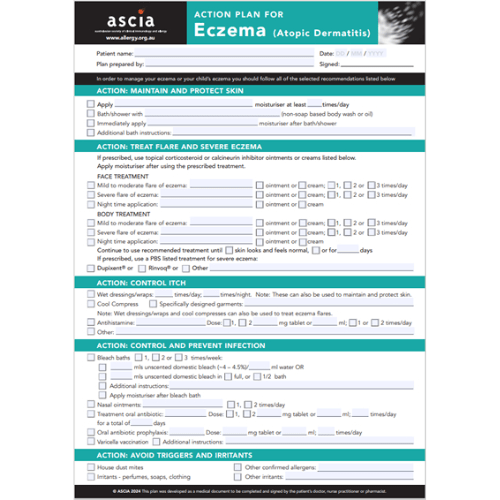
ASCIA Action Plan for Eczema (Atopic Dermatitis)
The ASCIA Action Plan for Eczema outlines how to:
- best look after and protect your skin
- treat a flare-up
- control and prevent infection
- avoid triggers and things that irritate your skin.
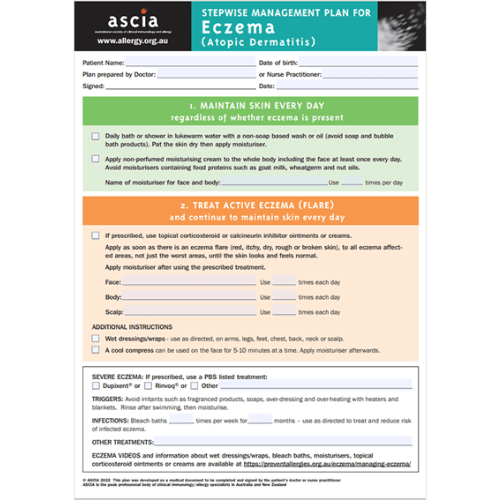
ASCIA Stepwise Management Plan for Eczema
The ASCIA Stepwise Management Plan for Eczema is a simple version which outlines:
- what to do for your skin everyday
- what to do it your eczema flares
This plan can be used if preferred or when a child is attending childcare or school.
Bathing
It’s best to take short (5 minute) warm (not hot) baths or showers once daily, preferably in the evening using a non-soap based wash or oil. Always avoid soap or bubble bath.
Gently remove any eczema crusts while in the bath or shower, as it will help the steroid cream/ointment you apply after bathing work more effectively.
If shampooing your hair, use a product that is made for people with sensitive skin to avoid irritation.
When you finish your bath/shower, pat yourself dry with a soft, clean towel and apply steroid cream first (if using) and then moisturiser, as recommended by your doctor or nurse practitioner.
Moisturising
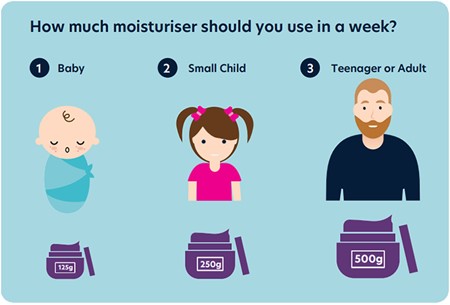
Moisturising the skin reduces water loss, improves dryness, decreases itch and protects the skin from things that can make eczema worse such as pollen, dust mites, sand and wind.
It is important to moisturise regularly (twice daily or more often if the skin is dry) and in adequate amounts. The best time to apply is straight after bathing while the skin is still damp, as this is when it will be best absorbed by the skin. If you are also using a steroid cream, apply the steroid cream first and then the moisturiser.
Apply moisturiser to the whole body and face, even if no eczema is present. Apply in a downward direction (the direction the little hairs grow on your skin) and be careful not to miss anywhere like behind the ears, ankles, feet and eyelids. Remember to include the areas where you don’t usually have eczema. The skin is one organ so you need to moisturise all your skin.
What Moisturiser to Use?
It is best to use creams and ointments as they are thicker and last longer than lotions. Lotions are water based and thin, so they won’t keep your skin moist for as long as creams and ointments and may also cause stinging if skin is already red and itchy.
Do not use moisturisers that contain common allergy causing foods such as cow’s milk, goat’s milk, oats and nut oils as they may lead to the development of food allergies in babies, children and sometimes even adults. Plant extracts such as lavender and tea tree oil may irritate the skin so avoid them also. Read more here.
Topical Steroid Creams & Ointments
Topical steroid creams and ointments are commonly used to treat eczema flares to help control inflammation (redness) and the itch.
You should use your prescribed topical steroid cream/ointment as soon as there is any sign of an eczema flare (such as redness, itch, rough skin) and continue until the eczema has cleared (that is when your skin feels smooth and is no longer itchy).
Treating the eczema early and following advice from your doctor/nurse practitioner will help stop the eczema getting worse or becoming infected.
You will still need to apply moisturiser when using topical steroids. Apply the moisturiser after applying the topical steroid. Remember that when the eczema flare has resolved, you still need to use moisturiser every day to maintain and protect the skin.
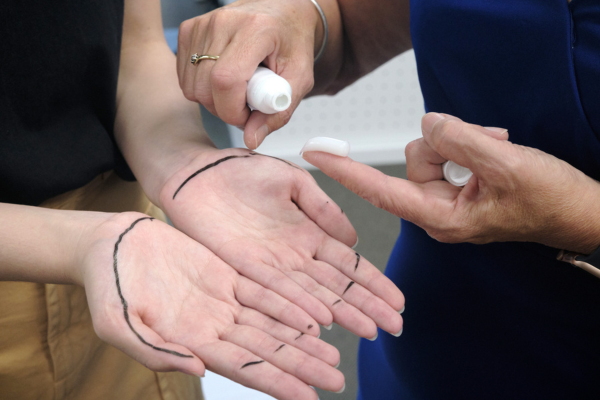
Finger Tip Unit: the amount of steroid cream/ointment on the fingertip is the amount of steroid/ointment used for a red and/or inflamed area of eczema measuring the size of two adult open hands.
Many patients are concerned about potential side effects of using steroid creams/ointments to treat their eczema, and as a result may be undertreating their eczema flares. As a guide, one fingertip unit is the amount of ointment from the bend in the finger to the fingertip, which will cover an area equal to two adult hands.
Topical steroids are an essential part of management, and when used correctly under supervision are very safe in the long term. It is important to use enough topical steroid (most patients do not use enough steroid cream.)
It is important to see your allergy specialist/dermatologist/eczema nurse practitioner/GP regularly so that you have a treatment plan, and access to the latest management advice and treatment options available.
Act fast
Using steroid cream/ointment at the first sign of itchy/red skin can help to bring it under control quickly, meaning you will need to use the steroid cream/ointment for a shorter period of time. Waiting until the eczema is severe, or uncontrolled, will mean using the steroid cream/ointment for longer to try and control the redness and itch.
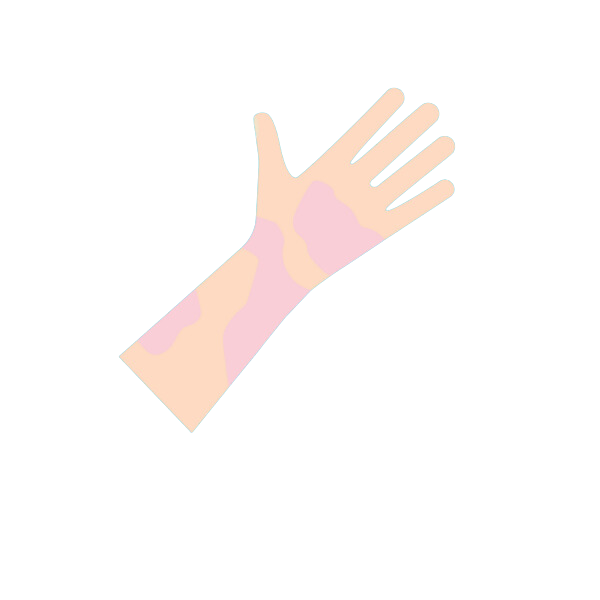
The Scratch & Itch Cycle
When the skin is dry and not well moisturised, it becomes more open to allergens and irritants, which can trigger the skin to release chemicals that make it itchy. Scratching itchy skin causes more chemicals to be released, making it even more itchy. If eczema is well managed, this cycle is slowed down and skin is less itchy.
You should seek help about your eczema when:
- You do not know how to treat your eczema
- You are following your eczema treatment plan but your eczema is not improving or getting worse
- If there are changes in your eczema. For example, it is painful, weeping, the skin around is redder than usual, there is pus
- You have concerns or questions about your treatment plan
- If your eczema is impacting other aspects of your life. For example, your mental health, sleep, relationships, access to childcare
What happens if my eczema is severe?
People with eczema that is difficult to manage or control or eczema that is moderate or severe, should work out a treatment plan with their allergy specialist or dermatologist.
There are new treatments being developed and approved regularly so it is important to keep in touch with your allergy specialist or dermatologist if your eczema does not improve.
There are more complicated treatments (involving the immune system) available for the small number of people who have severe dermatitis not controlled by topical therapy. This must be prescribed and supervised by a specialist.
In recent years, successful and affordable treatments for severe eczema have been approved and placed on the Pharmaceutical Benefits Scheme in Australia. These treatments are for people with severe eczema aged over 12 years.
What is an eczema (atopic dermatitis) flare?
Eczema flares happen when eczema suddenly gets worse.
Flares are commonly triggered by a wide range of things that irritate the skin, but sometimes flares happen for no obvious reason.
It is important to keep moisturising your skin, following your management routine and doing what you can to help prevent a flare.
Managing eczema flares
Skin damage can be prevented by applying creams or ointments prescribed by your doctor as soon as redness and/or itching occurs and ongoing moisturising of your skin. Not using enough of the treatments can cause skin damage due to itching, which can lead to scarring.
There are a few other options to help control flares, such as baths with a small amount of bleach in them (bleach baths) and wet dressings.
Watered-down bleach baths
Bleach baths are an effective and safe way for babies, children and adults to stop skin with eczema from getting infected. The amount of bleach in a bleach bath is like the amount of chlorine in a swimming pool. Bleach baths are usually recommended for people who have repeated infected eczema.
Tips
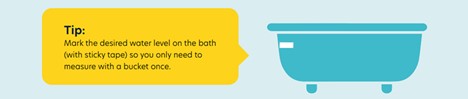
- Mark the desired water level on the bath (with sticky tape) so you only need to measure with a bucket once
The below pictures are of babies having watered-down bleach baths, but can be used as a treatment for children and adults with ezcema too.
- Wash and dry your hands
2. Using a 10-litre bucket, fill bath to the level you usually have it
3. Add 12mls of unscented (plain, not with lemon, etc) household White King bleach per 10L of bath water
4. Wash yourself/your child in bath including face but be careful not to get the water in the eyes
5. Gently clean any eczema sores and remove crusts
6. Once clean, get out of the bath without rinsing. Gently pat dry with a soft, clean towel
7. Apply steroid cream/ointment and moisturiser as directed by your doctor or nurse practitioner
The above pictures have been shared with permission from the National Allergy Council.
Wet dressings
Wet dressings help to keep moisture in the skin and reduce the itch
Leave wet dressings on for the time specified by your doctor/nurse practitioner. This can be for 20 minutes, a few hours, or sometimes overnight. Follow the advice of your doctor/nurse practitioner.
Do not leave a wet dressing on all day as it can dry the skin.
The below pictures are of babies having wet dressings, but can be used as a treatment for children and adults with ezcema too.
1.Before you start, wash and dry your hands.
2. Half fill a large mixing bowl with slightly warm water
3. Add 1 pair of cotton pants/leggings and 1 long-sleeved cotton t-shirt to the bowl.
4. As advised, apply topical steroid cream/ointment to all areas with eczema
5. You may also be advised to apply moisturiser under the
wet dressings. If this is the case, apply the moisturiser to the whole body and face.
6. Put wet clothing (the wet dressing) on
7. Then put dry clothing over the wet clothing
8. When you remove the wet dressings, apply moisturiser to the whole body and face again.
The above pictures have been shared with permission from the National Allergy Council.
Eczema control over summer

Some people find that hot weather can make their eczema (atopic dermatitis) worse.
We have put together some tips to help manage your eczema in the warmer weather:
- keep your moisturiser in the fridge for use on hot days
- avoid excess exposure to sand which can irritate the skin
- some people find that swimming in the ocean or a chlorine pool can help their eczema; for others, it can make it worse—remember to rinse off with fresh water and moisturise after swimming
- some people find that saltwater stings their eczema, so try putting a thick layer of moisturiser on your skin before you swim to help decrease the stinging
- dress in cool cotton clothes
- keep as cool as possible as sweat can worsen some people’s eczema.
Related information
Read more about eczema
Find out about triggers, daily management and treatment options.