
What is allergic rhinitis?
Allergic rhinitis is a common condition that can range from being quite minor to something that can affect your quality of life. The good news is that by having a management plan in place, symptoms and discomfort can be significantly reduced.
Allergic rhinitis is one of the most common allergic conditions, affecting one in five people in Australia. It affects 1 in 5 adults, 1 in 10 teenagers and an estimated 1 in 20 young children.
Despite its common name, it is not caused by hay and does not result in fever.
Allergic rhinitis is caused by allergens in the environment such as pollens (grasses, weeds or trees), dust mites, moulds and animal dander (flakes of skin, animal fur, hair or feathers) coming into contact with the nose and/or eyes.
The above animation has been shared with permission from the National Allergy Council.
The body’s immune system reacts to these common allergens which for most people are harmless. The immune system’s response causes symptoms.
Common symptoms include
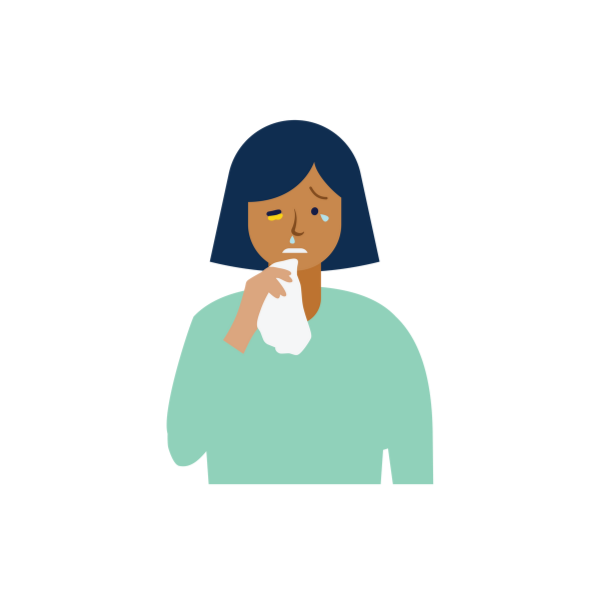
- Runny nose
- Itchy nose
- Sneezing
- Itchy and watery eyes
- Blocked nose and snoring
- Some people need to clear their throat often because mucus can run from their sinuses to the back of the throat.
Poorly treated or untreated allergic rhinitis can lead to:
- Trouble sleeping
- Daytime tiredness
- Headaches
- Poor concentration
- Frequent ear or sinus infections
- Asthma which can be more difficult to control
Allergic rhinitis and allergic asthma link
About 75% of people with asthma also have allergic rhinitis (hay fever), and about 25% of people with allergic rhinitis also have allergic asthma.
Allergens such as pollen can trigger asthma as well as allergic rhinitis symptoms. Many people with allergic rhinitis due to grass pollen allergy can get allergic asthma in spring and summer when they also have allergic rhinitis.
Better control of allergic rhinitis results in better asthma control in both adults and children. Untreated allergic rhinitis may also increase the risk of developing allergic asthma.
If you have allergic rhinitis and asthma, it is important to have both an ASCIA Allergic Rhinitis Treatment Plan and an Asthma Plan.
Common causes of allergic rhinitis
The causes depend on when you get the symptoms
Seasonal Allergic Rhinitis: If symptoms occur only in spring and summer, this is called seasonal allergic rhinitis, and the cause is usually pollen. There are many different types of pollen such as grasses, weeds and flowering plants like wattle. Your doctor can often work out which pollen causes your allergic rhinitis.
Perennial Allergic Rhinitis: If symptoms occur all year round, this is called perennial allergic rhinitis, which is caused by allergens that are continually present such as dust mites, mould or animal dander.
Allergy testing and diagnosis of allergic rhinitis and conjunctivitis
Your doctor will confirm the diagnosis of allergic rhinitis and/or conjunctivitis based on your symptoms, test results and what they see when they look into your nose and at your eyes. A skin prick test and/or blood test results will help work out specific allergen triggers that affect you. For more information about allergy testing and diagnosis click here.
More about allergic rhinitis
Webinars
FAQs
-
Symptoms of a viral illness can be similar to the symptoms of allergic rhinitis (congestion or runny nose) and asthma (cough, difficulty breathing and shortness of breath). Managing allergic rhinitis and asthma by using medications prescribed or suggested by your doctor can help you stay at work or children stay at school/childcare rather than being sent home due to unknown viral illness symptoms.
We advise:
- Seeing your GP, allergy specialist or respiratory specialist so that you can be sure you are on the most appropriate and up-to-date preventer and reliever treatment for allergic rhinitis and asthma symptoms. Allergen immunotherapy may be an option to help treat pollen and dust mite allergy.
- Continuing your current allergy treatments to minimise your symptoms. You should also consider talking with your GP about having an effective treatment plan (which may include immunotherapy) for your seasonal allergies and/or asthma before spring. If you have allergic rhinitis all year round, any time is a good time to discuss ongoing treatment and the possibility of allergen immunotherapy with your GP.
- Doing a rapid antigen test that can test for several viruses (not only COVID-19) if you have any symptoms of a viral illness (even if you suspect it’s just your first allergic rhinitis symptoms of the season).
- Consider making an appointment to see your GP if your rapid antigen test results are negative, and you continue to have symptoms even though you are using the medication prescribed by your doctor.
Remember: A negative rapid antigen test might be helpful to reassure yourself, colleagues and teachers that you or your child are not infectious or contagious.
-
When symptoms are long-term, allergic rhinitis may be associated with complications such as snoring, chronic tiredness, ear and sinus infections.
-
Allergic rhinitis is considered severe if your symptoms lead to you having one or more of the following:
- Disturbed sleep leading to daytime drowsiness
- Frequent waking due to breathing symptoms
- Restricted daily activities, sport or leisure
- Abnormal work and school performance
If symptoms are ongoing or difficult to control, even when taking medication, your doctor may refer you to an allergy specialist for management. You can also request a referral. Your specialist will review your symptoms and treatment and may discuss long term treatment known as allergen immunotherapy.
Symptoms may be regarded as mild when there is no disturbance in sleep, leisure, school or work activities.
-
If you have allergic rhinitis due to rye grass allergy, you are at risk of thunderstorm asthma, whether you have experienced asthma before or not.
-
Some people can be desensitised to some allergens including a variety of pollens and dust mite. This is also known as immunotherapy. Discuss desensitisation with your general practitioner who may then refer you to an allergy specialist.
-
Allergens in the environment include mould, plants (pollens), animals (saliva, pet hair and dander), cockroaches and dust mite.
Smoke and other irritants such as exhaust and strong chemical smells can also trigger allergic reactions.
Read about allergic conjunctivitis
Find out about allergic conjunctivitis, how to manage and more.
Read about chronic rhinosinusitis
Find out about chronic rhinosinusitis, how to manage and more.