Updated September 2024
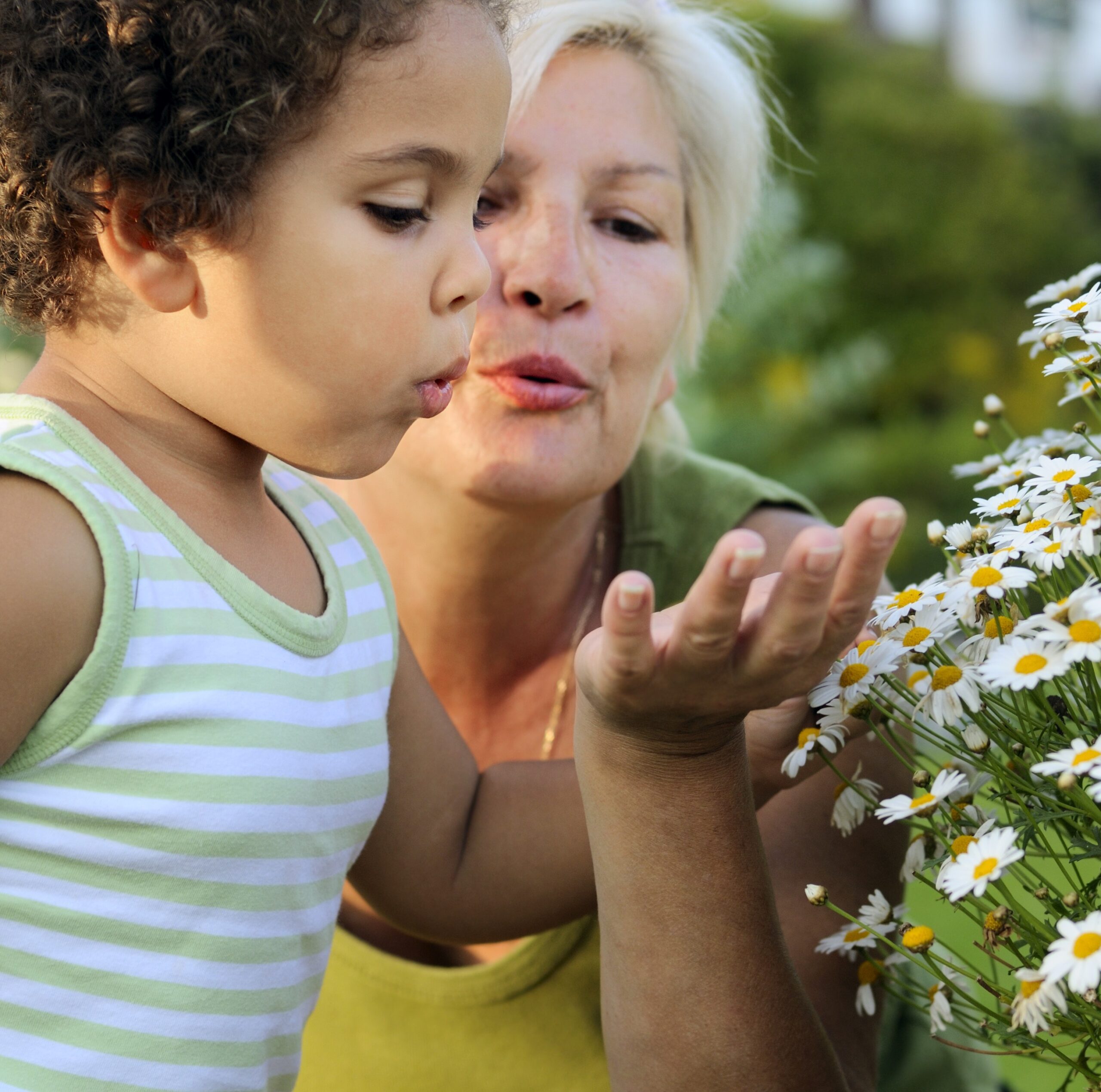
Pollen can cause allergic rhinitis (hay fever)
Allergic rhinitis is one of the most common allergic conditions, affecting one in five people in Australia. Despite its common name, it is not caused by hay and does not result in fever.
Allergic rhinitis is caused by the nose and/or eyes coming into contact with allergens in the environment, including pollens (grasses, weeds or trees).
The body’s immune system reacts to the allergen – which for most people is harmless – and causes symptoms.
For people who are allergic, ongoing exposure to pollens can also cause allergic conjunctivitis.
Reducing pollen exposure
- Stay indoors whenever possible, particularly in the pollen season and on windy days
- Avoid going out just before, during or just after a thunderstorm, particularly in spring and summer
- When outside, wear sunglasses
- Shower (including washing hair) when you arrive home after being exposed to high pollen outside
- Rinse your eyes with water when needed
- Do not mow grass and stay inside when it is being mown. If mowing is unavoidable, wear a mask and consider taking a non-drowsy antihistamine
- Keep windows closed at home and in the car. Use recirculating air conditioning in the car
- Do not picnic during the pollen season
- Try to plan holidays out of the pollen season, or holiday at the seaside
- If landscaping at home, research which plants are less likely to trigger allergic rhinitis. If you are sensitive to plants in your garden, consider replacing them with others that don’t trigger allergic symptoms
- Dry bedding and clothing indoors, or in a tumble dryer
Check the pollen count each day at the AusPollen website or download their app.