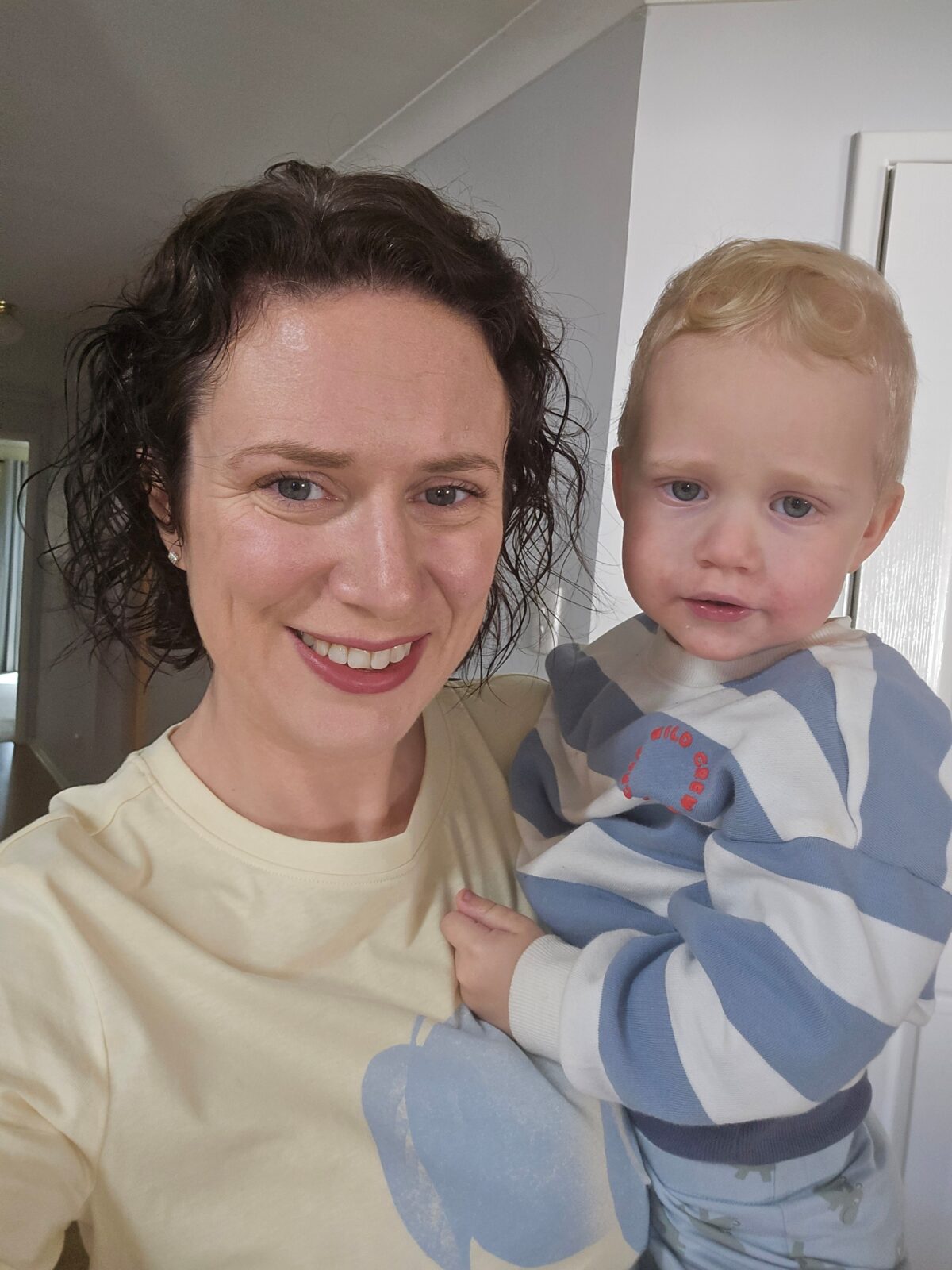
Toddler Noah’s life-threatening nut allergies pose a particular challenge in his country town
A bite of his usual peanut butter toast triggered one-year-old Noah’s first anaphylaxis. Sitting at the table with his three older siblings in regional Western Australia, the gregarious toddler had been gobbling up his breakfast when the first of his symptoms attracted attention.
“I was getting dressed when the kids started calling out ‘Mum, there’s something wrong with Noah, his face looks funny’,” recalls mum Lisa. “My husband and I recognised it straightaway as some kind of allergic reaction.”
Noah had no history of allergies and had eaten peanut butter many times before. With his face swelling up before their eyes, his parents bundled him up into the car and drove to the nearest hospital, which was only a few minutes away but, as in many small country towns like theirs, was staffed only by nurses and had no doctors on duty. A&AA note: always call triple zero (000) for an ambulance.
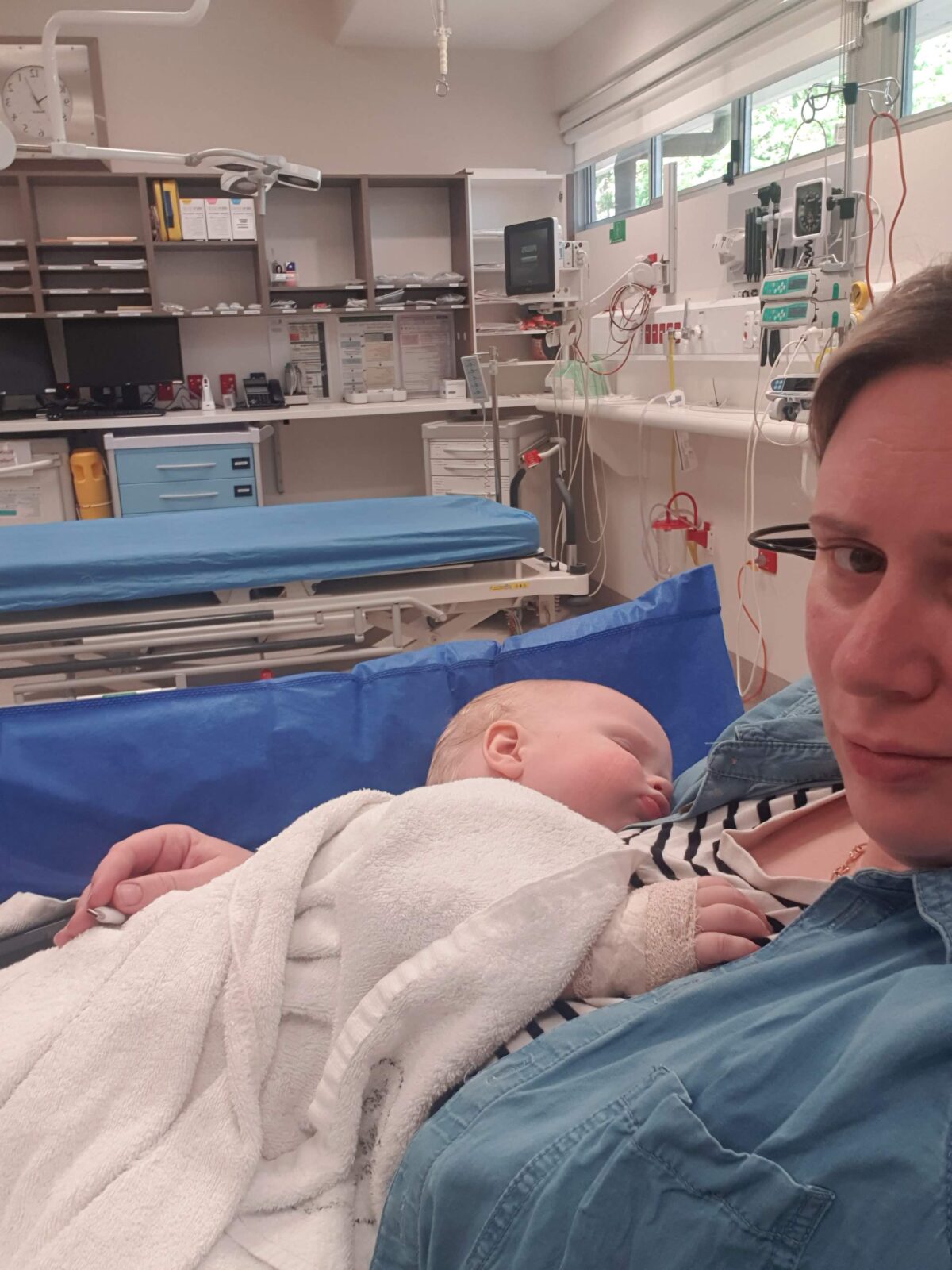
By the time they reached the hospital Noah was struggling to breathe and vomiting. “It was intense and scary; I was just going moment by moment,” Lisa recalls. Hospital staff administered adrenaline and thankfully, Noah’s symptoms settled. After a few hours sleeping peacefully, he was discharged.
“It wasn’t until afterwards that I really reflected on what happened and realised he could have died”
– Lisa
Fortuitously, Noah was already booked in to see an allergy specialist the following week to investigate gastrointestinal issues. “We’re so thankful for that timing because if we hadn’t had the appointment so soon, we would have waited months,” says Lisa. A skin prick test confirmed Noah’s allergy to peanuts and some tree nuts, and from that day on his life – and the family’s – was forever altered.
Since that fateful bite of peanut butter toast, Noah has experienced just one severe allergic reaction after eating a bowl of chickpea-based cereal that Lisa suspects was cross-contaminated with peanuts. Noah developed respiratory signs of anaphylaxis in what was another terrifying experience for them all.
Now, rather than rely on packaged foods, Lisa has chosen to make most of the family’s snacks from scratch and has stopped buying products labelled “may contain peanuts”. She makes her own nut butters out of the nuts Noah isn’t allergic to and says a polite no when offered home-cooked foods from friends’ kitchens where nuts may have been present.
Where they once took great pleasure in laying the table with big spreads and encouraging the kids to try a bit of everything, they now pack Noah a McDonalds Happy Meal if they go to a restaurant to eat. “It’s been really hard that he hasn’t been able to join in,” Lisa admits.
Like so many parents of children with allergy, Lisa is astounded by the lack of education she received compared to other diseases. “When I had gestational diabetes there was so much information – there were classes and workshops and I was taught how to inject the insulin and do all these things,” she recalls. “But with Noah’s allergy, we were left to work it out for ourselves.”
Lisa took a proactive approach: she signed up to Allergy & Anaphylaxis Australia’s newsletter and called our National Allergy Helpline for guidance between specialist appointments. With that first harrowing experience of anaphylaxis behind them, she and her husband now know to lie Noah down should it happen again, administer adrenaline and call the ambulance rather than drive him to hospital themselves.
Lisa would love to see advertising campaigns rolled out across the country to raise awareness of the seriousness of allergic disease. She has become accustomed to having Noah’s condition dismissed as an intolerance or personal preference by people who don’t understand the difference. It’s a dangerous lack of distinction that puts little boys like Noah’s lives at risk.
“One of my biggest peeves is that there’s no proper legislation for food packaging, it really bothers me”
– Lisa
Lisa fears the challenges that will come as Noah gets older and navigates the world of allergy himself. “He’s my wildest child and already a risk-taker, so I dread him out there on his own,” she shares.
She wishes there was clearer legislation around when products might be contaminated with an allergen so they could more easily make informed decisions about whether foods were safe for him to eat. Having a voluntary statement about possible contamination during food production only makes it more difficult because even products without a voluntary statement might pose risk.
Noah is currently on a waitlist for a tree nut challenge after testing indicated he may be growing out of that particular allergy. “It would be a huge blessing,” Lisa shares. “I’d love to be able to go and buy cashew butter at the shops, or almond butter, just to have an option for him instead of having to make our own.”
To help families like Noah’s, Allergy & Anaphylaxis Australia continues to advocate for legislation in relation to precautionary allergen labelling statements and easily accessible online resources for consumers and health professionals across the country.
Share your story
Being diagnosed or living with allergies is challenging.
We are always grateful for people who take the time to share their stories with us so others don’t feel so alone.