
Updated September 2024
Dust mites can cause allergic rhinitis (hay fever)
Allergic rhinitis is one of the most common allergic conditions, affecting one in five people in Australia. Despite its common name, it is not caused by hay and does not result in fever.
Allergic rhinitis is caused by the nose and/or eyes coming into contact with allergens in the environment, including dust mites.
The body’s immune system reacts to the allergen – which for most people is harmless – and causes symptoms.
For people who are allergic, ongoing exposure to dust mites can also cause allergic conjunctivitis.
Reducing dust mite exposure
- Both dust mites themselves, as well as their droppings, can cause allergic reactions. You must reduce the number of dust mites in your home, and also remove the allergen they produce
- Wash sheets, pillowcases and other bedding weekly in hot water (more than 60ºC). This will kill dust mites and wash away the allergen they produce. If you cannot wash in hot water, use a commercial product containing tea tree or eucalyptus oils, which kills dust mites in cold water
- If washing normally, hot tumble drying items for ten minutes after they are dry will kill dust mites. Dry cleaning is not as effective – it will kill dust mites but won’t remove the droppings they produce
- Use dust mite resistant covers on mattresses, pillows and quilts. Wash these in hot water as recommended by the manufacturer
- Remove sheepskins and woollen underlays from the bedroom
- Remove soft toys from the bedroom if possible. Any soft toys that remain should be washed weekly using the same method used for sheets. (Freezing soft toys overnight kills dust mites, but it doesn’t remove their droppings)
- Dust weekly with a damp cloth
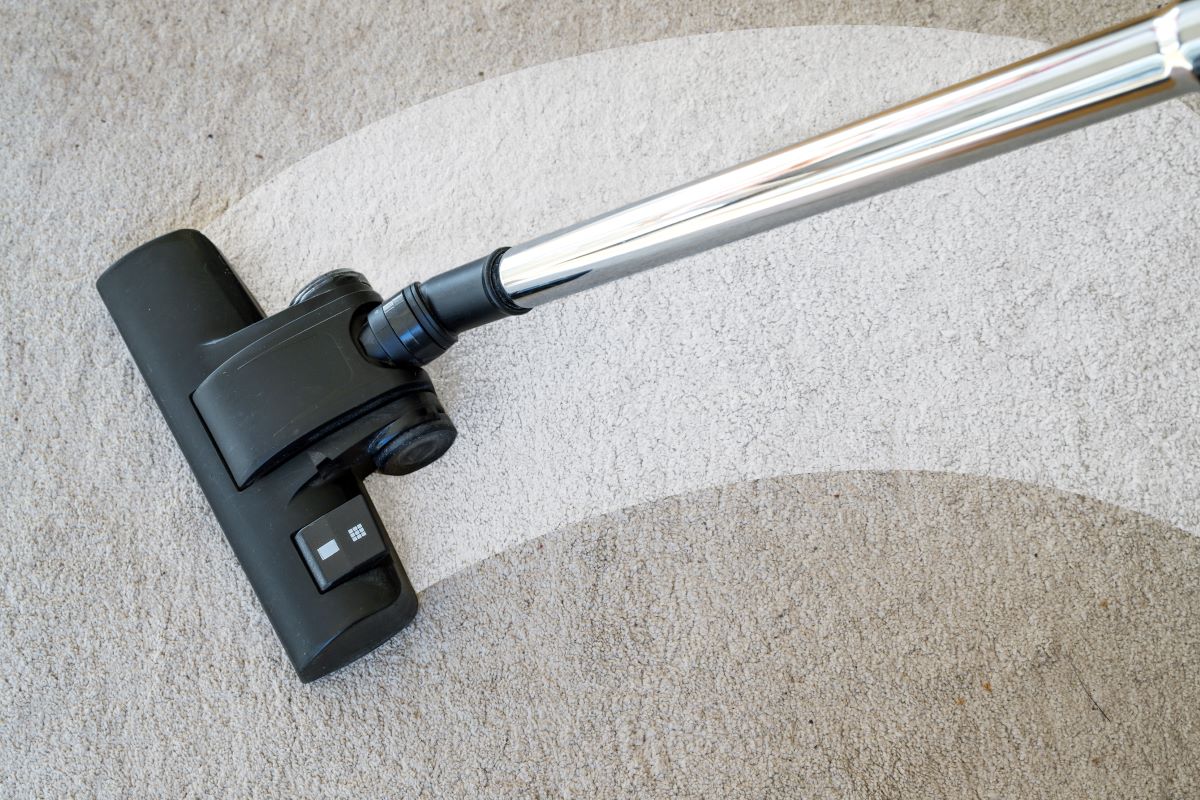
- Vacuum carpets weekly. Note that vacuuming increases the amount of dust mite allergen in the air for up to 20 minutes. Where possible, ask someone without allergic rhinitis to do the vacuuming and wait 20 minutes before re-entering the room. High efficiency particulate air (HEPA) filter vacuum cleaners may remove more allergen than other vacuum cleaners, however, they still temporarily increase the amount of dust mite allergen in the air
- Remove curtains from windows and replace with blinds or shutters that can be wiped clean
- Consider replacing carpets with hard floors such as floorboards or tiles
- Consider leather or vinyl lounges instead of cloth