“I saw an emergency lane and I didn’t think twice”
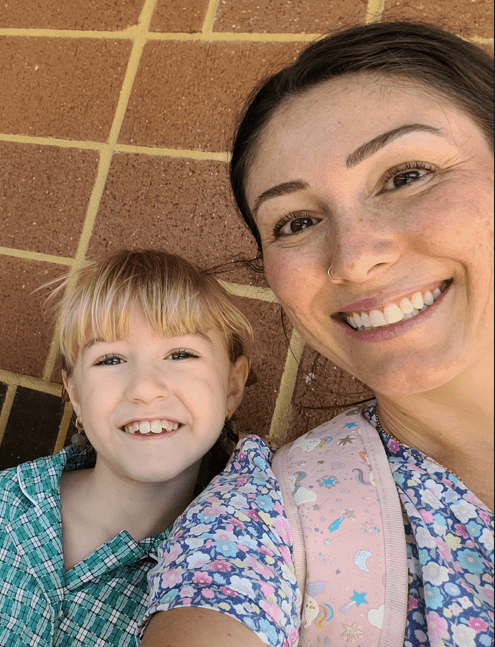
It was the last day of the school holidays when Jo, a paediatric dietitian and mum of two, wanted to give her eight-year-old daughter a special treat before the start of term. Considered at high risk of anaphylaxis to cow’s milk, her daughter, Olivia, had only rarely eaten food other than that cooked by her parents or grandmother, so the prospect of visiting a popular nearby bakery – which marketed themselves as dairy-free and allergy-friendly – was a very big deal.
“We only ever cook at home,” Jo explains. “We hardly ever eat out. At birthday parties we always take our own food.”
“It took me a long time to think, alright, maybe we will try this bakery. It seems pretty safe.”
Anaphylaxis on the road
When they arrived, Jo spoke with the baker directly to explain her daughter’s allergy and talk through the ingredients. He assured her his products were dairy-free and that he was in regular contact with the suppliers of each of his ingredients to check their allergen status.
“I told my daughter she could choose anything from the cabinet and she was stoked, she couldn’t believe it,” Jo recalls. Olivia chose a chocolate doughnut and raw chocolate bar – real treats for someone in her position – and they headed to the park.
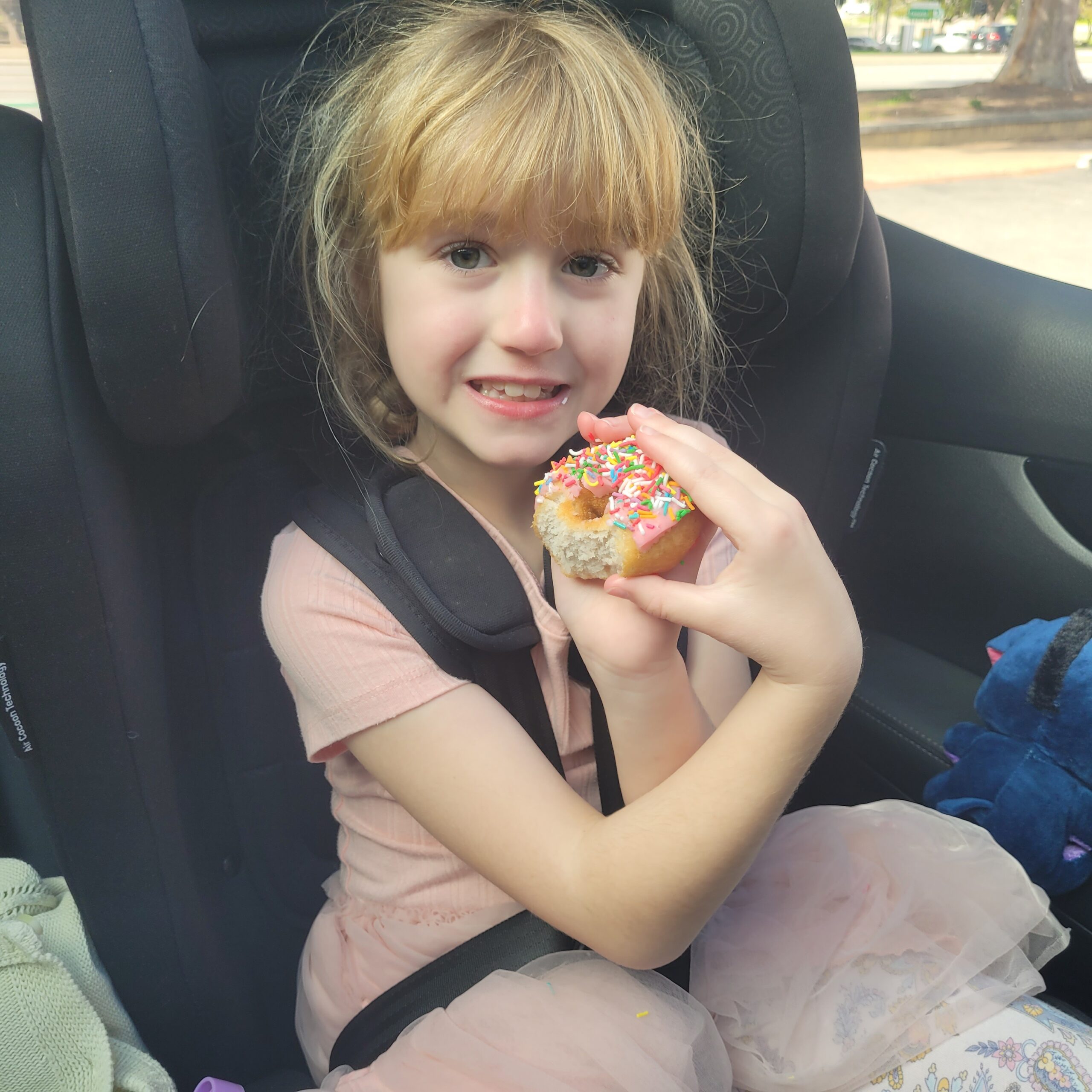
Five minutes after eating the chocolate bar, hives appeared around Olivia’s mouth. Because she insisted that she otherwise felt fine, Jo dismissed it as a contact reaction, which Olivia commonly experienced, and soon after they got in the car to head home.
It was then the situation escalated. Olivia started coughing but told her mother she’d just swallowed something the wrong way. As the cough worsened, Jo took action. “I saw an emergency lane on the freeway and I didn’t think twice,” she says. By then, Olivia was wheezing and Jo realised she needed to use her adrenaline device.
“She said, ‘Mum, am I going to die?’” Jo tells us. “Even thinking about it now, my heart just breaks.”
“But I said, ‘no, we have what we need right here to make you better. We know what we need to do.’”
Although Olivia hadn’t experienced anaphylaxis since she was three years old, the family was familiar with how her adrenaline device worked as they had training devices at home and routinely pulled them out to practice.
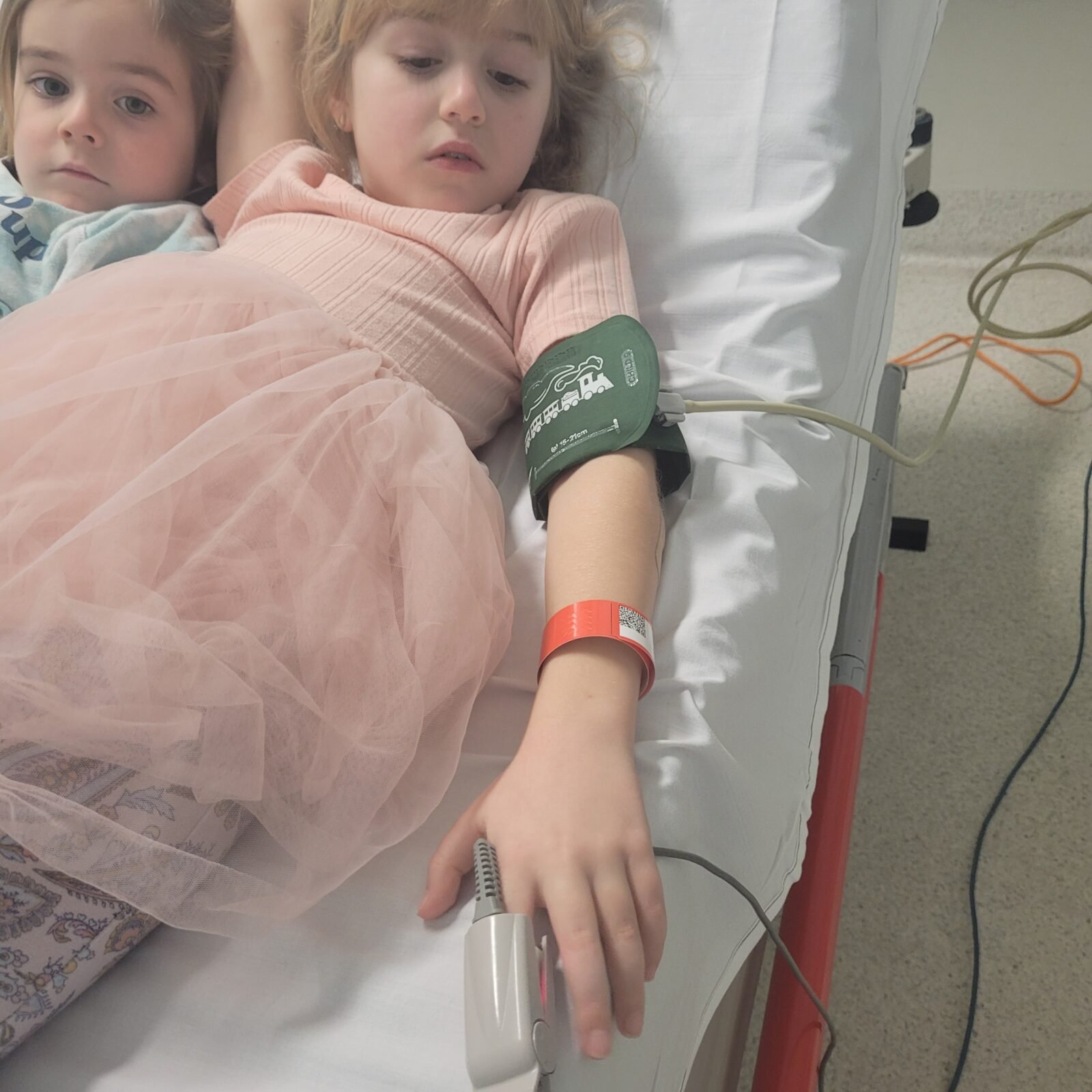
Jo and Olivia administered the adrenaline injector together, with Olivia holding the injector to her leg with her mum. “The coughing and wheezing immediately stopped and she was okay,” Jo says. They then drove for five minutes to the nearest hospital where Olivia was monitored, as per their ASCIA Action Plan. A&AA note: When someone is experiencing anaphylaxis, it is best practice to always call triple zero (000) for an ambulance rather than driving the person to hospital yourself. If you live in a rural or remote area, follow guidance from emergency services in that area.
Seeking support
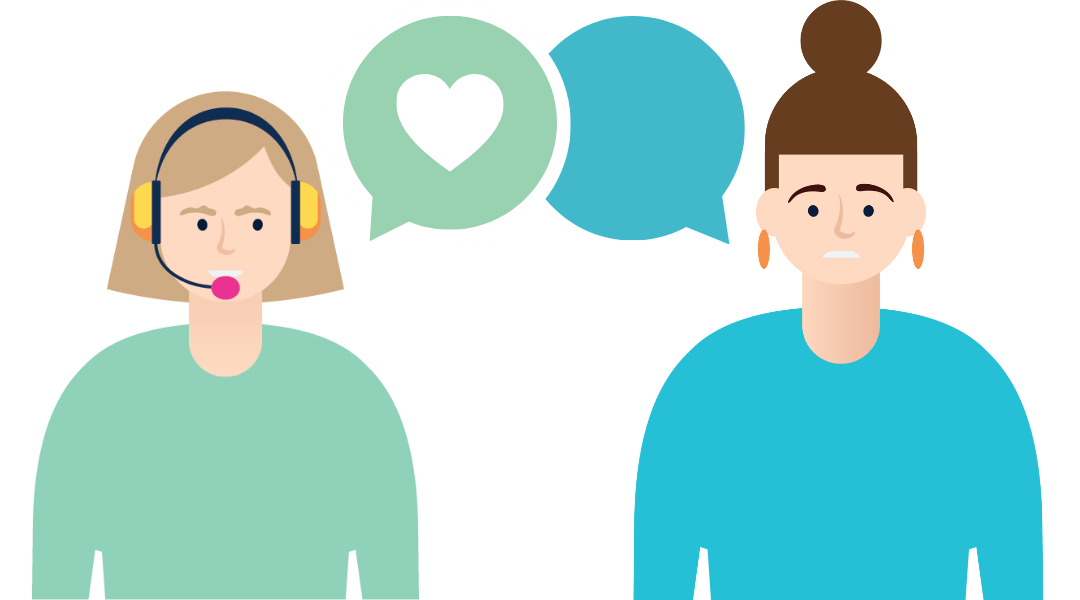
In the aftermath of her daughter’s anaphylaxis, Jo phoned our National Allergy Helpline to talk through the distressing experience.
“Just speaking to someone who understands made my heart feel a bit lighter,” she shares.
After our allergy educator directed her to the free resources page on our website, Jo ordered bookmarks for Olivia to hand out at school. “For her to hand them out to her classmates felt cathartic for both of us after her anaphylaxis – I thought maybe this is something that will help her in the future, or at least help her classmates and their parents understand food allergy better,” she says.
Jo also reached out to a local organisation to arrange counselling for her daughter to help her cope with the feelings of anxiety that are so common after anaphylaxis.
Cross-contaminated chocolate
The bakery investigated after Jo reported the incident and discovered that one of their suppliers had changed their manufacturing process without informing them. “The chocolate in the chocolate bar was something like 4 parts per million dairy present,” Jo says. “The bakery was actually amazing and have stopped using that supplier and now make their own chocolate in-house.”
Due diligence
As a paediatric dietitian, Jo has always taken a vigilant approach to managing Olivia’s allergies. She keeps a list of her safe foods and updates it regularly. “I always call companies to check their manufacturing processes before I give their food to my daughter,” she says. “I ask for it in writing and save it in a folder.” It’s a time-consuming task but one that gives Jo the freedom to make educated risk assessments for her daughter.
She also makes a point of checking labels every time they buy something packaged, even if it’s a product they purchase frequently. “We read the label again when we put in in the cupboard and again when she’s about to eat it,” Jo shares.
But she’s the first to acknowledge that having a health background doesn’t necessarily make dealing with her daughter’s allergy any easier. “With my own child, I felt like all my knowledge went out the window,” she says. “When Olivia was a baby I was so worried, and so emotionally involved.”
The allergy effect
The daily challenges of parenting a child with serious allergy can be hard for someone without lived experience to fully comprehend. “This is our whole life,” explains Jo. “It infiltrates everything. It infiltrates family celebrations. It infiltrates schooling. It infiltrates our weekend plans, our before school and after school care choices.”
“It’s not just us being picky, it is literally a matter of life and death. And if we don’t make the right decision, we’re directly putting our child in harm’s way. As much as it might feel like we’re putting other people out by asking questions or double-checking ingredients, we’re doing it because the outcome could be life-threatening if we don’t.”
Our 2025 Christmas Appeal aims to shine a light on the burden of allergic disease and bring new hope to families like Jo and Olivia. Allergy doesn’t take a holiday, but you can help lighten the load:
Share your story
Being diagnosed or living with allergies is challenging.
We are always grateful for people who take the time to share their stories with us so others don’t feel so alone.