People can be allergic to any food. More than 170 foods are known to have caused allergic reactions.
The foods that are known as common food allergens in Australia are: milk(dairy), egg, peanut, tree nuts (almond, Brazil nut, cashew, hazelnut, macadamia, pecan, pistachio, pine nut, walnut), sesame, soy, wheat, crustacean, mollusc, fish and lupin.
We call any other foods uncommon food allergens. Some examples include:
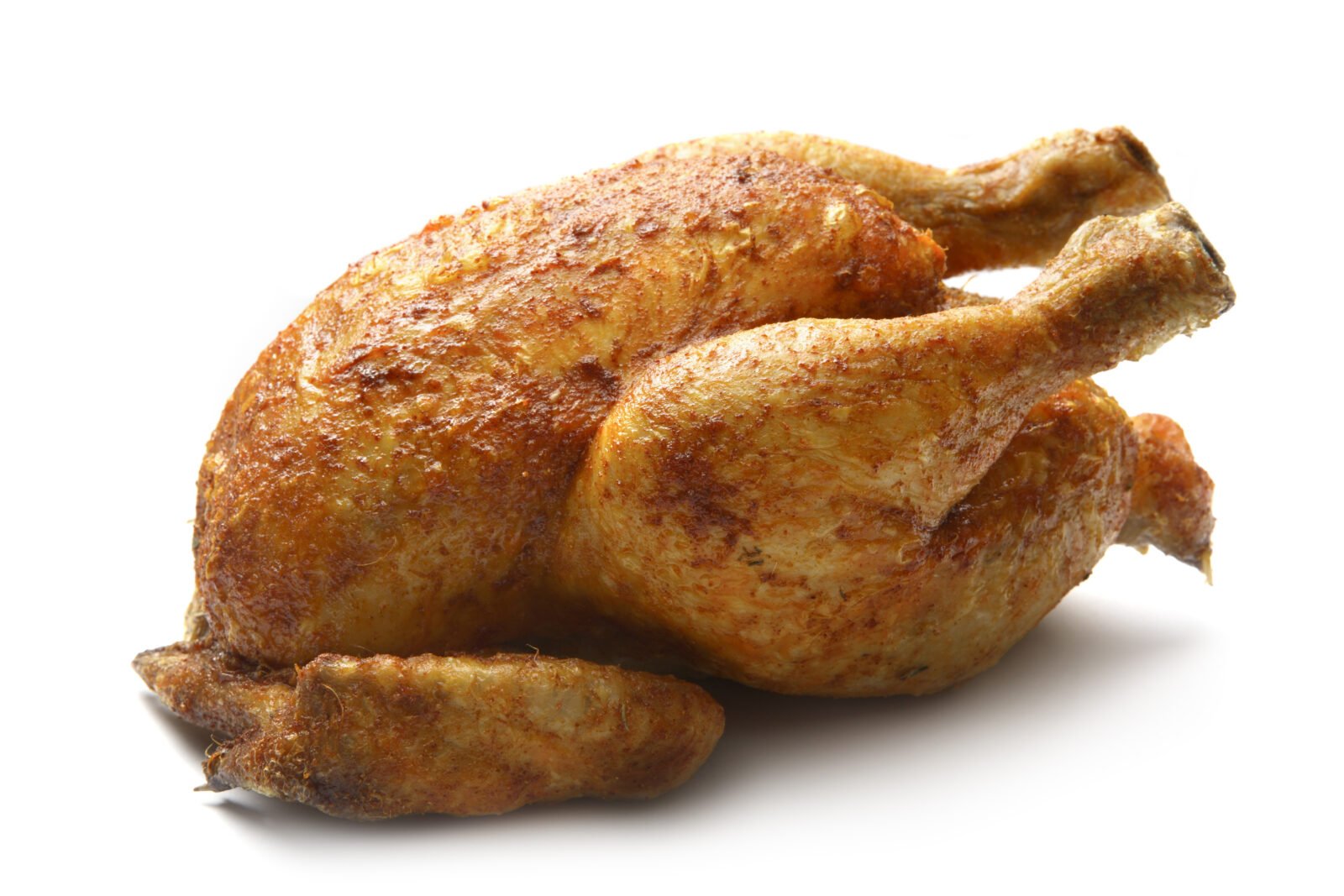
Chicken
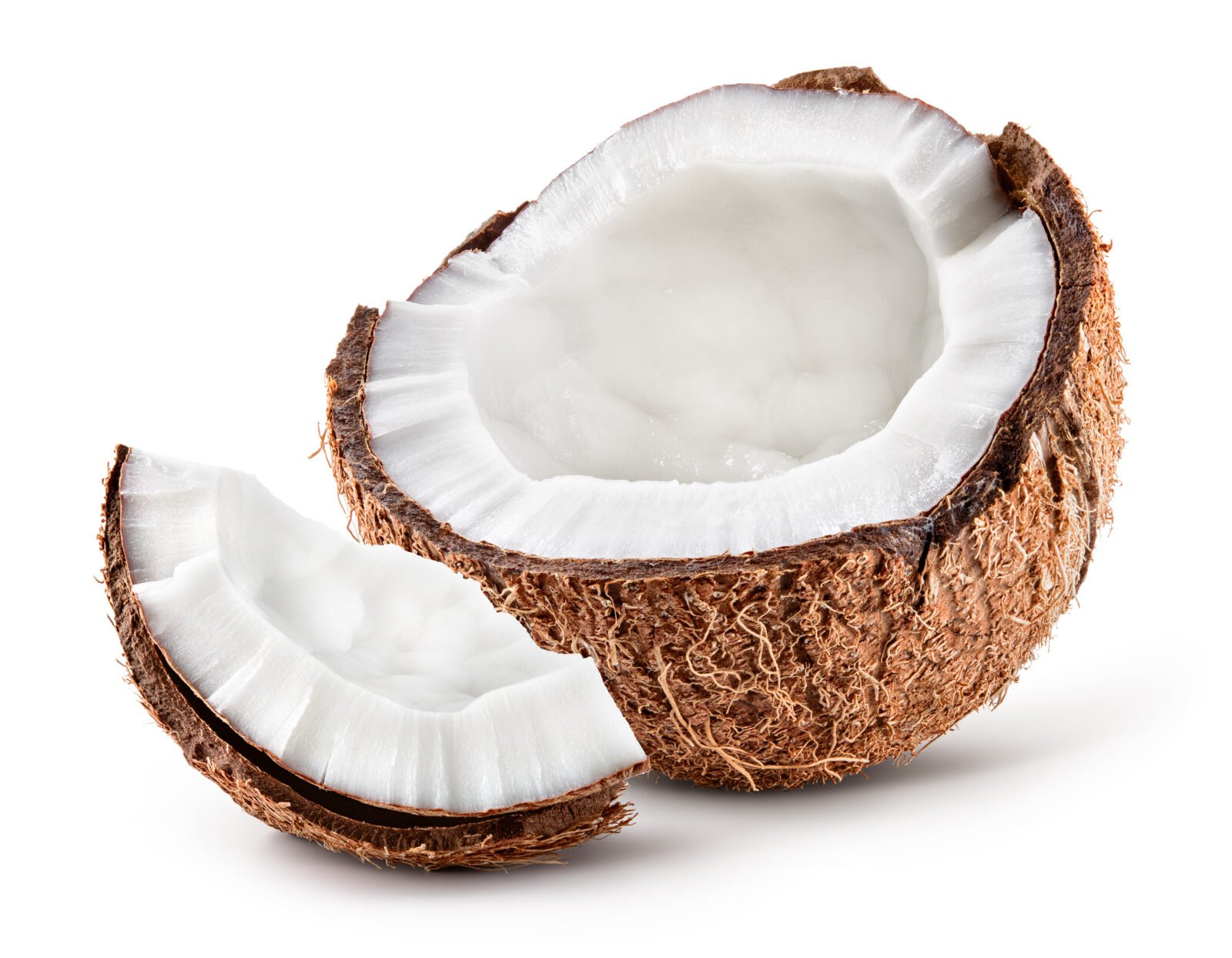
Coconut

Corn
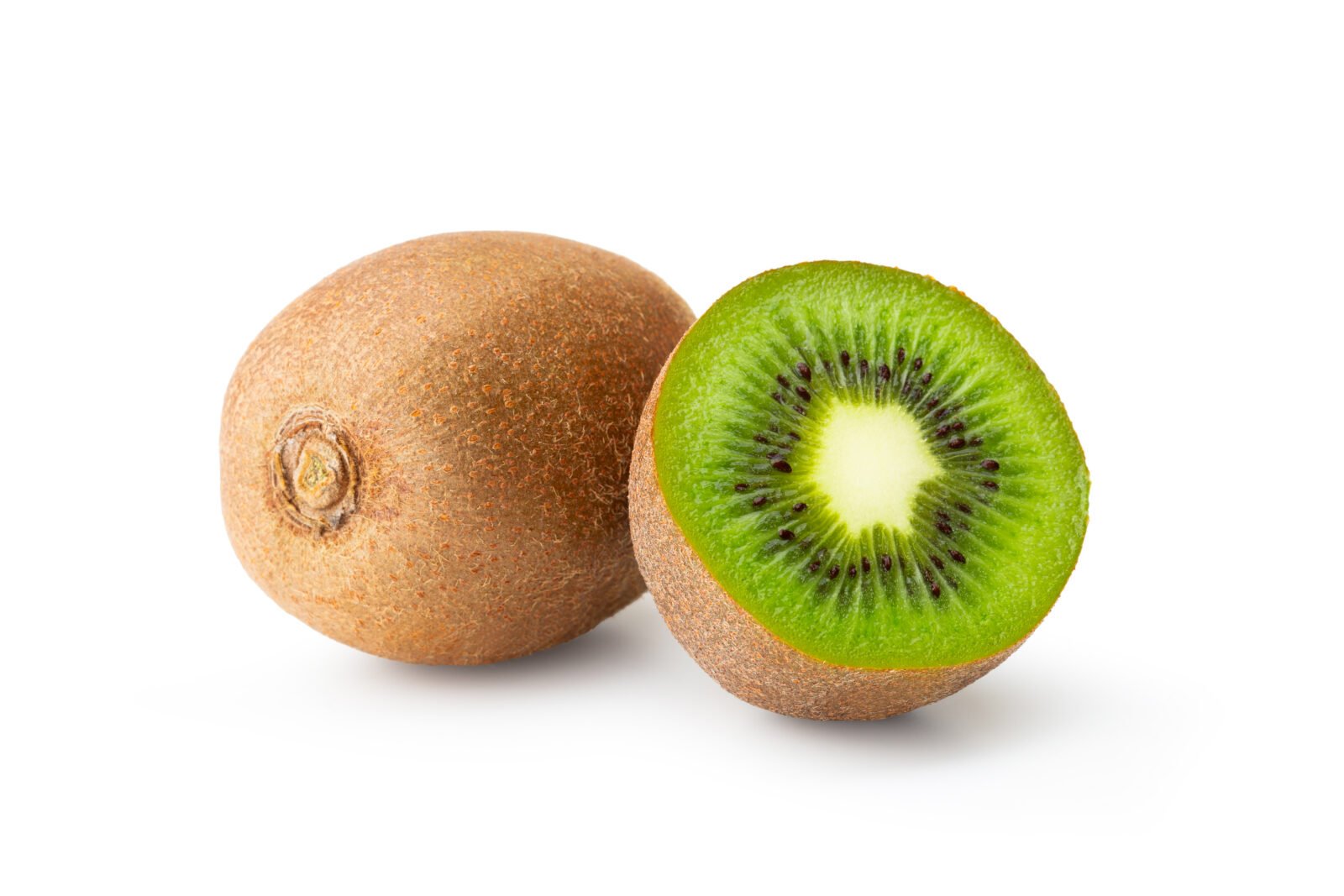
Kiwifruit
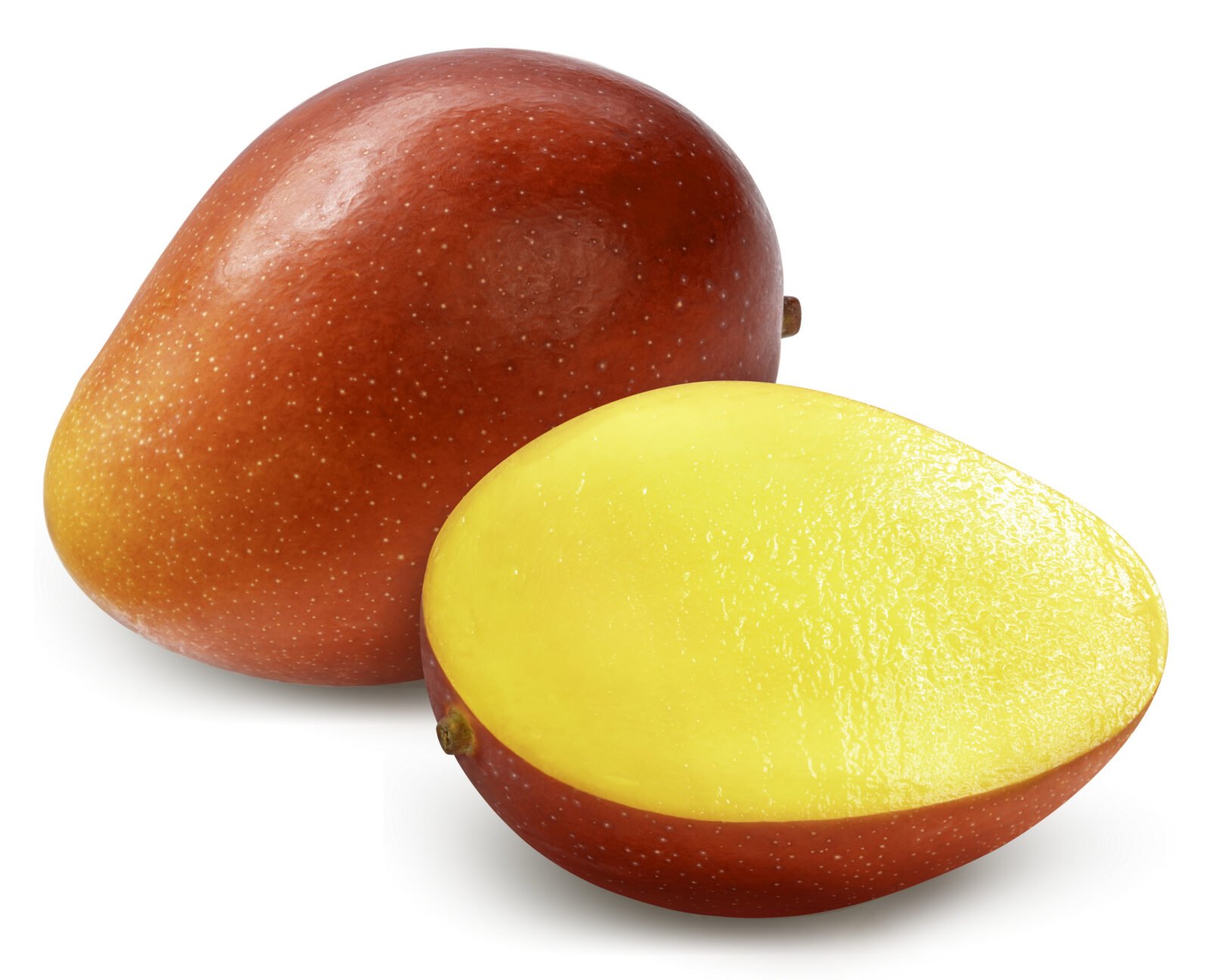
Mango
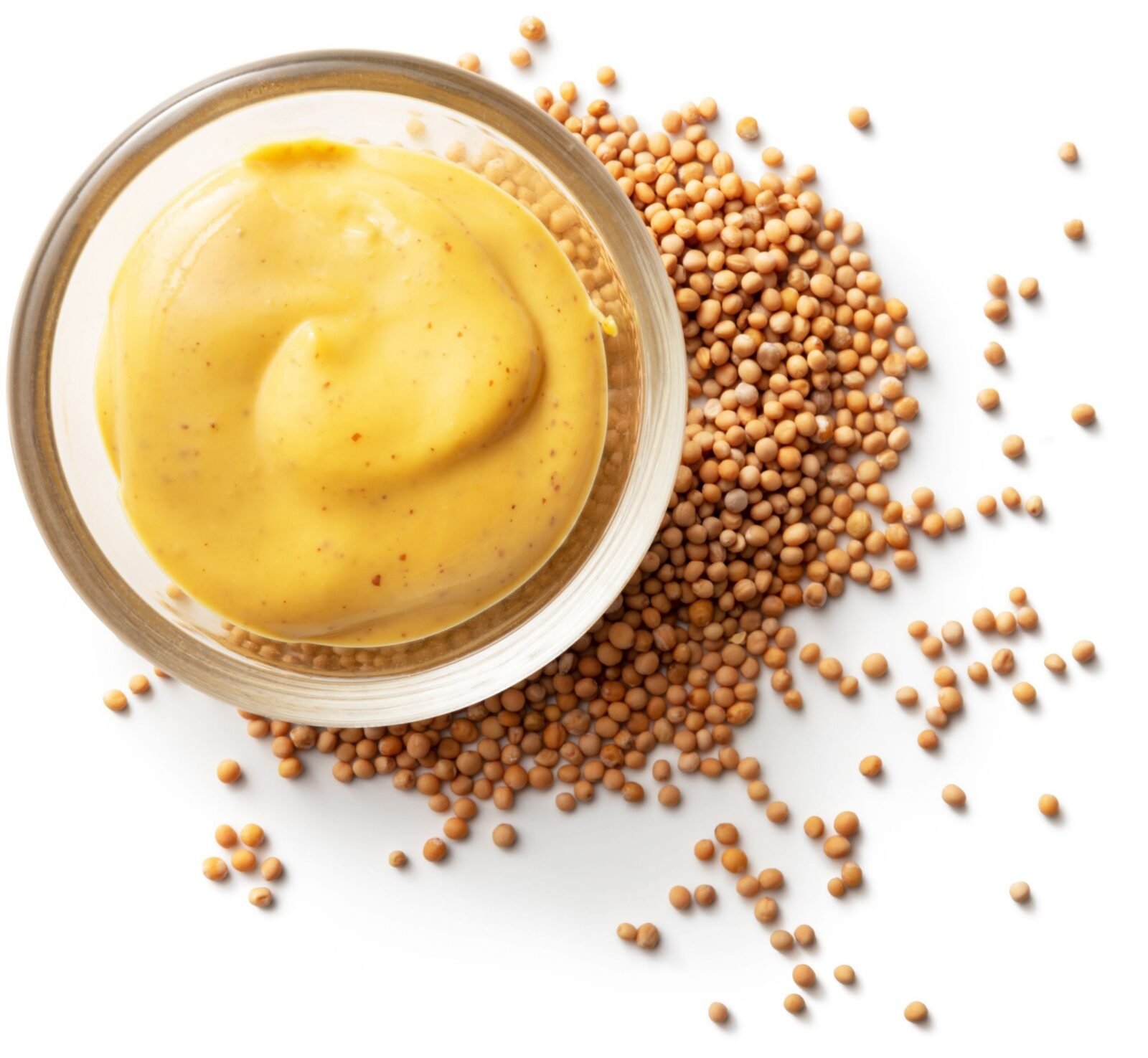
Mustard
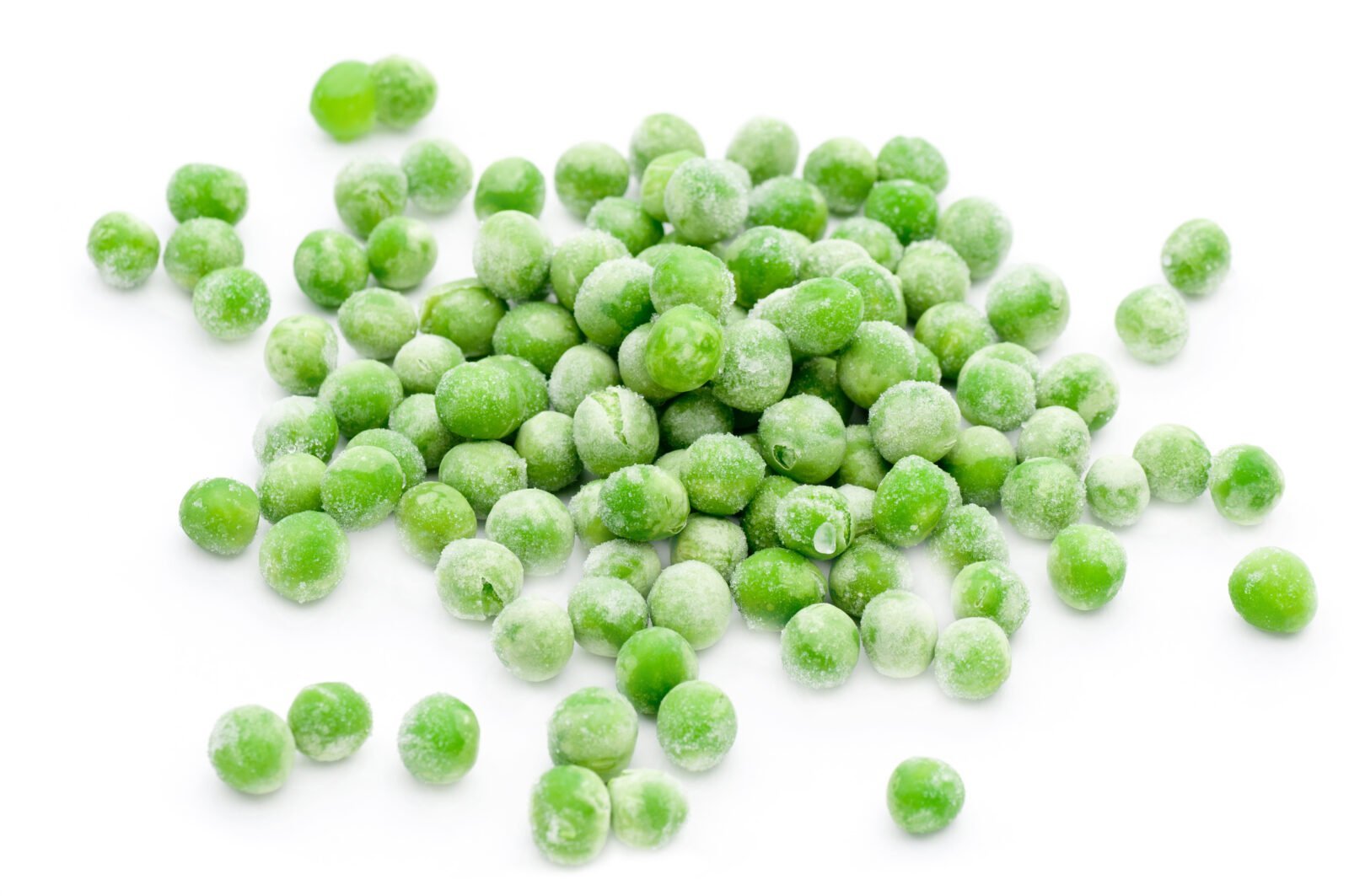
Peas
Managing uncommon food allergy
If you have an uncommon food allergy, it can sometimes be difficult to get the information you need to make decisions about safer food choices. There are differences in the labelling of uncommon food allergens on packaged food and the information that food service staff must tell you compared to common food allergens.
While it can be challenging to have an uncommon food allergy, there are steps you can take to help manage this.
Packaged foods – reading food labels
What do the laws say in Australia?
Food allergen labelling laws in Australia are set by Food Standards Australia New Zealand (FSANZ). This is called the Food Standards Code. The Code includes rules about what must be included on the label, the order of ingredients, common food allergens and how the information should be displayed.
In Australia, the Plain English Allergen Labelling (PEAL) laws state how and where common food allergens must be shown on packaged food and drinks.
If an uncommon food allergen is an ingredient used to make the product, it should be shown in the ingredient list, but it does not need to be in bold or included in the ‘’Contains’’ summary statement.
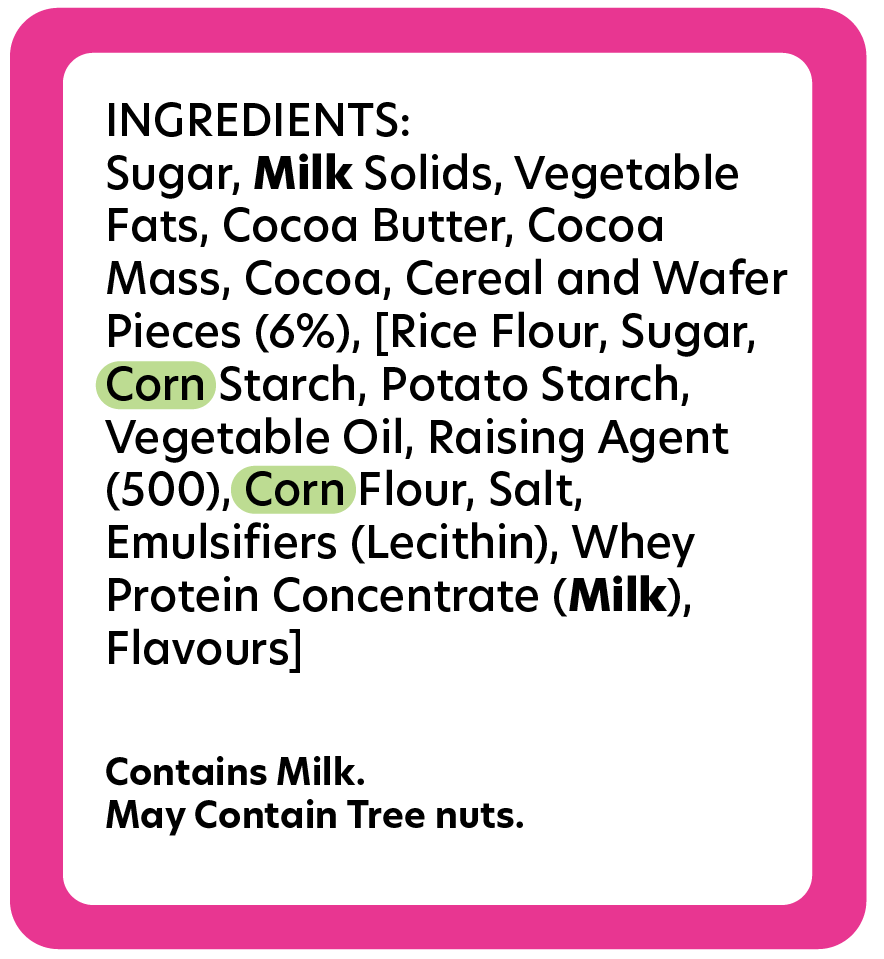
This product contains corn; it is in the ingredient list but not in the “Contains” summary statement.
But there are exceptions:
Compound ingredients
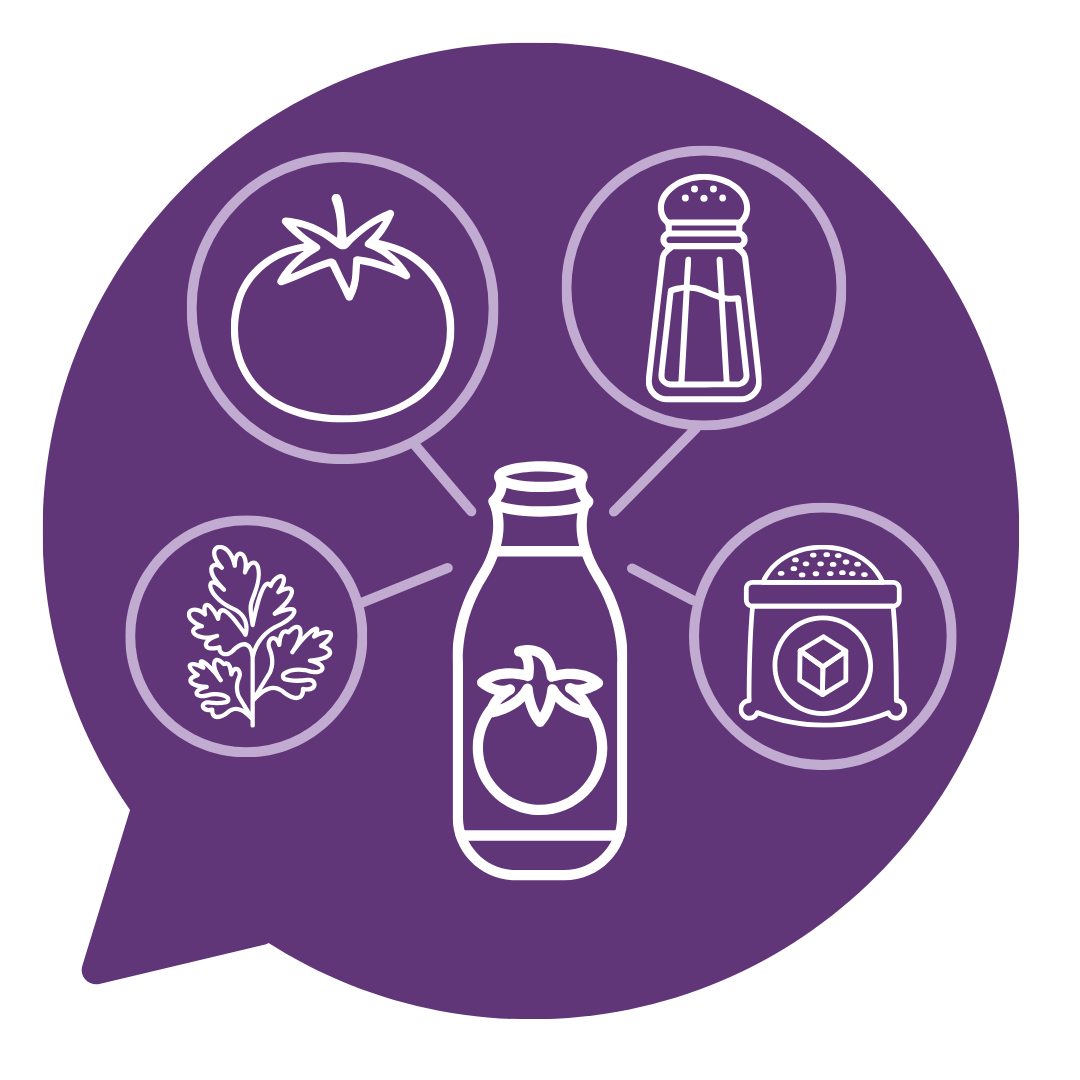
A compound ingredient is made up of two or more separate ingredients. Uncommon food allergens can be in a compound ingredient. If an ingredient is not a common allergen and it is part of a compound ingredient that makes up less than 5% of the final product, it is not required by law to be listed in the ingredient list.
An example of a compound ingredient that could make up less than 5% of the total food is tomato paste (made from tomatoes, salt, sugar and herbs) in the pizza sauce on a frozen pizza.
Grouped ingredients
Ingredients can also be listed as a group. Examples include:
Spices – may be listed without naming which spice. For someone with an allergy to a spice, such as mustard or paprika, it would be safest to avoid the product. Be aware that the spice used in a product can change.
Fruit powders – may be listed as ‘fruit powder” and not name the fruit used. For example, kiwifruit is sometimes used in a meat rub and may be listed as “fruit powder”. Be aware that the type of fruit used can change.

It is important to check the ingredients every time you purchase a product. Even if you have checked and the food was “safe” in the past, manufacturers can change ingredients and processes at any time.
Learn more about reading food labels
Read about Precautionary Allergen Labelling, the importance of reading labels and more.
Telling food service staff about your food allergy when eating out
If you tell food service staff about your food allergy, and the food business has agreed to provide you with a meal or unpackaged food, you must be given food that does not contain your allergen(s).
Food businesses do not have to provide information about less common allergens the same way they must for common allergens, BUT if you have told them about your allergy and they agree to sell you unpackaged food /serve you a meal, it should not contain your allergen.
What is an unpackaged food?
Examples include food from:
- a delicatessen such as sliced ham, olives
- a display case in a café such as cakes, pastries and sausage roll
- a bakery such as bread, sandwiches and pastries

It is important to always clearly tell food service staff when eating at a café or restaurant about your food allergy. For example, saying “I am allergic to mustard. Does the meal I want to order contain mustard?”

If you are buying food over the counter at a bakery, delicatessen or cafe, clearly tell staff about your food allergy and ask if the unpackaged food you are buying contains your allergen. For example, saying “I am allergic to poppy seed. Does this cake have poppy seeds in it?”
Can you ask for a guarantee?
Food businesses cannot guarantee that a meal is 100% safe to eat. Mistakes can occur in the supply of ingredients and during food preparation and service. However, when you tell food service staff about your food allergy, they should do their best to give you food that does not include your allergen. This includes reading ingredient lists and all allergen statements and using best practice methods for cleaning surfaces and equipment and storing, preparing and serving food.
More tips on eating out with an uncommon food allergy:
- Always tell staff about your food allergy
- Even if you have eaten the same food at the same place before. The chef may be different, or the ingredients in the dish may have changed.
- Don’t just ask if a meal contains a certain food. Staff need to make sure your food/drink does not contain your allergen, and they also need to reduce the risk of cross contamination.
- Use the A&AA Chef Card to list the food allergen(s) you must avoid. The chef card allows you to write your allergens on the card, so it can be used for uncommon food allergies.
- Do not think the dish you ordered in one restaurant will be the same in another restaurant as recipes for the same meal can be different.
- Know which places or dishes may be high risk for you. For example, someone with a fruit allergy, such as kiwifruit, might avoid ordering fruit salad or going to juice bars.
- Eat simply – for example, choose grilled/baked food cooked in a clean pan, with only a few ingredients and avoid sauces that may contain your allergen. Sauces often contain compound ingredients that include herbs and spices that do not need to be separately declared in an ingredient list on packaged food.
- If you do not have your adrenaline (epinephrine) device with you, DO NOT EAT!
- If you are ordering food online or through an app, write your food allergy in the notes or allergen section of your order. Call the restaurant you are ordering from and give them your allergy information over the phone as well. If you are unable to speak directly with the restaurant, consider ordering elsewhere. You cannot be sure the allergy information you have written will be received by the restaurant and the order prepared and delivered safely
Learn more about eating out with food allergy
Read about eating out with food allergy, download helpful resources and more.