On this page
How to manage food allergy
Managing food allergy means you know
- How to reduce the risk of an allergic reaction
- How to treat an allergic reaction
- How to educate yourself and others
- How to manage your food allergy outside the home
- What treatments are available for food allergy
Our Food Allergy page has more information about allergic reactions to smelling or touching the food.


Be prepared:
Always have at least 1 adrenaline device with you (if prescribed), as well as your ASCIA Action Plan.
How to reduce the risk of an allergic reaction
Know what you are allergic to.
- Have your allergies confirmed by a doctor or allergy nurse practitioner
- Teach children what they are allergic to
Know what is in your food and drink.
- Never guess
- Be aware your food allergen may be hidden in foods and drinks, including alcohol
Read the ingredient list and all allergen statements when buying packaged food and drinks every time because ingredients, or how the food is made, can change without warning.
Always tell food service staff about your food allergy.
Ask about ingredients, preparation and cross contamination risks. Don’t rely on menu descriptions when ordering foods and drinks. Menus do not have to list common allergens and recipes can change without the menu being updated.
Give staff a chef card which has the foods you are allergic to written on it when eating out.
If you have declared your food allergy when booking or buying tickets to an event, you still need to tell food service staff at the event and confirm the food being served to you does not contain your allergens.

Know that shared food can be high risk.
Hand washing.
- Use soap and water to wash hands.
- Wipes or clothes can be used to remove allergens from hands if running water and soap is not available.
- Hand sanitiser does NOT remove food allergens, it helps prevent infection only.
Learn how to store and prepare food to reduce risk
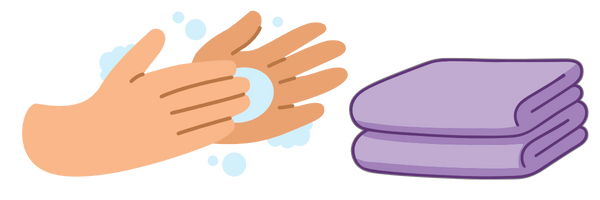
Wash your hands and dry them with a paper towel or a clean cloth
- Before eating
- Before cooking and during cooking as needed
- If you have touched an allergen
Use a separate shelf in the pantry and fridge to keep food for the person with allergy
- Put the family member’s name on the container or the shelf so they are reminded which food is their food
- Use a high shelf to reduce the risk of other foods spilling on it
- Use a basket/tub/container if you don’t have space for a whole shelf or have more than one person in the family with food allergy.

Keep foods in their original packaging if possible
- Clearly label clean containers if storing food in them
- So you can check ingredients
Use separate kitchen equipment if it is difficult to clean. Examples:
- Separate blender for the person with a milk allergy
- Separate coloured chopping board for person with food allergy
- Separate toaster for person with wheat allergy
Use a colour as a reminder or alert
- Coloured stickers on packaged food
- Separate coloured plate or cup for each child with food allergy
- Coloured cloths for wiping faces and hands of young children
- Coloured storage containers
Try not to do too many things at once when cooking for the person with food allergy.
You need to think about what you are doing – not bringing in the washing, helping with homework or talking on the phone while cooking.
Clean benches and surfaces
- Clean up spills straight away with a clean cloth or paper towel
- Use warm soapy water

Keep kitchen equipment clean
- Use hot soapy water or the dishwasher
- Make sure no food has stuck on

Cook meal for person with food allergy first if you are cooking different meals

Serve the person with food allergy first to avoid mistakes

Check ingredients of cosmetics and body products for food allergens
Check ingredients of medications, supplements and dental products.
Tell your doctor, pharmacist, dentist about your food allergies and ask if products contain your food allergen.
How to treat an allergic reaction:
Follow your ASCIA Action Plan. It helps you to understand if an allergic reaction is mild to moderate or severe, and tells you what to do in an emergency.
Anaphylaxis emergency treatment
What to do in an emergency if you or someone you are with is showing signs of an allergic reaction or anaphylaxis.
ASCIA Action Plans
Know the signs and symptoms of an allergic reaction. Use the ASCIA Action Plan to help you.
Emergency treatment – being prepared
Educate yourself so you will know what to do.
Read more about ASCIA Action Plans and ASCIA Management Plans for non-IgE-mediated food allergy
When to seek help
If you think that you or a family member has signs and symptoms of anaphylaxis, call triple zero (000) for an ambulance.
If you or a family member think you had an allergic reaction to a food, speak with your General Practitioner (GP). If your GP thinks it is food allergy, they should refer you to an allergy specialist.
How to educate yourself
Free online training
> ASCIA anaphylaxis e-training to learn about recognising and treating anaphylaxis
> Food allergen training to understand about food allergen management when preparing food
How to inform others
It is important to talk with family, friends, teachers, carers or work colleagues about your/your child’s food allergy to help them understand and support you. Things to talk about include:
- What food you/your child is allergic to and the need to avoid it
- Safer preparation and serving of food
- Where your adrenaline device and ASCIA Action Plan are kept
- How to recognise and treat an allergic reaction including anaphylaxis
- You/your child may not share food others prepare and might bring your own
- Free online training

How do you manage your food allergy outside of the home?
What treatments are there for food allergy?
At present there is no cure for food allergy.
As researchers learn more about food allergies, other management and treatment options are being developed.

Oral Immunotherapy (OIT)
Oral Immunotherapy (OIT) may be an option for some people with food allergy.
OIT is a special treatment program that needs to be supervised by an allergy specialist.
Speak with your allergy specialist about whether OIT may be an option.

Medications
There are new drugs being used to help manage the risk and severity of allergic reactions to food. These are not easily available in Australia and are expensive.
Like all medications, there are benefits and risks when using them. Speak with your allergy specialist to find out more.
With both treatment options there is still the chance of an allergic reaction, including anaphylaxis, so people need to be informed and prepared.