
Updated July 2026
On this page
What is food allergy?
Food allergy occurs when a person’s immune system reacts to a food that is harmless for most people. The food that causes a reaction is known as a food allergen. It is almost always the protein in the food that causes the person’s immune system to react. Any food can cause an allergic reaction, including fruits, vegetables and meats.
People can be allergic to one or more foods.
When a person eats the food allergen, the immune system releases a large amount of chemicals, including histamine. These chemicals cause the signs and symptoms of an allergic reaction. An allergic reaction usually happens within minutes after eating the food allergen but can take up to 2 hours to develop.
An allergic reaction can involve the gut, skin, airway, breathing and/or cardiovascular system (heart and blood pressure). Signs and symptoms of an allergic reaction to food can be mild to moderate or severe. A severe allergic reaction is known as anaphylaxis.
Anaphylaxis can be life threatening and must be treated as an emergency.

Food allergy that can cause anaphylaxis is known as IgE-mediated food allergy. IgE stands for Immunoglobulin E, which is an antibody that is part of the immune system.
For information on other types of food allergy, known as delayed or non-IgE-mediated food allergy, see our page on Non-IgE-mediated food allergy.
How common are food allergies?
In Australia, food allergy is common and estimated to affect around 1 in 10 babies, 1 in 20 teens and 1 in 50 adults.



- Most children will grow out of an allergy to cow’s milk, egg, soy and wheat. However, allergies to peanut, tree nuts, sesame and seafood tend to be lifelong.
- People can experience their first allergic reaction at any age, even if they have eaten the food many times before.
- If a person develops a food allergy as an adult, they are likely to have that allergy for the rest of their lives.

Babies and food allergies
When to introduce food to babies, allergic reactions in babies and more.
What are food allergens?
The word ‘allergen’ is used to describe the food a person is allergic to.
It is important to understand that even very small amounts of a food or drink can cause anaphylaxis in some people.
The common food allergens in Australia are:




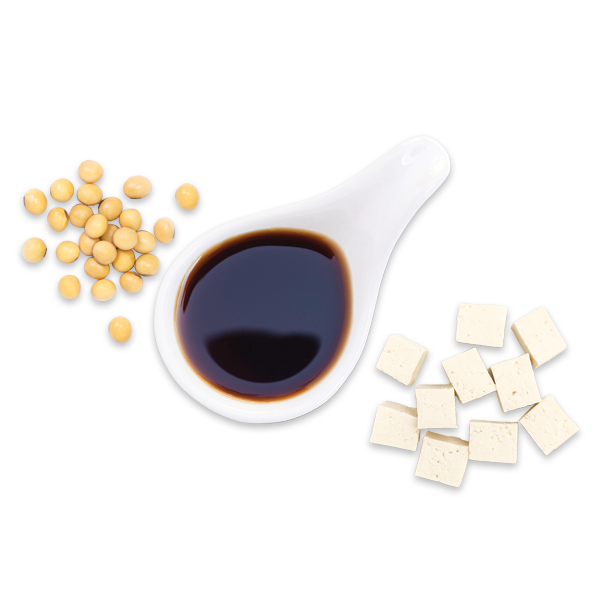
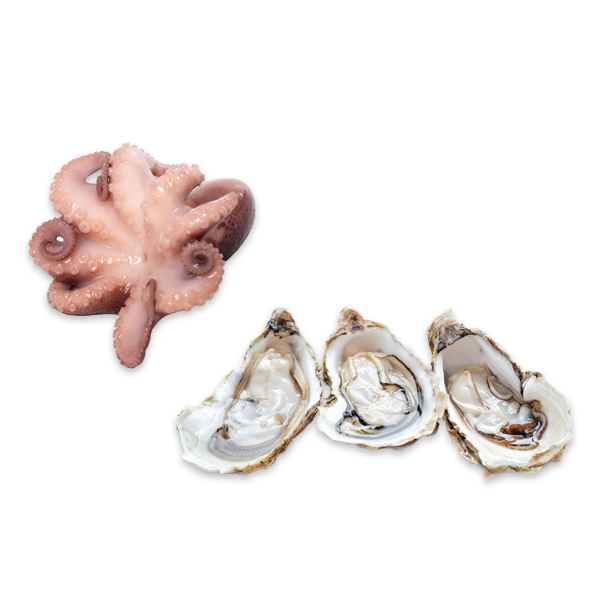
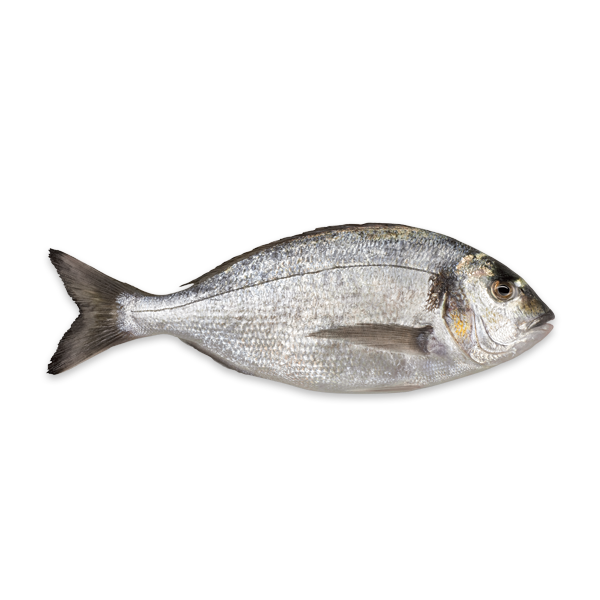
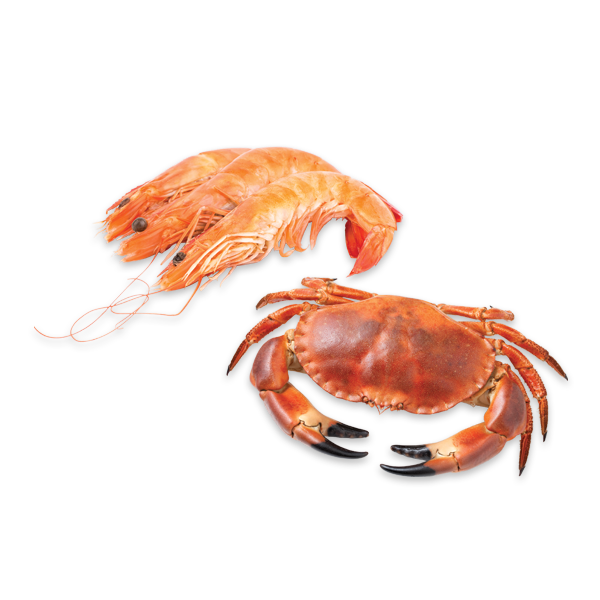

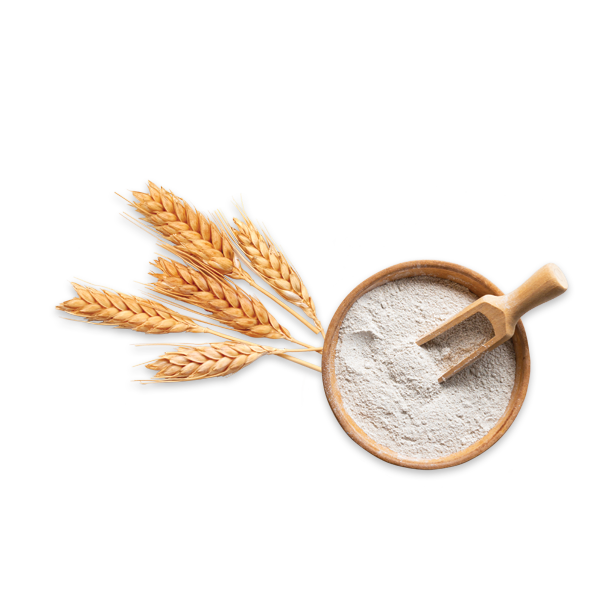
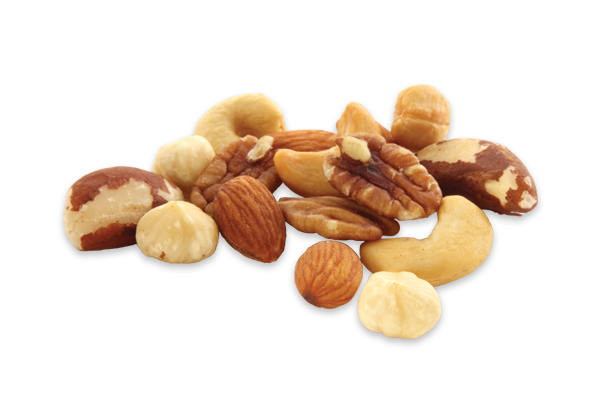
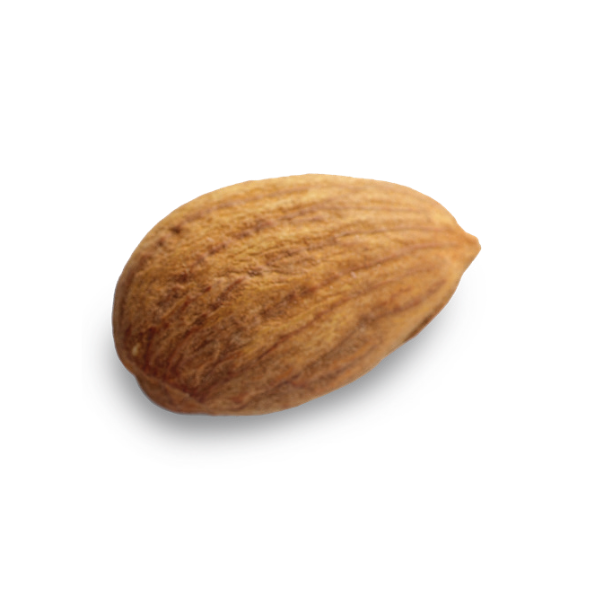

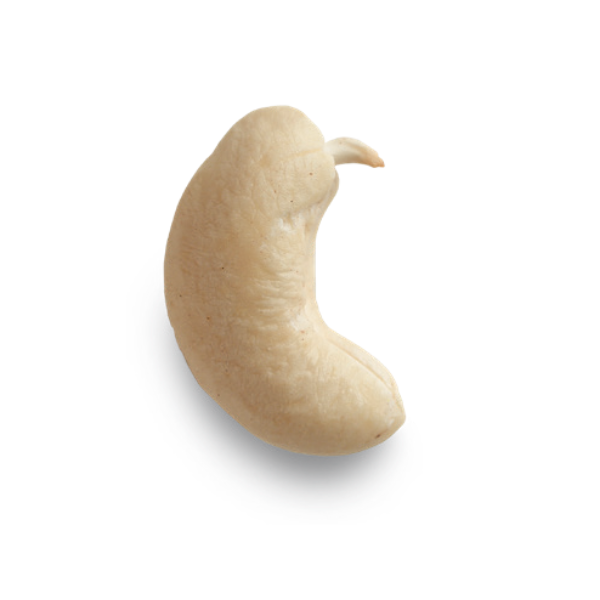




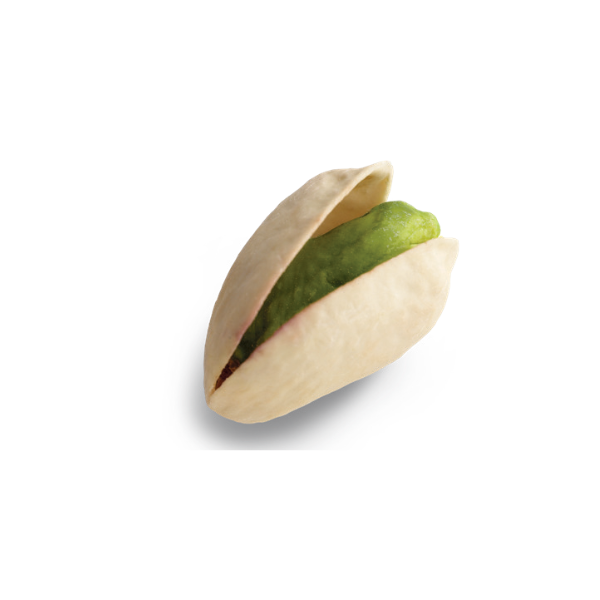
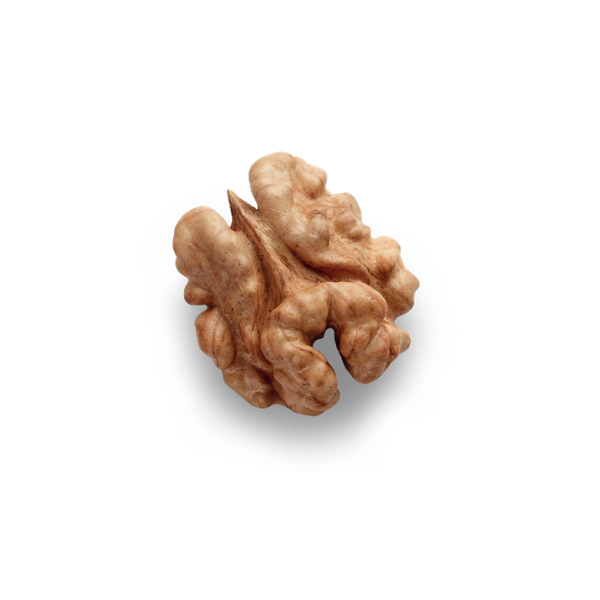
Any other food, including kiwifruit, banana, chicken, mustard and celery, can cause an allergic reaction, including anaphylaxis. These are called uncommon food allergens.
Uncommon food allergy
More than 170 food are known to have triggered allergic reactions including mammalian meat.
> Read more about uncommon food allergy
> Read more about mammalian meat allergy or alpha-gal syndrome
Food allergy or intolerance?

Knowing the difference between a food allergy and a food intolerance can be confusing for many people. Some of the signs and symptoms of a mild to moderate allergic reaction are similar to the signs and symptoms of a food intolerance. Unlike a food allergy, a food intolerance does not involve the body’s immune system and is not life threatening.
What are the signs and symptoms of an allergic reaction to food?
Signs and symptoms of a food allergy usually occur soon after eating the food or within two hours of eating. Allergic reactions to food can be mild to moderate or severe (anaphylaxis).
An allergic reaction may start with mild to moderate signs or symptoms but can progress rapidly to anaphylaxis. However, it is important to remember that signs of a mild to moderate allergic reaction may not always occur before anaphylaxis.
Signs and symptoms of an allergic reaction
Learn about the signs and symptoms of allergic reactions, and the difference between a mild to moderate reaction and a severe reaction (anaphylaxis).
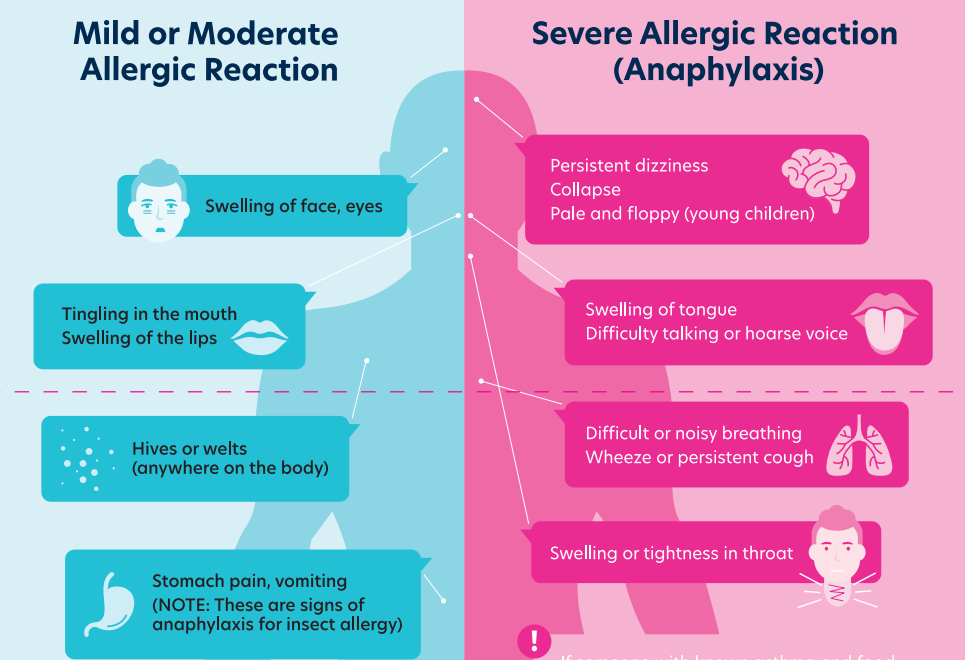
Most allergic reactions are mild to moderate.
An allergic reaction may start with mild to moderate signs and symptoms then develop into anaphylaxis. This can happen very quickly.
BUT… signs and symptoms of a mild or moderate allergic reaction may not always appear before anaphylaxis.

Does touching or smelling a food cause an allergic reaction?
Not all exposures to an allergen will cause anaphylaxis. For example, if a person with peanut allergy touches peanut or a person with egg allergy touches egg, it may cause a mild to moderate allergic reaction, but it will rarely cause anaphylaxis.
Some people can have anaphylaxis if they eat even a very small amount of the food they are allergic to. Sometimes they will not even know how they ate it. For example, it could have been caused by cross contamination when the food was prepared.
Allergic reactions to inhaling or smelling food are uncommon. Most food proteins do not spread through the air easily. Sometimes when fish and other seafood are being cooked, the proteins can be released into the air through cooking fumes (smoke/steam) and cause an allergic reaction. This is not usually an issue for other food allergens. Some people with mammalian meat (Alpha-gal) allergy may have an allergic reaction when meat is cooking.
When to seek help
If you think that you or a family member has signs and symptoms of anaphylaxis, call triple zero (000) for an ambulance.
If you or a family member think you had an allergic reaction to a food, speak with your General Practitioner (GP). If your GP thinks it is food allergy, they should refer you to an allergy specialist.
Diagnosis and testing
Food allergy management and treatment
Learn about how to reduce risk of an allergic reaction to food, emergency treatment, ASCIA Action Plans and more.
Severity of an allergic reaction
Deaths from anaphylaxis, including food anaphylaxis, are rare in Australia. We do not know the exact numbers because currently there is no register that collects this information.
The most common causes of fatal anaphylaxis are medication or insect stings. However, while death from food anaphylaxis happens less often than death from insect or medication allergy, people have sadly died from food anaphylaxis in Australia.
Allergy & Anaphylaxis Australia has learned from coroners’ inquests and our contact with families who have lost loved ones that deaths from food anaphylaxis are almost always preventable.
Not giving adrenaline or a delay in giving adrenaline is often a factor when someone has died from anaphylaxis. Standing and walking is also a common factor.
Always follow your ASCIA Action Plan if you are experiencing anaphylaxis.
What can affect the severity of an allergic reaction to food?
It is NOT true that each anaphylaxis a person has will be worse than the one before.
There are a number of things that can affect how severe an allergic reaction is.
Related information
Living with allergy
Learn more about daily life with food allergies – including reading labels and ingredients and planning ahead for eating in different environments.
Emergency preparation
Learn more about preparing for an emergency, and how to identify and respond to an allergic reaction including anaphylaxis.