Updated: August 2026
A bee sting allergy is when a person develops symptoms of an allergic reaction after they have been stung by a bee.
Honeybees are the most common cause of allergic reactions to insects in Australia and can cause a severe allergic reaction (anaphylaxis) in around 1% of the population.
Allergy to one type of stinging insect (for example bee) does not usually increase the risk of an allergic reaction to another type (such as wasp) as their venoms are very different.
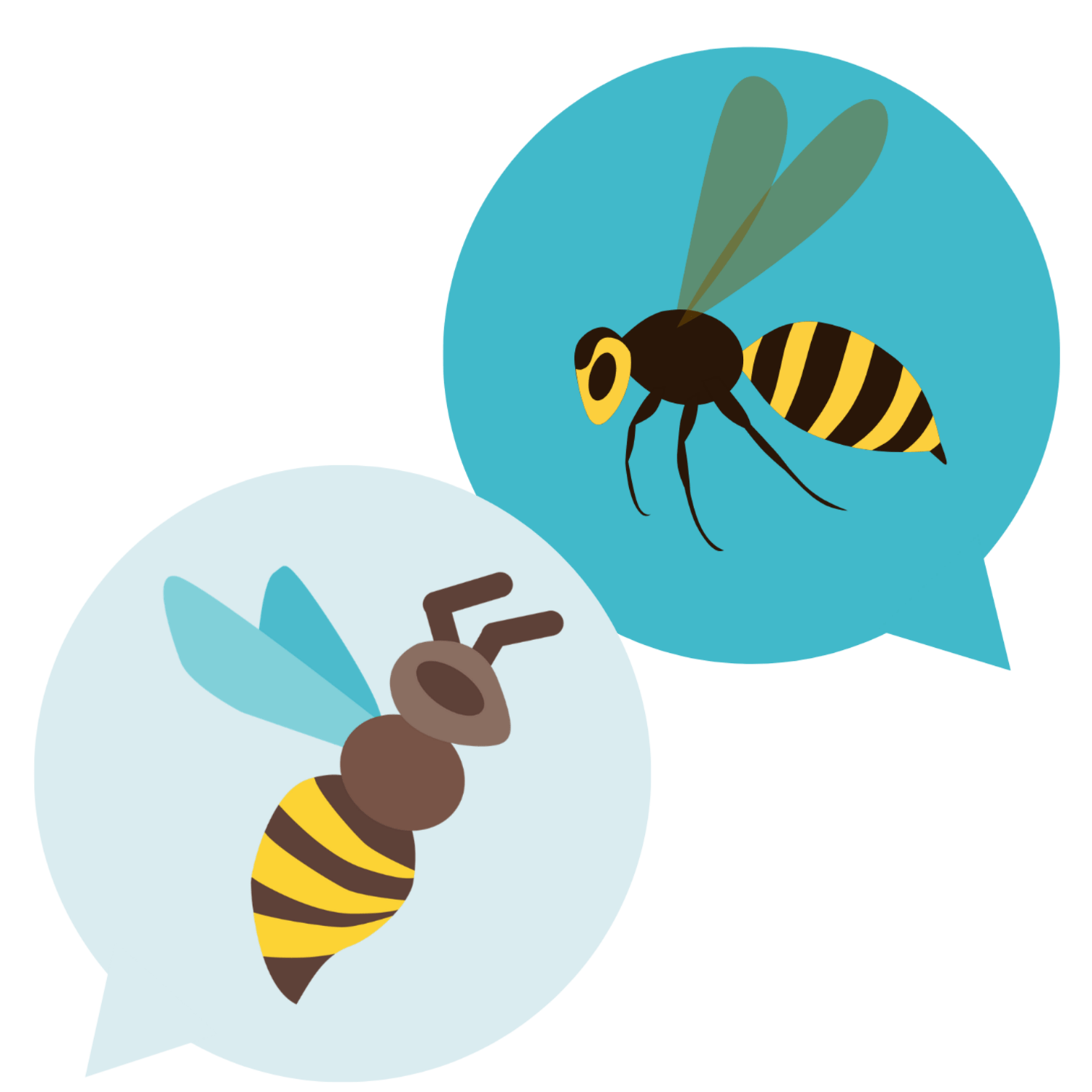
Is it a Bee or a Wasp?
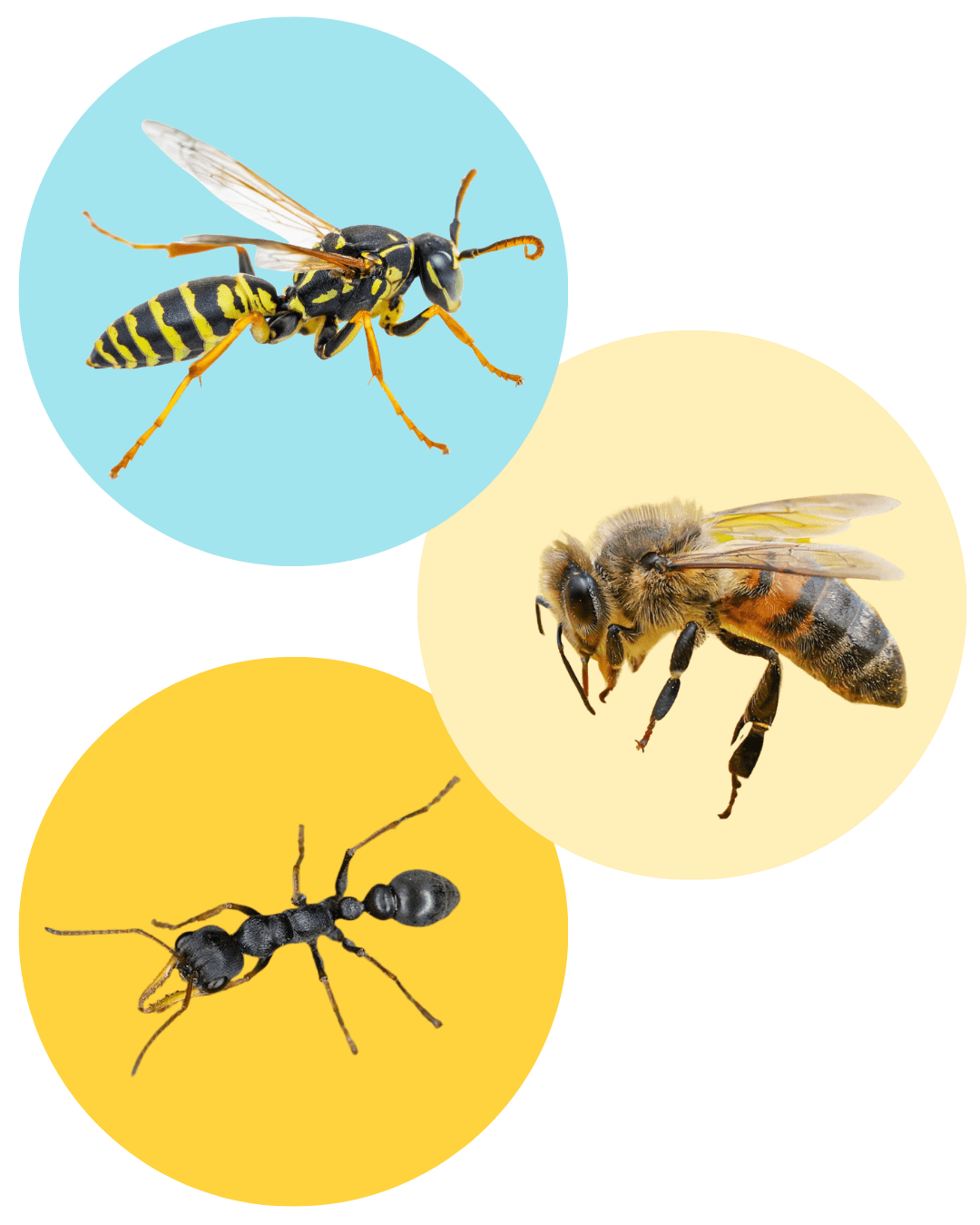
Honeybees have fuzzy hairy bodies which help them to collect pollen, and they may also carry bright yellow pollen sacs on their broader hind legs. Wasps have smooth hairless bodies with long fine hind legs as they do not need to collect pollen given that they feed off other insects.
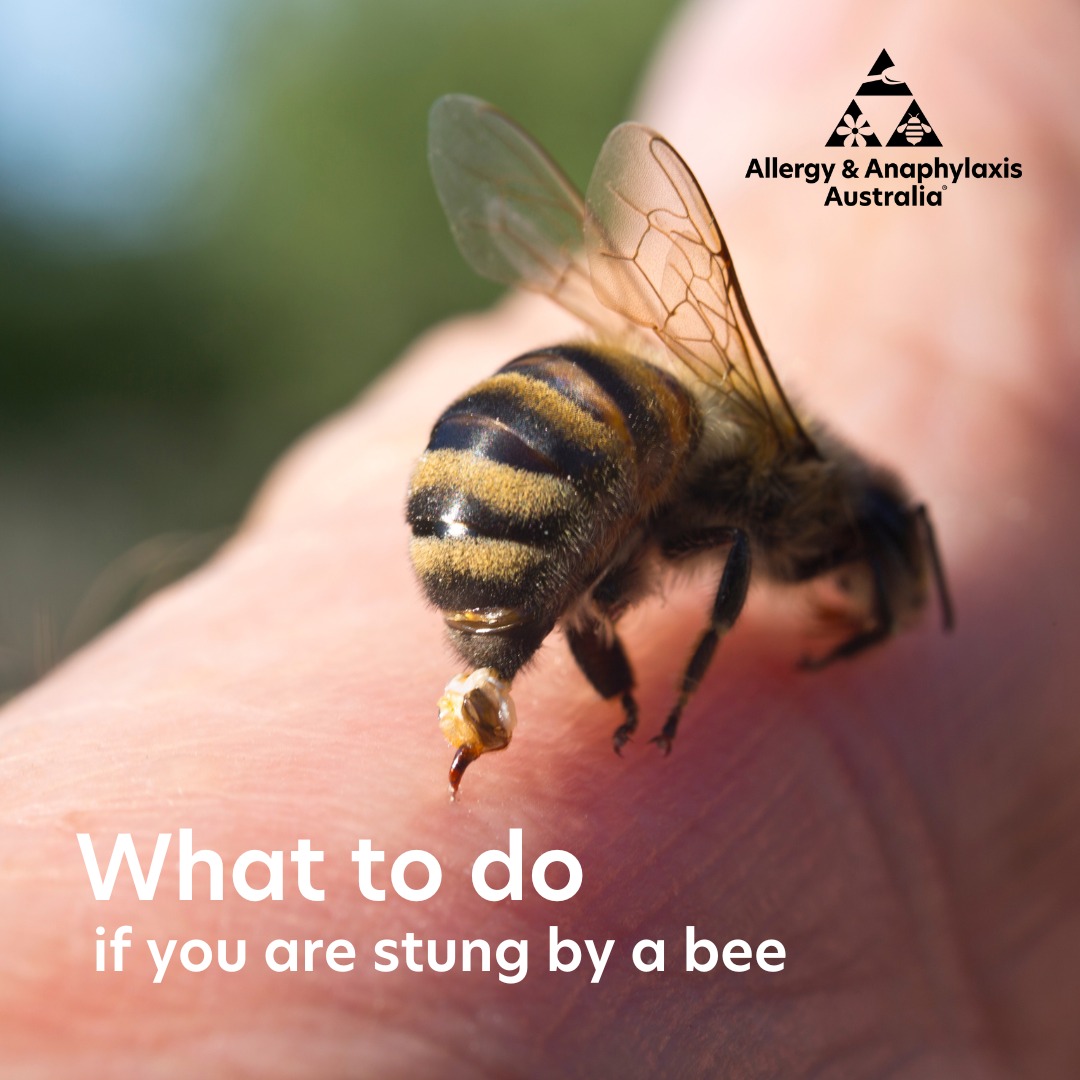
Honeybees usually only sting in self-defense. Each honeybee can only sting once. They die when they sting (as they have a barbed stinger that gets stuck) and they leave the stinger in the victim. This is different to wasps that have smooth stingers and can sting multiple times without dying. The wasp stinger is not left in the victim.
If unsure of the identification of insect, take a photo (if safe to do so).
How to Prevent Bee Stings:
- If a bee is nearby, try to stay calm and still and gently brush it away if it lands on you
- Avoid walking around barefoot outdoors
- Wear light-coloured long-sleeved clothing
- Avoid wearing scents and perfumes
- Avoid provoking bee hives and have hives removed by professionals
- Avoid drinking from unattended open soft drink cans
- Avoid picking up rubbish
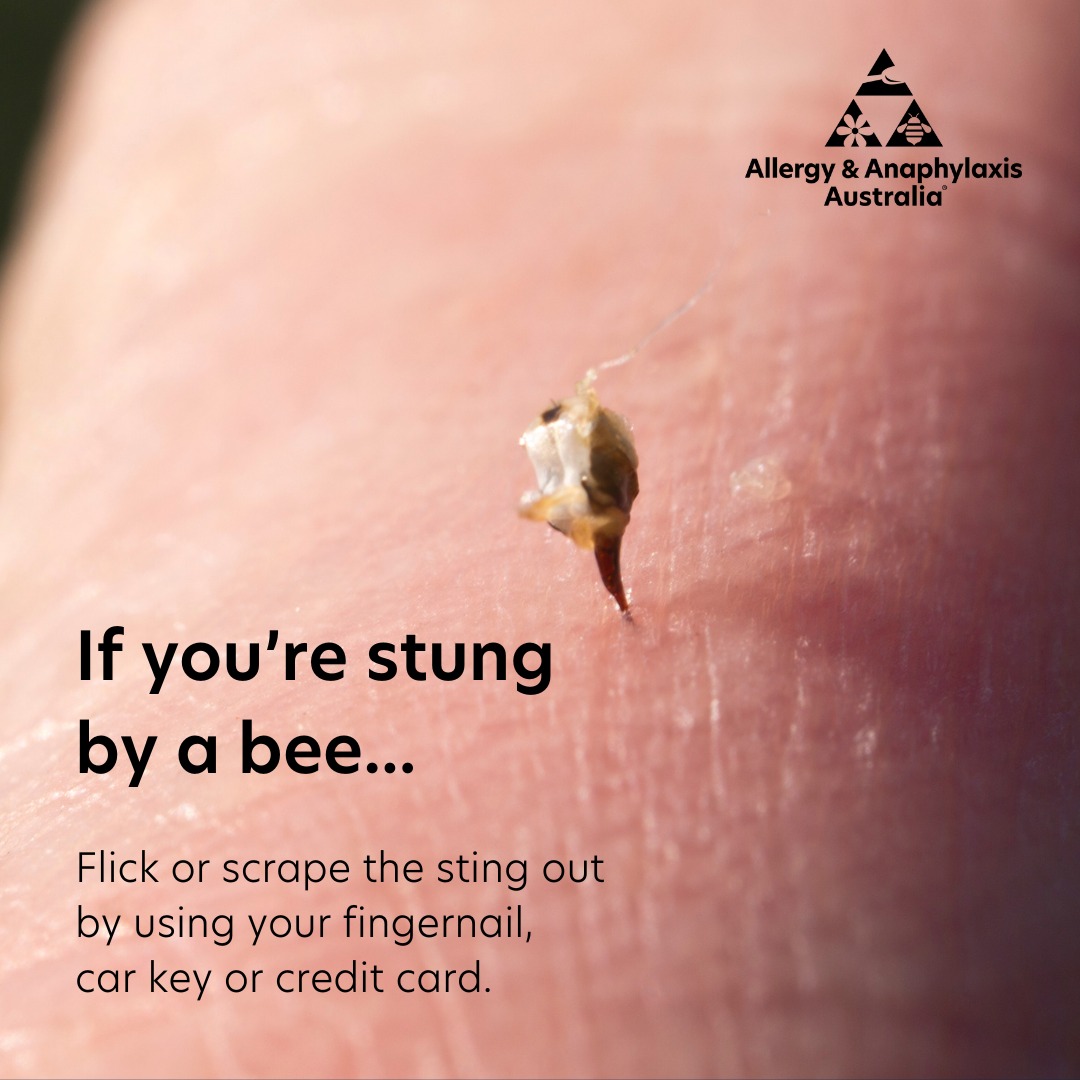
Removal of bee stings:
- Flicking the stinger out quickly (not squeezing it) may reduce the amount of bee venom injected
- Use the edge of your fingernail, a car key or credit card to flick out the stinger
After an insect sting or bite, monitor for signs of an allergic reaction
An allergic reaction may start with mild or moderate symptoms but can progress rapidly to anaphylaxis. However, it is important to remember that signs of a mild or moderate allergic reaction may not always occur before anaphylaxis.

Mild to moderate allergic reactions:
- Large Local Reaction: Itchy red rash and swelling around the site of the insect sting
- Generalised: itchy hives (urticaria) all over body without signs of anaphylaxis
Treatment for mild-moderate reactions:
- Cold packs can help reduce itch and swelling
- Oral non-sedating antihistamines can also be helpful
- Mild to moderate allergic reactions usually settle within a few days
Severe allergic reaction to insect sting (Anaphylaxis)
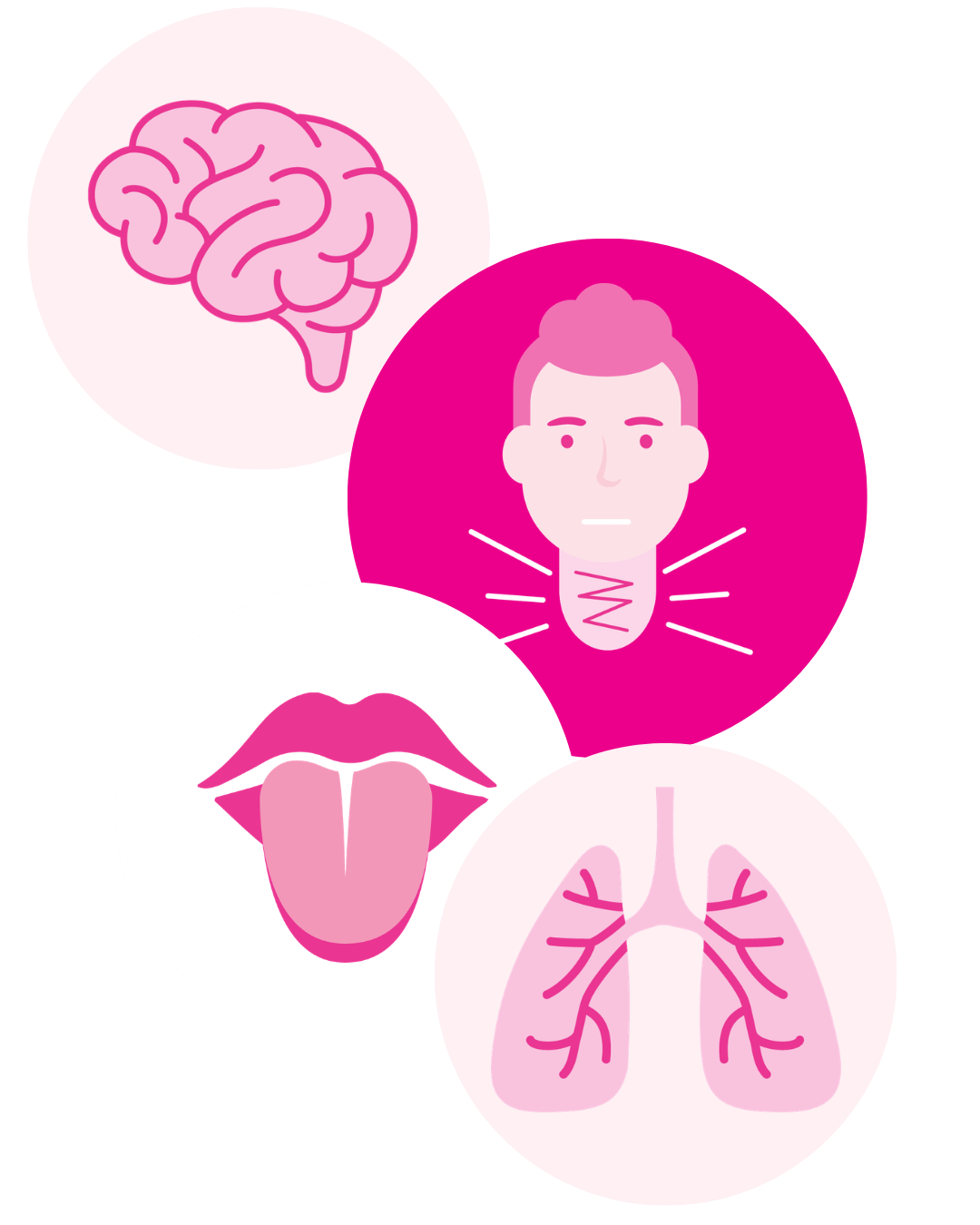
- Difficulty or noisy breathing
- Swelling of the tongue
- Swelling or tightness in throat
- Wheeze or persistent coughing
- Difficulty talking or hoarse voice
- Persistent dizziness or collapse
- Pale and floppy (young children)
- Abdominal pain or vomiting
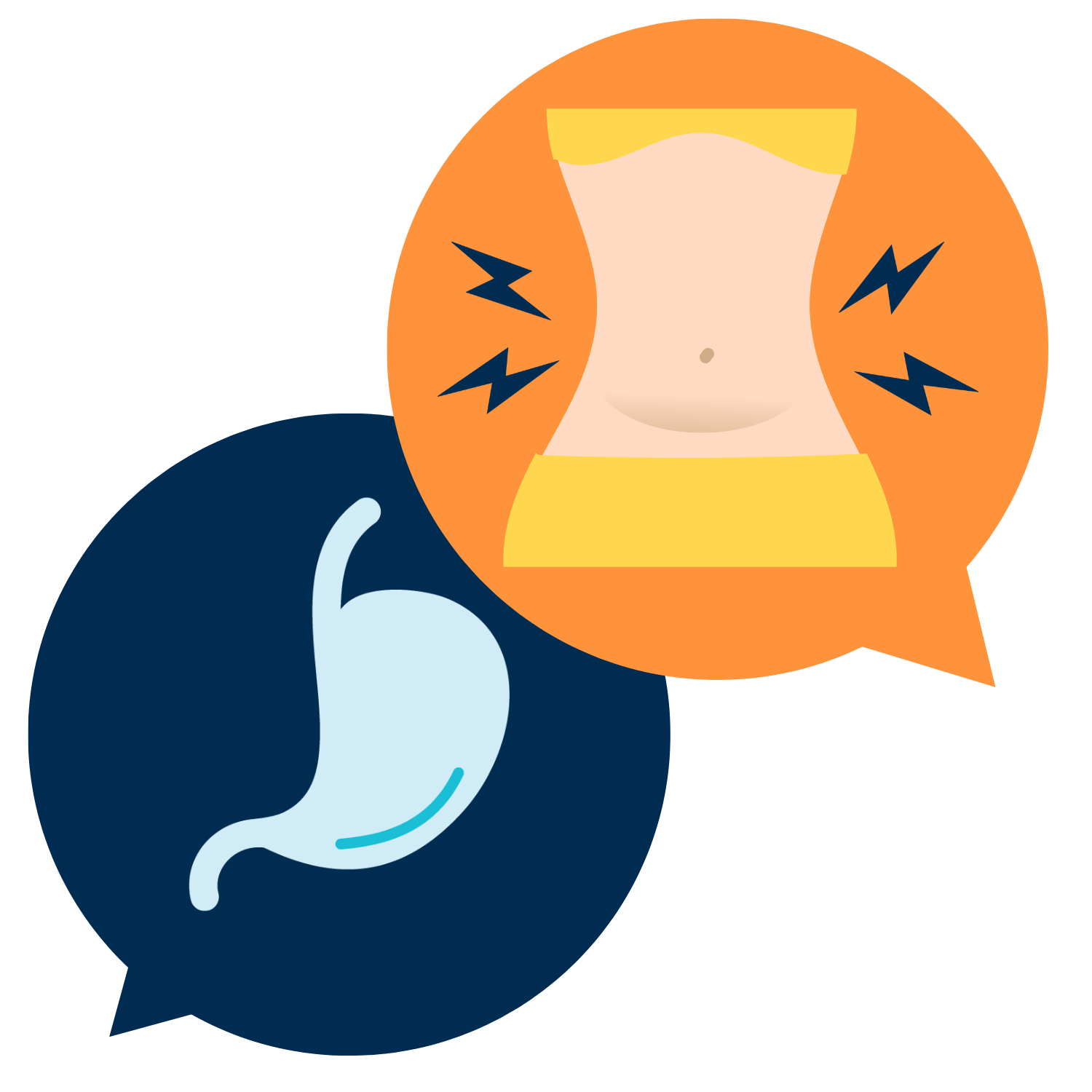
Abdominal pain or vomiting is a sign of a severe allergic reaction (anaphylaxis) if caused by an insect sting.
Abdominal pain or vomiting is a sign of a mild to moderate allergic reaction (not anaphylaxis) when caused by a food allergy.
Anaphylaxis should be treated promptly with an adrenaline device and call triple zero (000) for ambulance.
The person may need to be moved to safety away from the insects. Anyone having anaphylaxis should not stand or walk, but the priority is to move the person to safety. Do your best to keep the person as flat as possible.
What to do after you have recovered from an insect sting allergic reaction?
People who have experienced a large local allergic reaction to an insect sting have a low likelihood of developing anaphylaxis with subsequent stings.
If you have experienced generalised hives or anaphylaxis after an insect sting then you should be referred to an allergy specialist. This is because there is a higher risk of subsequent anaphylaxis to a sting from that insect, and venom immunotherapy treatment may be warranted. People who had anaphylaxis will be prescribed an adrenaline device(s) and given an ASCIA Action Plan for Anaphylaxis.
What is venom immunotherapy (VIT)?
Venom immunotherapy, also known as desensitisation, can help to switch off allergy over time and this is an effective treatment for allergies to bee, wasp and Jack Jumper Ant stings. The duration of treatment is usually at least three to five years and involves regular injections under the skin.
Venom immunotherapy can reduce risk of anaphylaxis to future insect stings and may be indicated if you have had previous anaphylaxis to insect stings or if you are an adult who has experienced a generalised urticarial reaction to an insect sting. An allergy specialist can determine whether VIT is indicated and oversee treatment.
A&AA would like to thank Dr Maggi Li for her contribution in writing this webpage.
Learn more about insect allergy
What is anaphylaxis?
Related information
Understanding allergy care
Learn about allergy care, seeing an allergy specialist, the Australian health system, treatment options and more.
Developed as part of the Shared Care for Allergy Project, in collaboration with the National Allergy Council through funding from the Australian Government, Department of Health, Disability and Ageing.