On this page
In an EMERGENCY phone ambulance – call triple zero 000 (Australia)
Know what to do in an emergency
Recognise the signs of a severe allergic reaction (anaphylaxis)
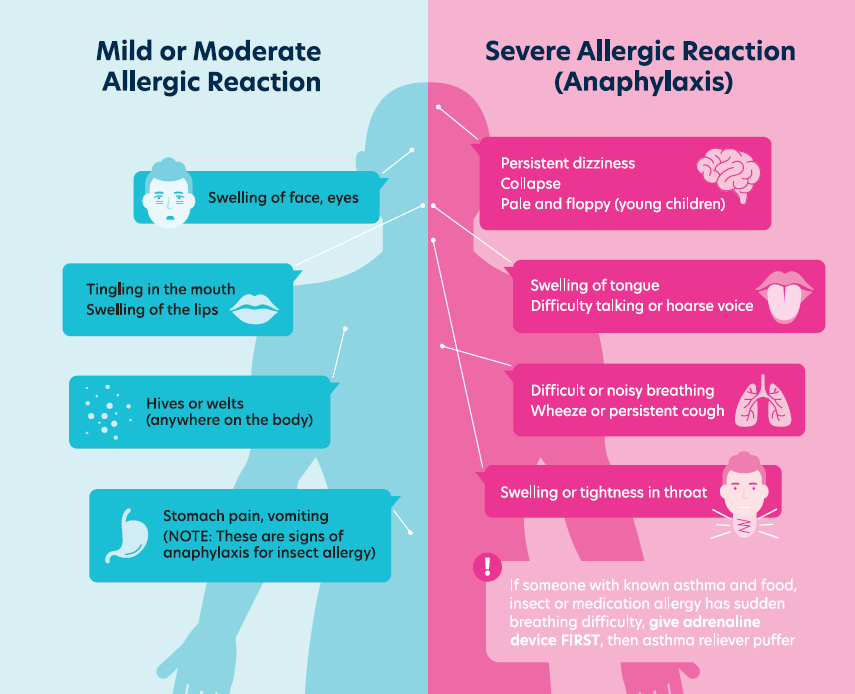
Watch for any ONE of these signs:
- Difficult or noisy breathing
- Swelling of tongue
- Swelling or tightness in throat
- Wheeze or persistent cough
- Difficulty talking or hoarse voice
- Persistent dizziness or collapse
- Pale and floppy (young children)
- For INSECT ALLERGY – abdominal pain, vomiting.

Follow instructions on the ASCIA Action Plan or ASCIA First Aid Plan for Anaphylaxis.
If you do not have an ASCIA Action Plan with you, these are the actions to take if you think someone is having anaphylaxis:
1. LAY PERSON FLAT – do NOT allow them to stand or walk
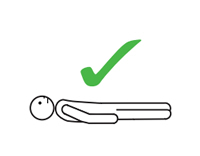
Lay person flat
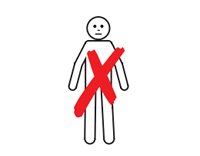
Do not allow them to stand or walk
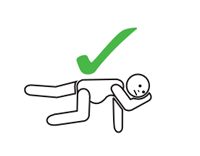
If unconscious or pregnant, place in recovery position – on left side if pregnant
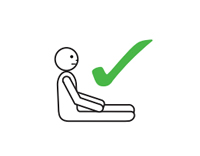
If breathing is difficult allow them to sit with legs outstretched
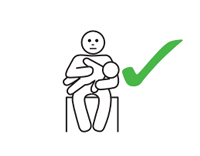
Hold babies and young children flat, not upright
2. GIVE ADRENALINE (epinephrine) DEVICE if available
- Instructions on how to give the adrenaline device are on the label of the device
3. Phone ambulance – triple zero – 000 (AU)
4. Phone family/emergency contact
5. Another adrenaline device may be given after 5 minutes
- If no response from first adrenaline device, or person is more unwell
6. The person must go to hospital for at least 4 hours of observation
- This is because the signs and symptoms of anaphylaxis may return after initially resolving. This is called a biphasic reaction and it usually occurs within 4 hours.
IF IN DOUBT GIVE ADRENALINE DEVICE
Start CPR at any time if person is not responding to you and not breathing normally.
Remember: the person having anaphylaxis may not be thinking clearly.
- Make sure someone stays with the person having anaphylaxis.
- Try to remain calm, reassure the person and tell them help is on its way.
- Don’t expect the person having anaphylaxis to manage the emergency on their own if help is available.
- A person having anaphylaxis may not be able to give themselves their adrenaline device even if they know how to use it.
Important things to remember:
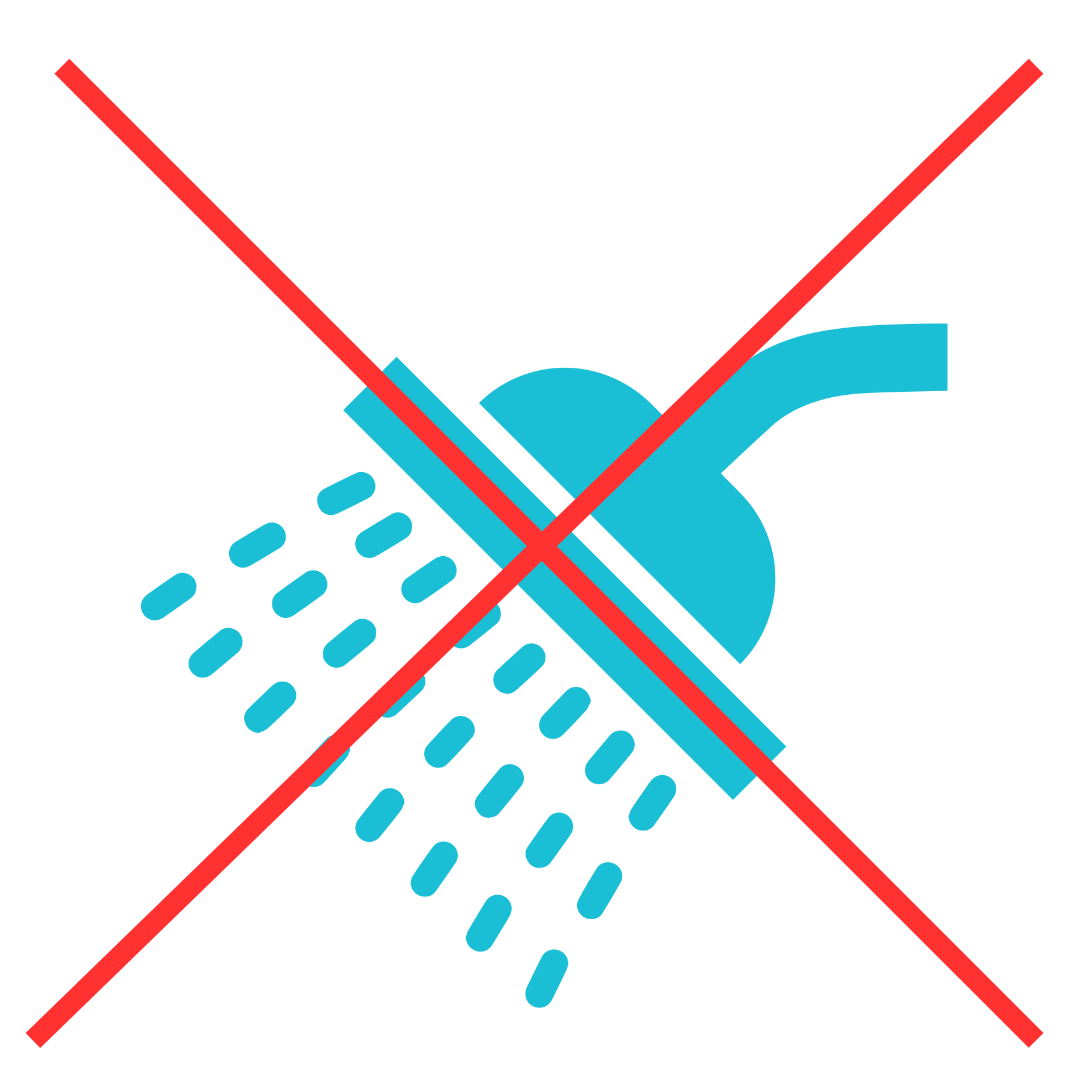
DO NOT SHOWER when you have anaphylaxis.
Showering during a severe allergic reaction can lower the person’s blood pressure and make them more unwell.
They can collapse if their blood pressure is too low.
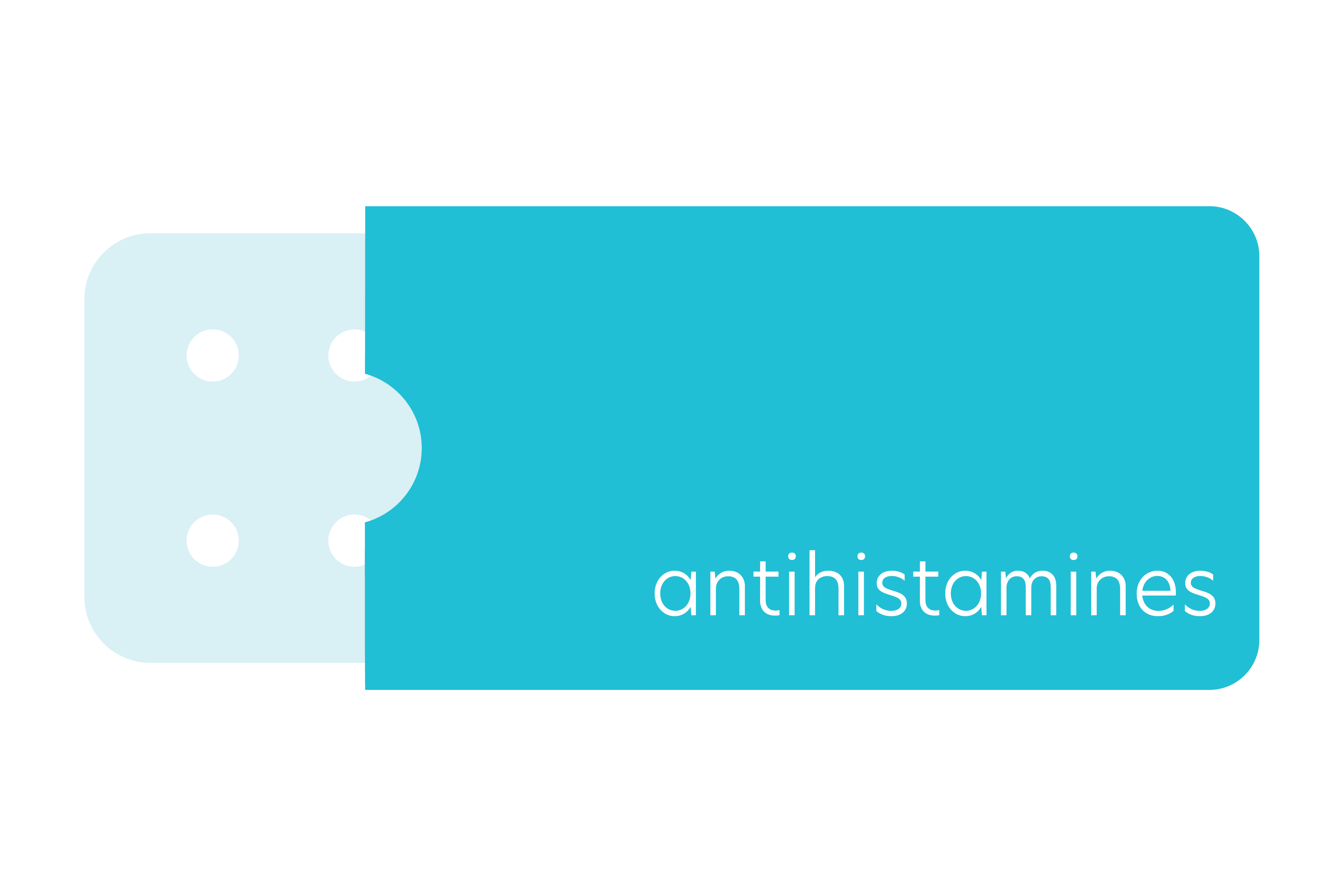
Antihistamines DO NOT stop anaphylaxis.
Antihistamines only help with mild/moderate symptoms like itching or swelling of the face, lips and eyes.
Prepare for an allergic reaction
Educate yourself
Familiarise yourself with your ASCIA Action Plan for Anaphylaxis
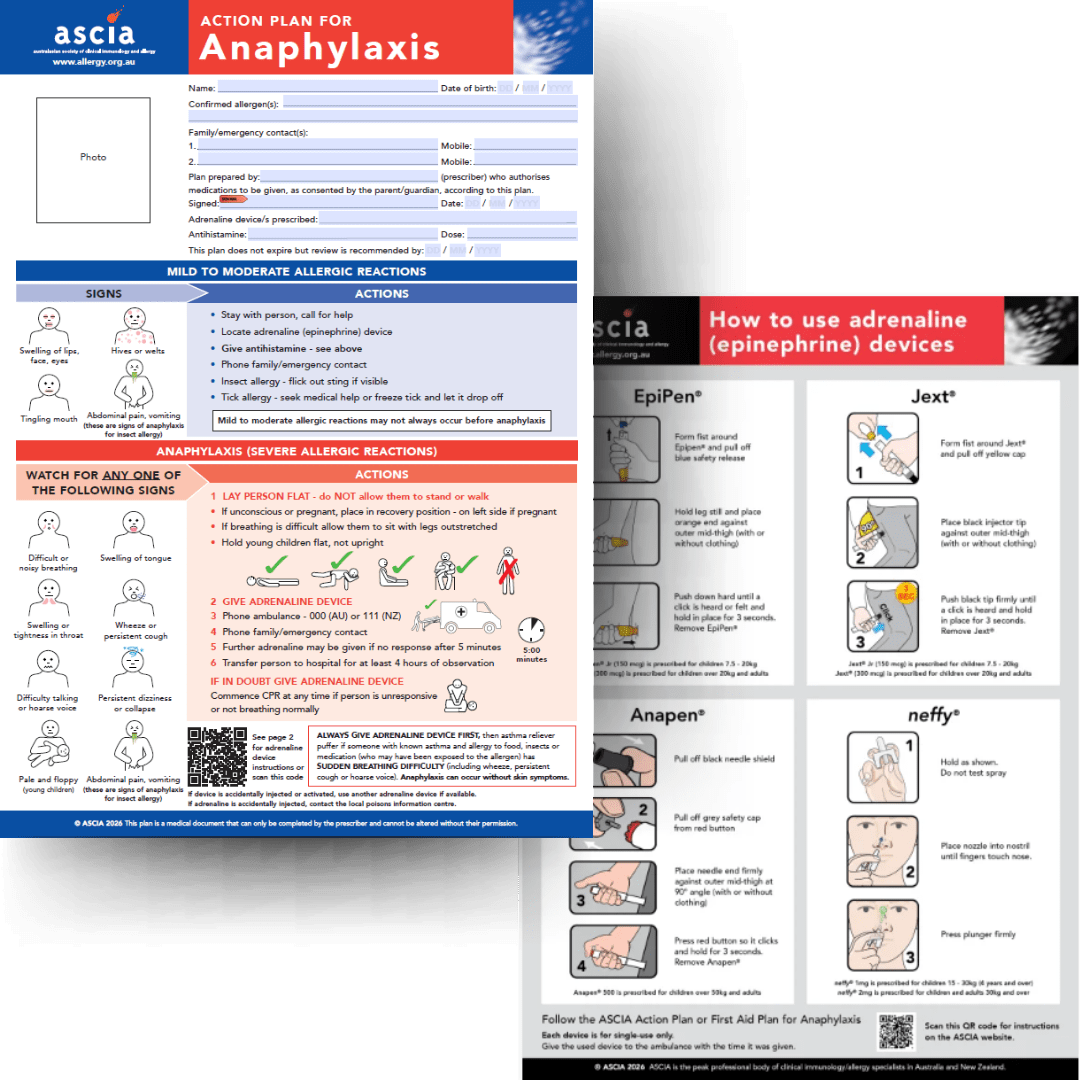
ASCIA Action Plan for Anaphylaxis
The ASCIA Action Plan for Anaphylaxis is for people who have been prescribed an adrenaline device. It outlines:
- Which allergens to avoid
- Signs of mild to moderate and severe allergic reactions
- Actions to take
- How to give an adrenaline device
- Emergency contact details
The ASCIA Action Plan for Anaphylaxis should be stored with a person’s adrenaline device.

Anaphylaxis e-training
Be aware that not all first aid courses cover the management of anaphylaxis well. The Australasian Society of Clinical Immunology & Allergy (ASCIA) has free online training courses on anaphylaxis for the community, schools and childcare, and health professionals. Even if you are required to do a first aid course through a registered first aid training provider for your workplace or community organisation, A&AA recommend also doing the ASCIA anaphylaxis e-training as this training often contains more information on avoiding allergens and emergency treatment of anaphylaxis.
Know how to call an ambulance
In Australia:
- Dial 000 (triple zero) from a landline, pay phone, mobile or satellite phone within Australia
- You can also dial 112 from a mobile phone in Australia.
Important – if there is no mobile coverage on any network, you will not be able to reach Triple Zero from your mobile phone.
- Stay calm and call from a safe place
- Tell the operator you need an ambulance
- Stay on the line, speak slowly and clearly, and answer questions
- Do not hang up until told to do so.
You will be asked where you are.
Try to give:
- street number and street name
- nearest cross street or landmark
- suburb, town or area.
Tell the operator:
- That someone is having a severe allergic reaction (anaphylaxis)
- Whether they are a child or adult
- If they are conscious (awake), if they are breathing
- What medications have been given (e.g. adrenaline device, antihistamine, asthma puffer).
- give the full address
- include distances from landmarks, roads, and property names.
- provide the direction you are travelling
- provide the last exit, town or landmark you passed.
If you do not know the exact address, describe your location as best you can.
If you are the person having anaphylaxis and are alone – call triple zero (000) even if you are having difficulty talking. Emergency services may be able to find your location if you are calling from a landline or mobile. Unlock a door so that people coming to help can get to you. Do not block the door.
Remote locations in Australia
There are many places in Australia which do not have mobile coverage service. This means you cannot call triple zero from your mobile and emergency apps do not work.
If you are travelling outside of metropolitan or regional areas of Australia, have a plan for connecting with emergency assistance if needed. There are multiple options including a satellite phone, personal locater beacon, UHF radio or wifi calling over Starlink.
Calling an ambulance when overseas
Phone numbers for emergency services are different in different countries.
Before you travel:
- Find out the emergency number for the country you are going to and save it in your phone. For example, the emergency phone number in New Zealand is 111. In some countries there are separate numbers for different emergency services, such as police, fire or ambulance.
- Make sure your mobile phone will work in the country you are going to. You may need to purchase an eSIM or pay for international roaming – check with your mobile phone provider for more information.
- If you do not speak the language, you will need to have translated phrases such as “Please call an ambulance”. Prepare ahead of time by printing or downloading key phrases to your phone – A&AA has translated phrases in 21 languages.
Emergency Plus App
The Emergency+ app is a free app developed by Australia’s emergency services and their Government and industry partners.
The app uses your smartphone’s GPS to help you provide accurate location details when calling Triple Zero (000).
What it does
- Lets you call Triple Zero (000) directly from the app.
- Uses your phone’s GPS to display your location, making it easier to tell emergency call-takers where you are.
- Includes what3words location information (every 3 metre square in the world has been a unique address made up of 3 random words). This can help identify precise locations.
Why it’s useful
It can be helpful when:
- You’re in a park, bushland, on a walking track, beach, or unfamiliar area.
- You don’t know the exact address of your location.
Important to know
- The app does not replace Triple Zero (000). It simply helps you call and communicate your location
- You need mobile network coverage for it to work.
It is a good idea to install the app before you need it, especially if you spend a lot of time outdoors or are travelling to unfamiliar areas.
Watch educational videos
Signs and symptoms video
How to position a child or adult having anaphylaxis
This animation was developed by the National Allergy Council.
Importance of laying down during anaphylaxis
Dr Paxton Loke – Paediatric Allergist and Immunologist from the Murdoch Children’s Research Institute and Melbourne Allergy Centre and Children’s Specialists Medical Group.
Learn about adrenaline
ADRENALINE IS LIFE SAVING medication for someone having a severe allergic reaction known as anaphylaxis.
An adrenaline device contains one dose of adrenaline and is designed to be used by people who are not medically trained.
There are three different brands of adrenaline injectors registered in Australia – Anapen®, Jext® and EpiPen®.
There is also an adrenaline nasal device registered in Australia called neffy®.
People prescribed an adrenaline device should have one available to them at all times. They should keep a copy of their ASCIA Action Plan for Anaphylaxis with their adrenaline device.
Instructions on how to give the adrenaline device are on each device and on the ASCIA Action Plan for Anaphylaxis and the ASCIA First Aid Plan for Anaphylaxis. A&AA has videos on how to give adrenaline devices below.
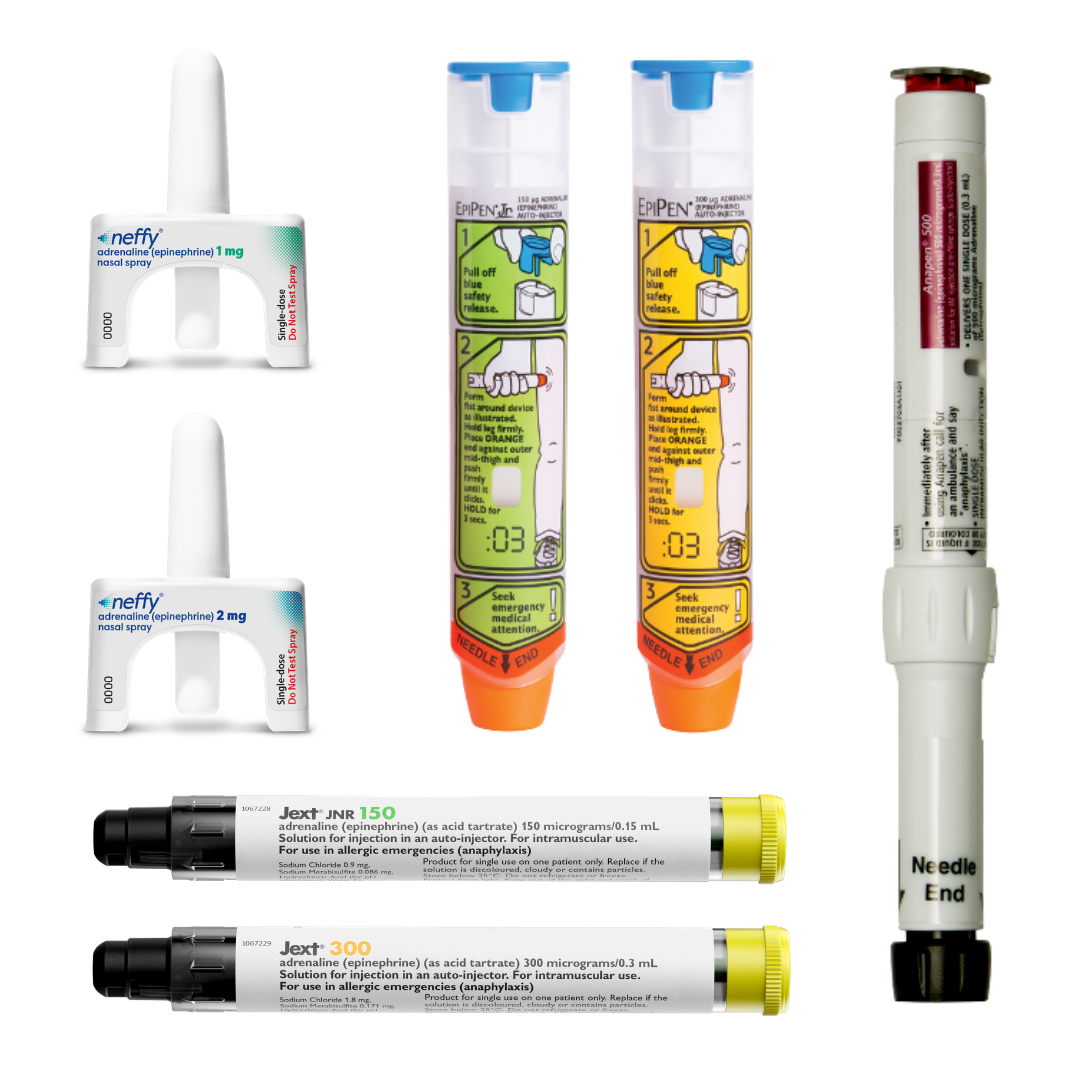
Adrenaline Hub
Our Adrenaline Hub is packed with how-to videos, answers to your frequently asked questions, an adrenaline device comparison table, plus real stories of firsthand anaphylaxis experiences.
How adrenaline works during anaphylaxis
Dr Paxton Loke – Paediatric Allergist and Immunologist from the Murdoch Children’s Research Institute (MCRI) and Melbourne Allergy Centre and Children’s Specialists Medical Group
ALWAYS give adrenaline device FIRST, and then asthma reliever puffer if someone with known asthma and allergy to food, insects or medication (who may have been exposed to the allergen) has SUDDEN BREATHING DIFFICULTY (including wheeze, persistent cough or hoarse voice) even if there are no skin symptoms.
If it turns out that you were having asthma and not anaphylaxis, giving an adrenaline device is not dangerous for people having asthma and can help as it opens airways making breathing easier.
Hear what Dr Preeti Joshi, Paediatric Clinical Allergy/Immunology Specialist , has to say about asthma and anaphylaxis.
Practice using an adrenaline device
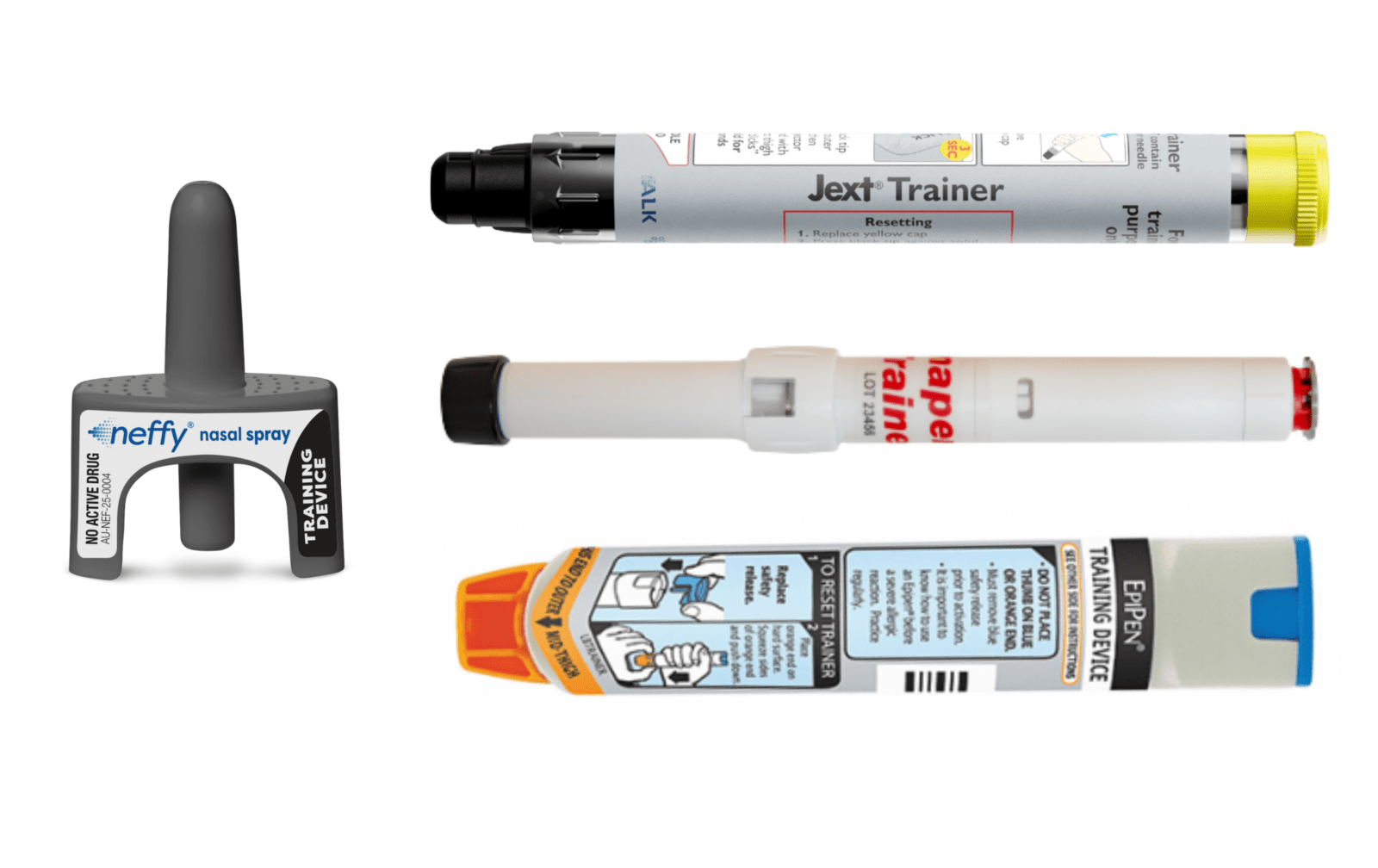
It is important to know how to give an adrenaline device in an emergency. Using a trainer device is a great way to do this. Trainer devices contain no needle or medication and can be reused (unlike actual adrenaline devices used in an emergency which contain only one dose of adrenaline and cannot be reused).
Signs and symptoms of an allergic reaction
Learn about the signs and symptoms of allergic reactions, and the difference between a mild to moderate reaction and a severe reaction (anaphylaxis).
Related information
View All PagesCauses of anaphylaxis
Webinars
View All WebinarsPersonal stories about experiencing anaphylaxis
View All StoriesUnderstanding allergy care
Learn about allergy care, seeing an allergy specialist, the Australian health system, treatment options and more.
Developed as part of the Shared Care for Allergy Project, in collaboration with the National Allergy Council through funding from the Australian Government, Department of Health, Disability and Ageing.