On this page:
What is neffy®?
neffy® is an adrenaline nasal spray device which contains the medication adrenaline (epinephrine).
This adrenaline device contains no needle.
ADRENALINE IS LIFE SAVING medication for someone experiencing a severe allergic reaction (anaphylaxis).
Adrenaline is the first line emergency treatment for anaphylaxis. Adrenaline devices are designed to be used by anyone in an emergency.
Adrenaline is a natural hormone made by our bodies but in anaphylaxis, our body cannot make and release enough adrenaline to reverse the potentially life-threatening allergic reaction. For this reason, we need to give more adrenaline through a device such as neffy®.
neffy® contains one dose of adrenaline.
What doses are available for neffy®?
The dose of neffy® is worked out by weight. The weight guidelines for neffy® are different to those for adrenaline injectors. For the 1mg neffy® dose, there is also an age restriction – the child must be 4 years and over.
Weight guidelines for adrenaline devices can also be found on the bottom of ASCIA Action Plans.
neffy® 1mg
Weight range 15kg to less than 30kg. Must be age 4 years and over.
neffy® 2mg
Weight range 30kg and over.

There were no children under the age of 4 years included in the neffy® registration studies so neffy® is not approved for use in this age group.
How is neffy® packaged?
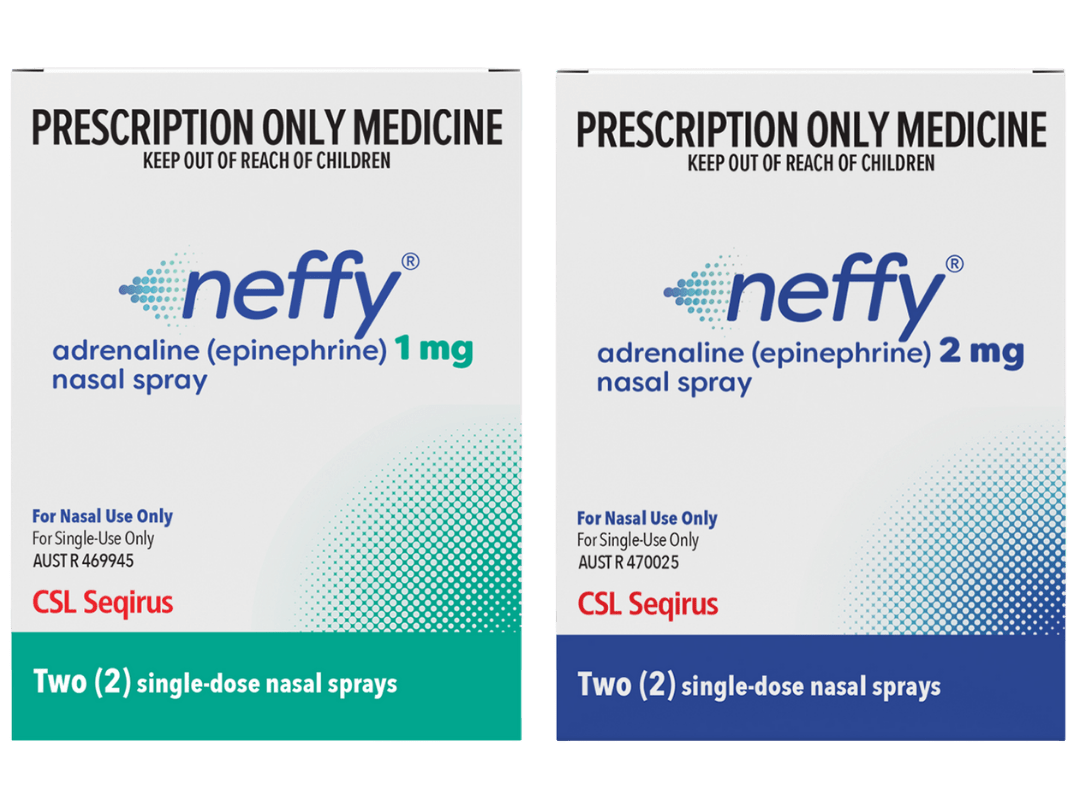
neffy® comes in a cardboard box (green colouring on box for 1mg and blue colouring on box for 2mg).
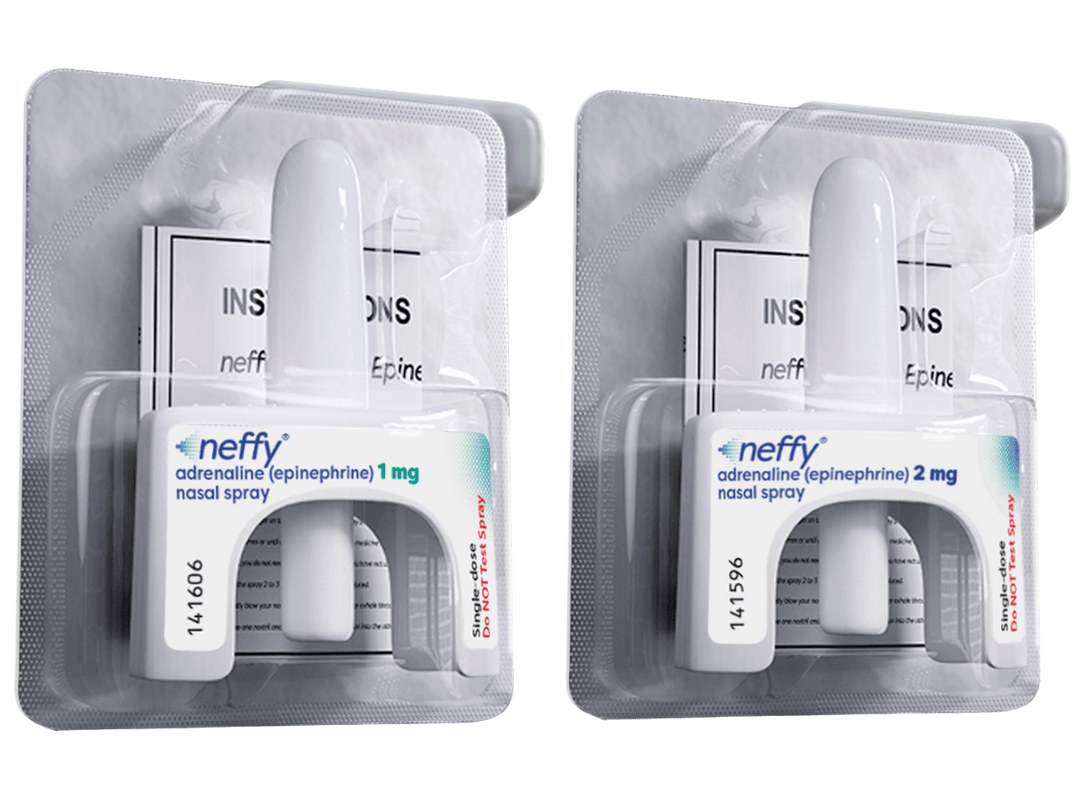
Each cardboard box contains 2 neffy® devices, each in their own blister pack with instructions on how to use neffy®. If you only buy one neffy® then the pharmacist will remove one neffy® from the box before selling it to you.
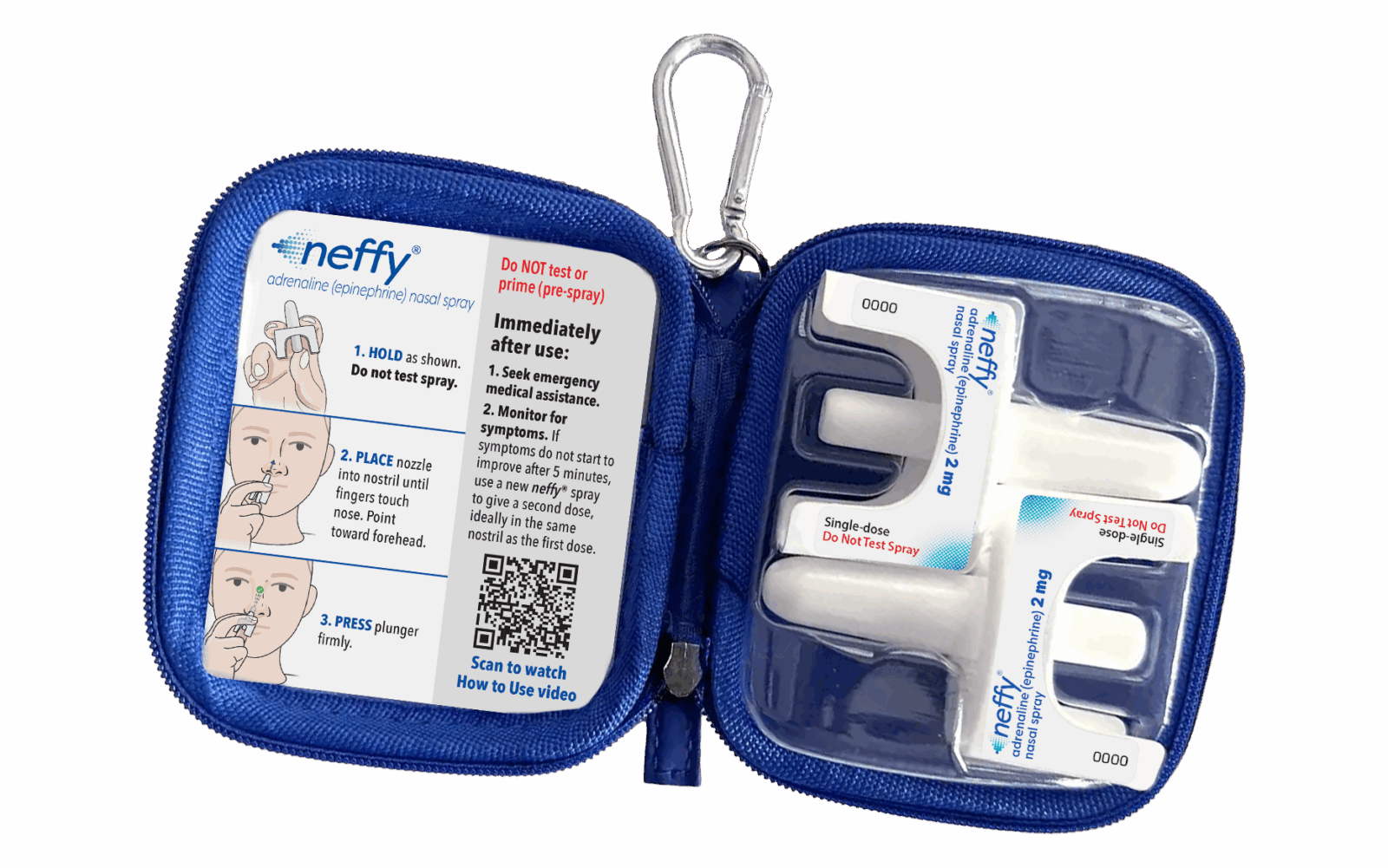
A neffy® carry case can be purchased from the pharmacy at an extra cost.
To fit 2 neffy® devices in the carry case, each neffy® must be removed from the blister pack. There are also instructions on how to use neffy® inside the carry case.
What does neffy® look like?
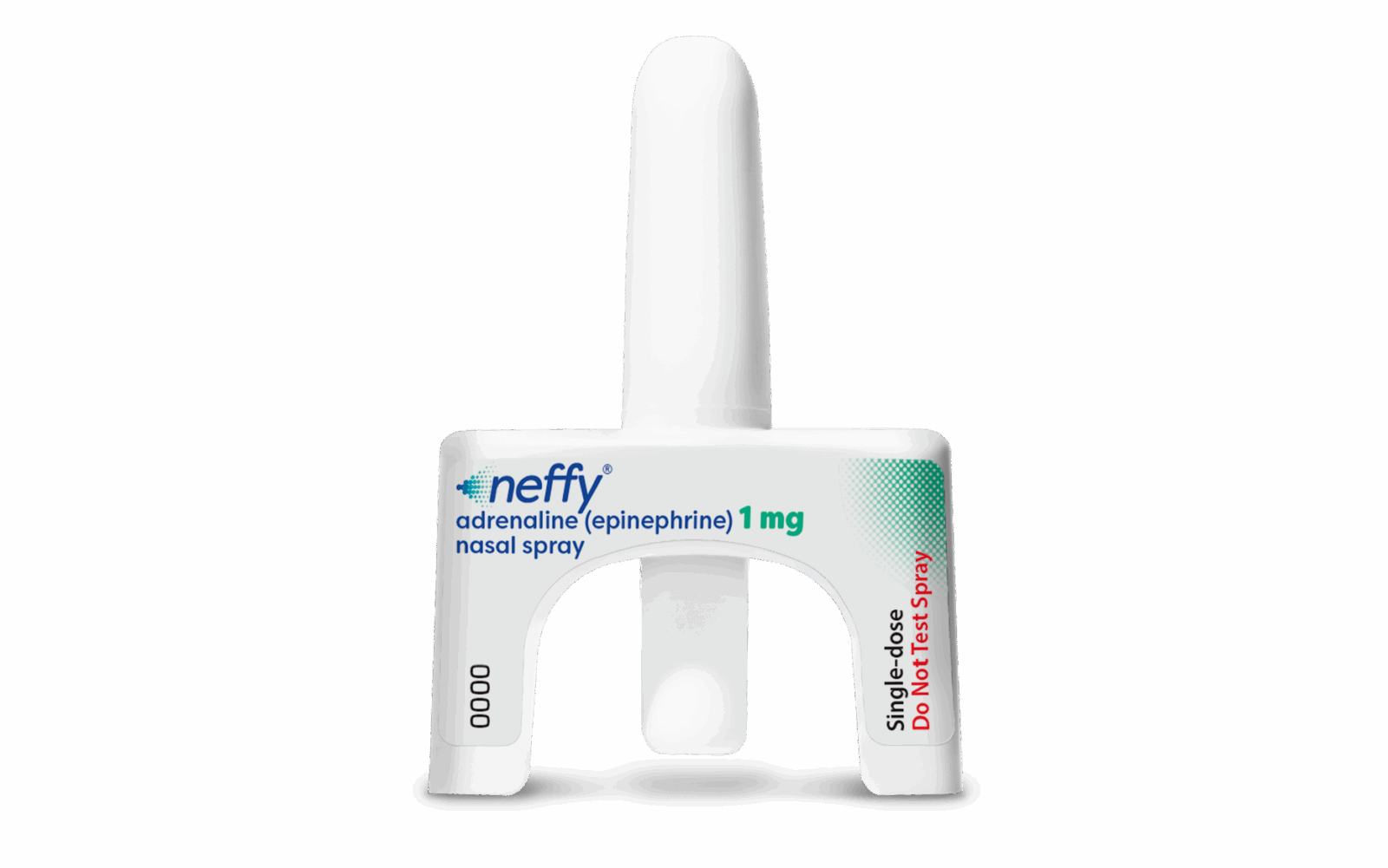
On neffy® you will see
- The label on neffy® has 1mg written in green or 2mg written in blue.
- An expiry date
- A batch number
- Unlike adrenaline injectors, there is no viewing window to check if the solution inside is still clear
- After neffy® has been used, the plunger is pushed up
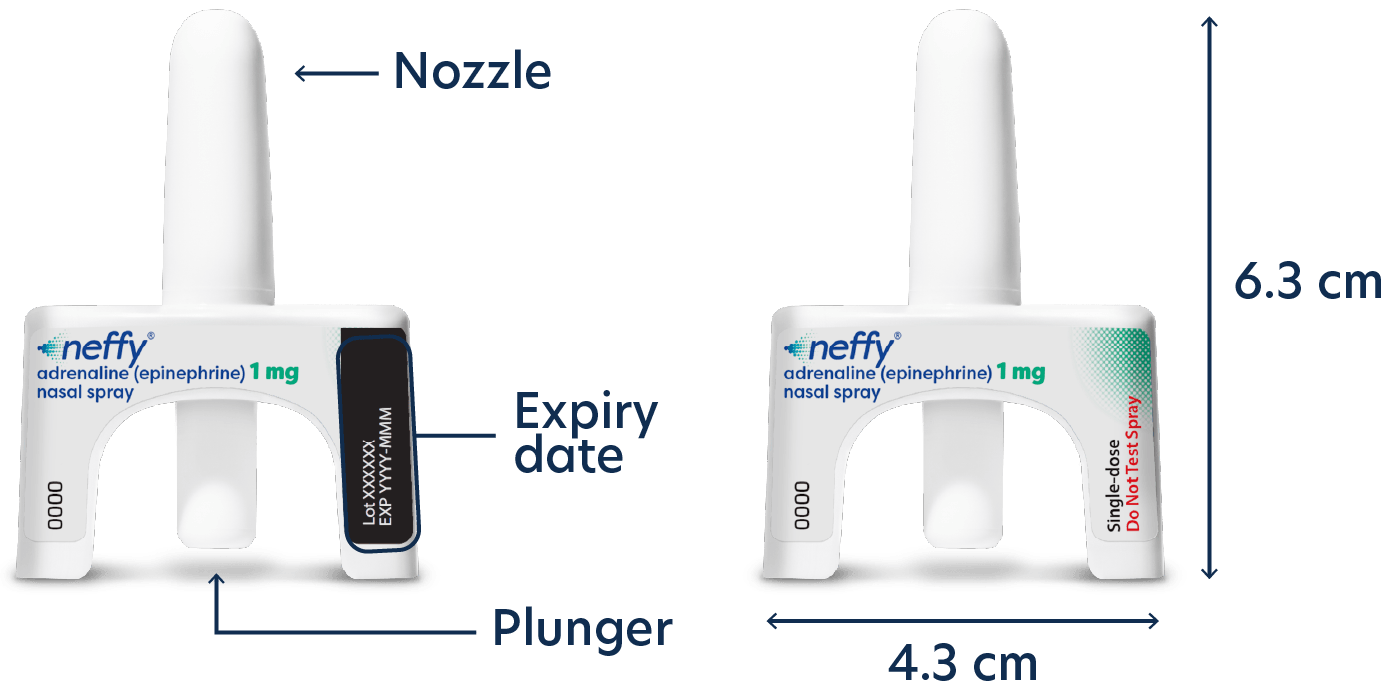
1mg neffy® before use
(plunger is down)
1mg neffy® when being given
1mg neffy® after use
(plunger has been pushed up)
How to give neffy®
Instructions on how to give neffy® can be found
- on the box
- on the peel off tab of the blister pack that neffy® comes in
- in the neffy® carry case
- via QR code on ASCIA Action Plans or the ASCIA First Aid Plan for Anaphylaxis which takes you to the ASCIA website where there are instructions on how to use neffy®
DO NOT test or pre-spray
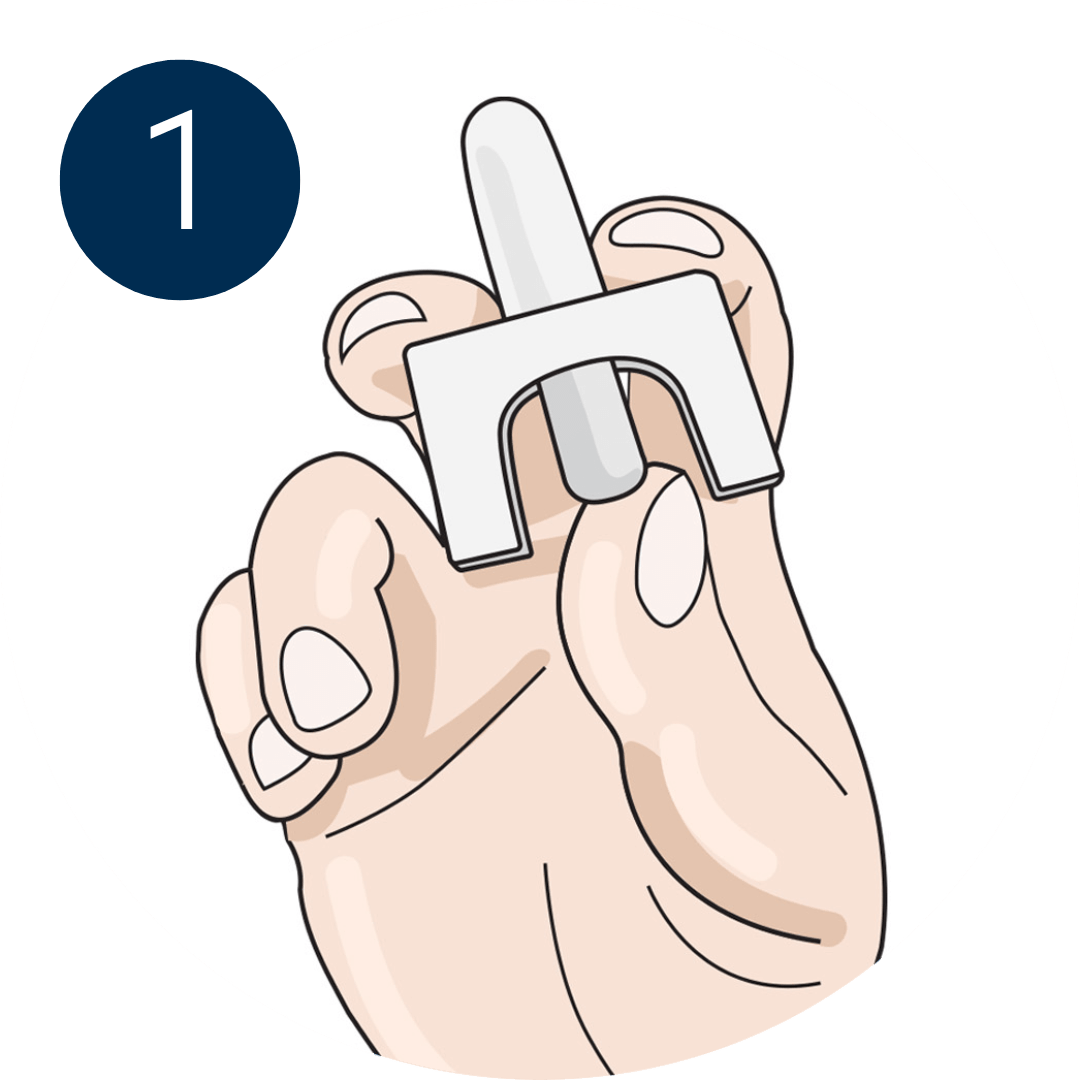
Hold with your thumb on the bottom of the plunger and a finger on either side of the nozzle .
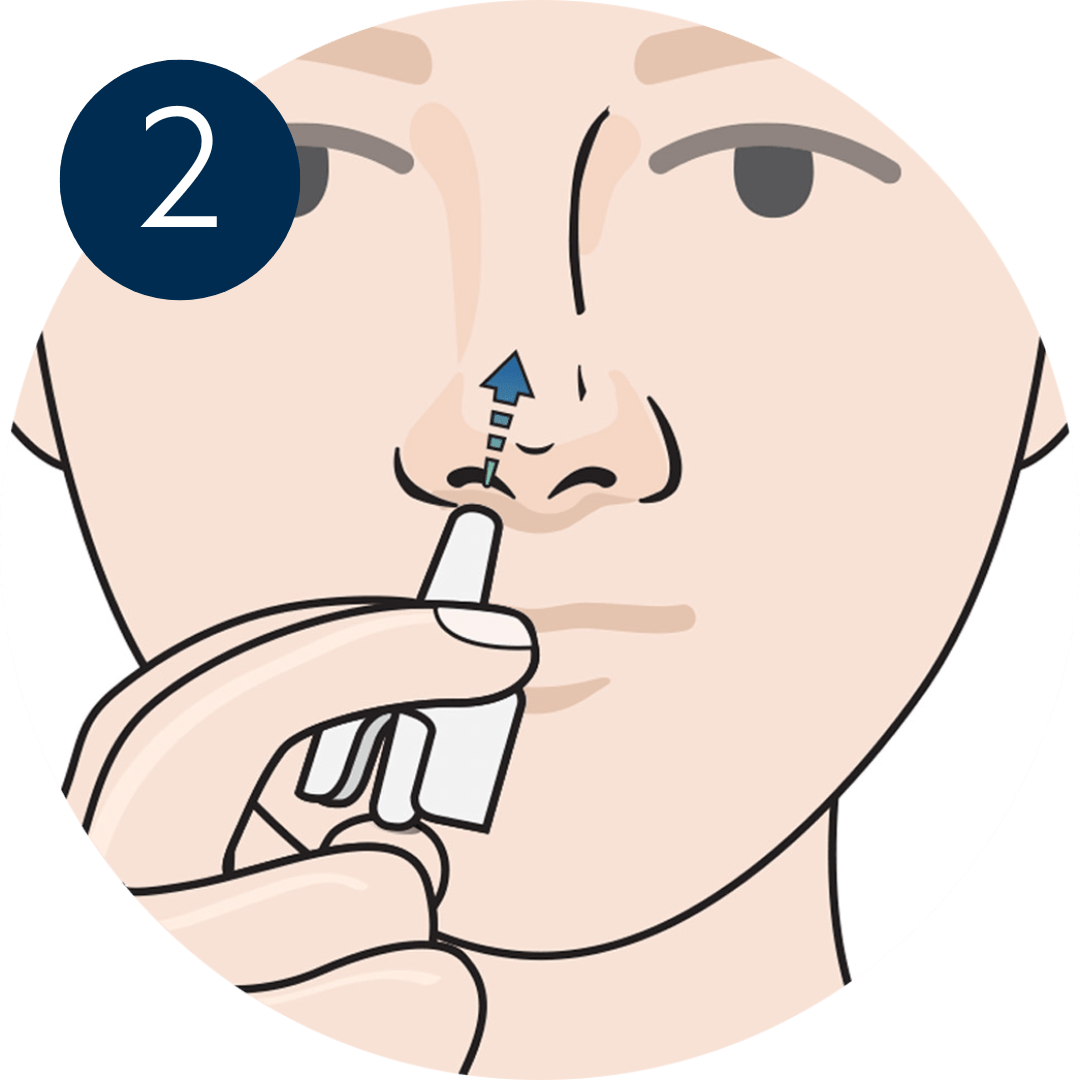
Place nozzle into nostril until fingers touch nose.
For children with smaller noses your fingers may not reach the nose.
Keep nozzle straight in the nose, pointed towards forehead.
Do not angle the nasal spray to the side or middle walls inside the nose.
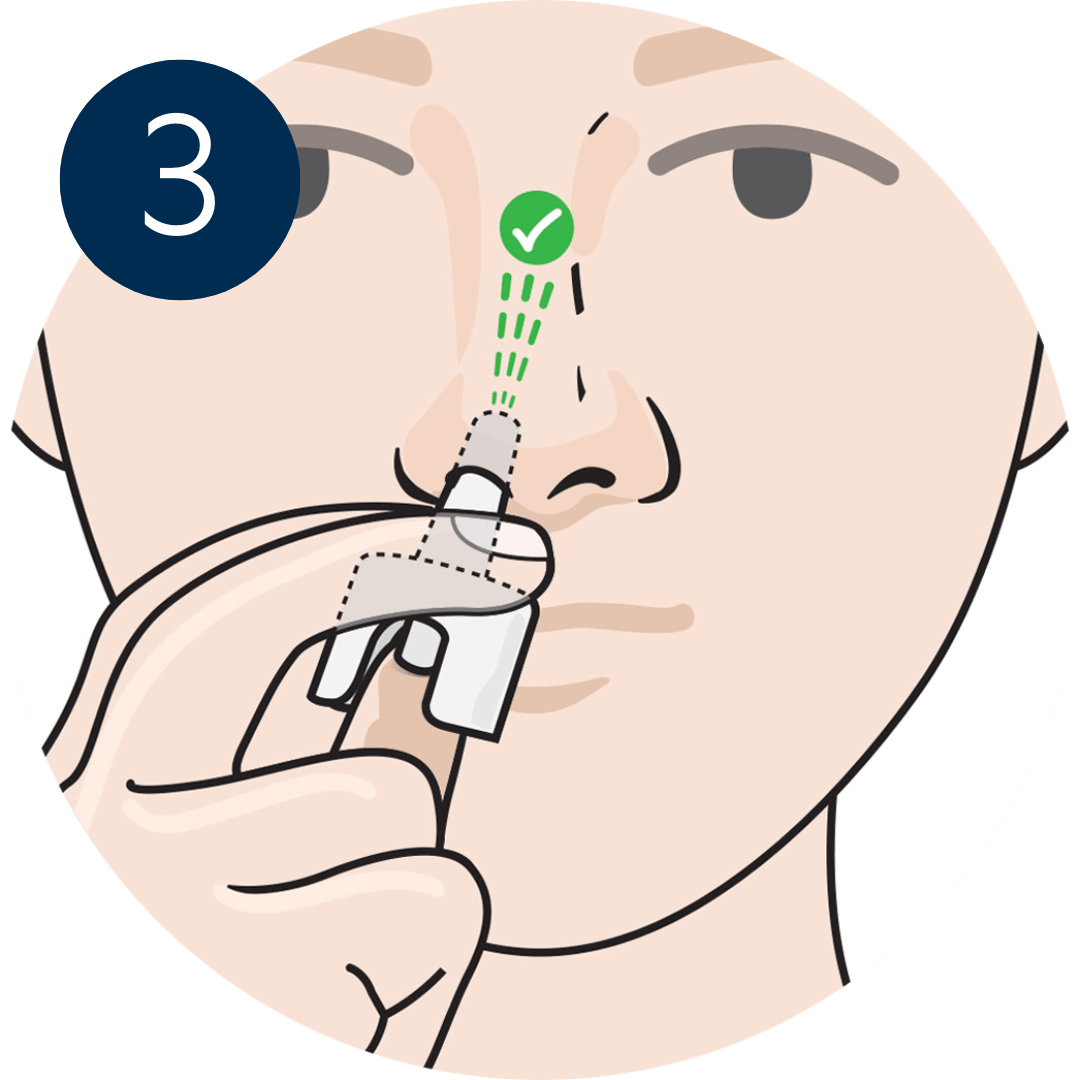
Press HARD on the plunger. It will click and stay up which means neffy® spray has been given.
After pressing hard on plunger, remove neffy® from nose (there is no need to hold it in place after the dose is given).
There is no need to sniff or breathe in.
How to give neffy®
Remember: Place neffy® in the nose, press and up it goes
For more videos about anaphylaxis management, visit our resources page.
How to store neffy®
neffy® should be stored:
At room temperature below 25 degrees.
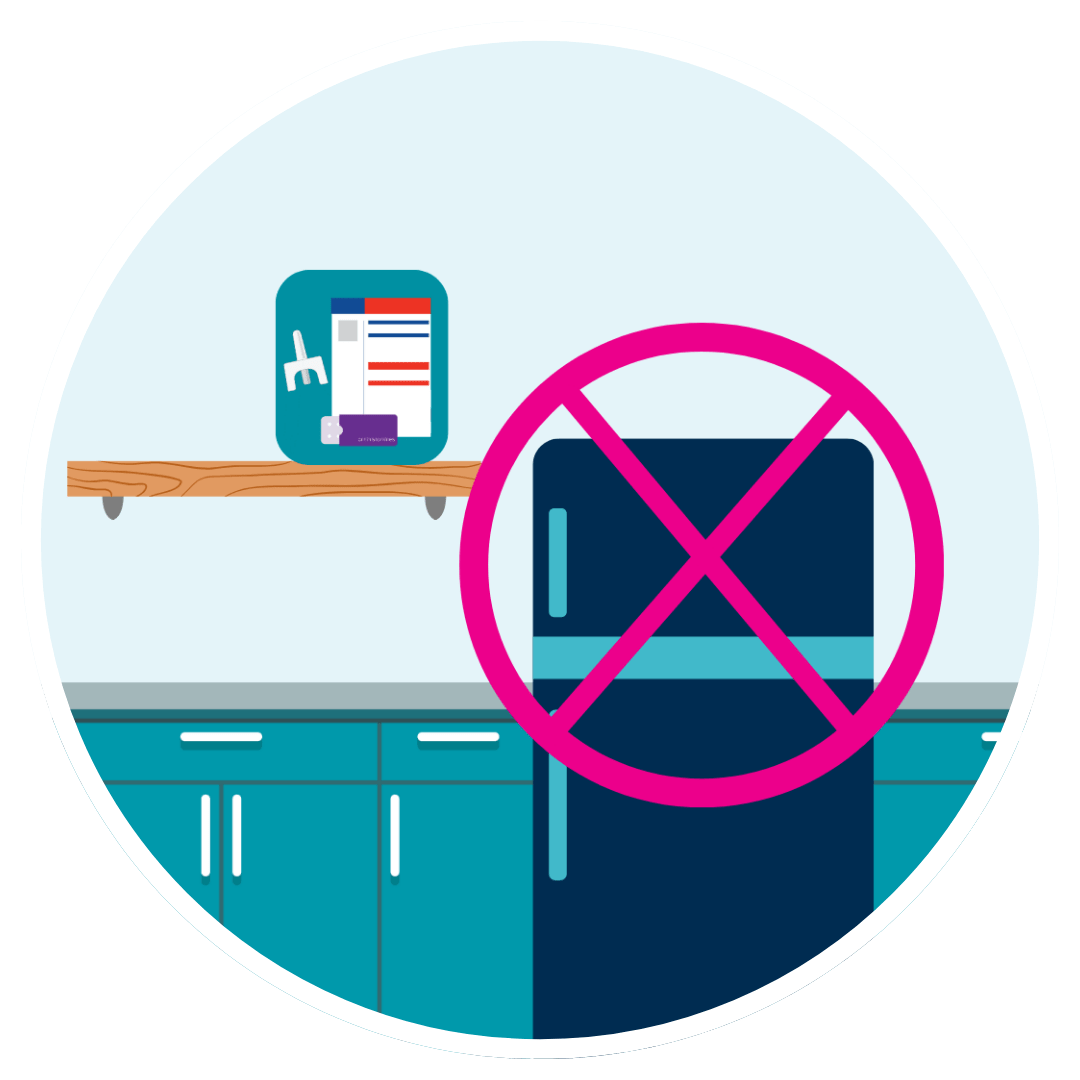
Do not store in the fridge as there’s a risk it may accidently freeze. If frozen, the device will not spray. Allow neffy® to thaw (defrost) for at least one hour at room temperature. It should not be used if the contents are still frozen or not completely thawed.
If someone is experiencing anaphylaxis and neffy® is frozen, use another adrenaline device if available. Do not wait for neffy® to thaw before treating anaphylaxis.
Freezing does not affect its shelf life.
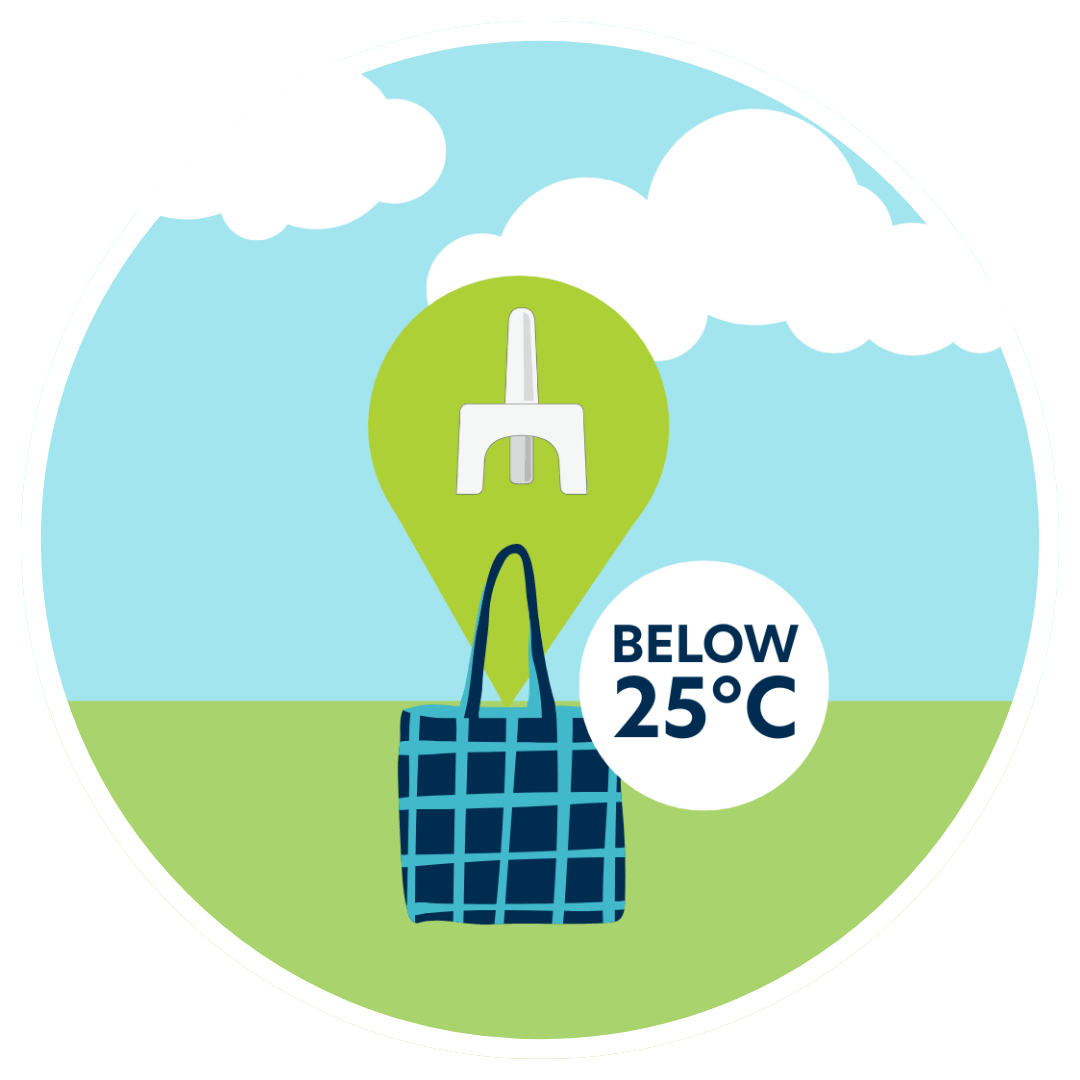
There are no special requirements to protect neffy® from direct sunlight. However, care should be taken to store neffy® where the temperature stays below 25° C.
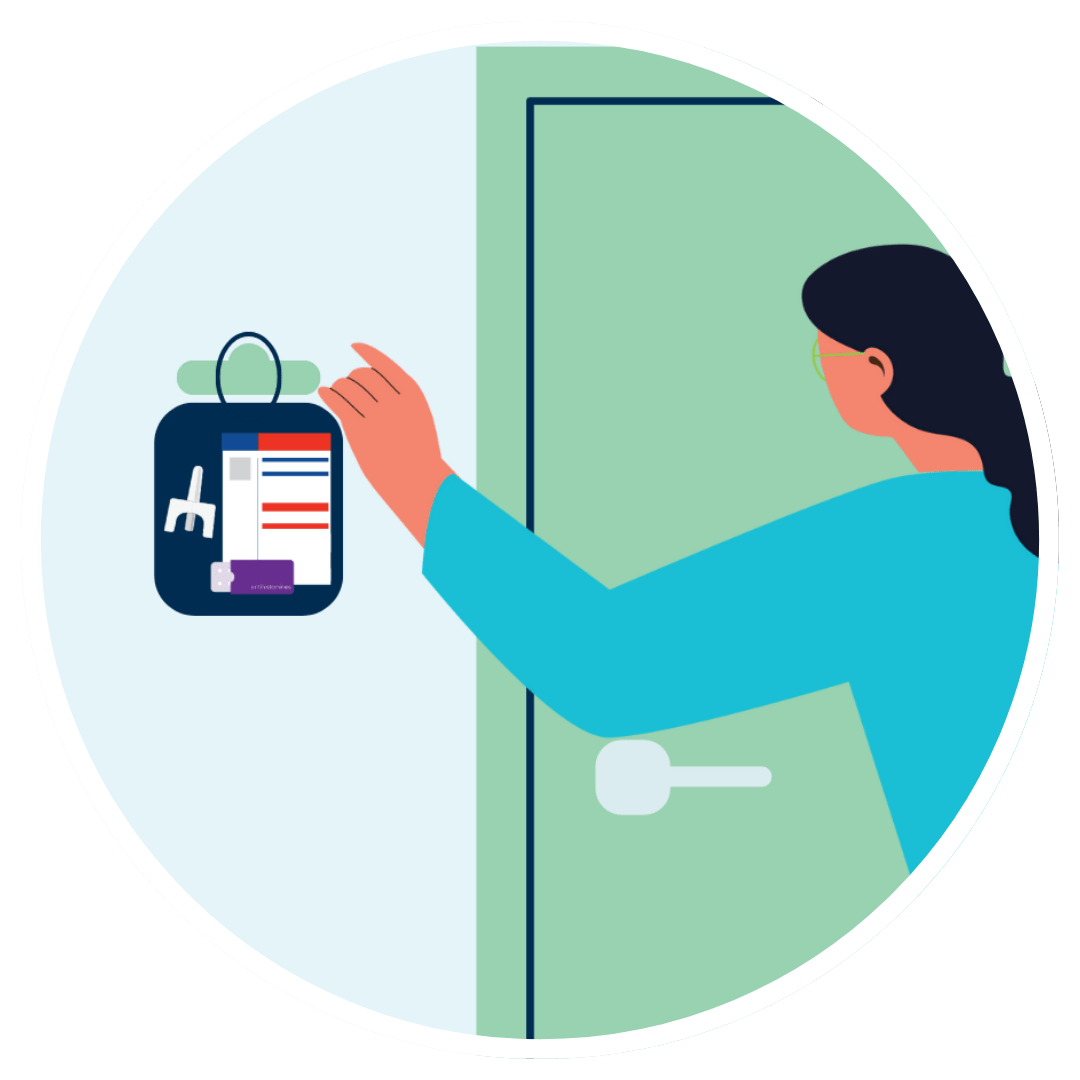
In an unlocked, easy to get to place (out of reach of small children).
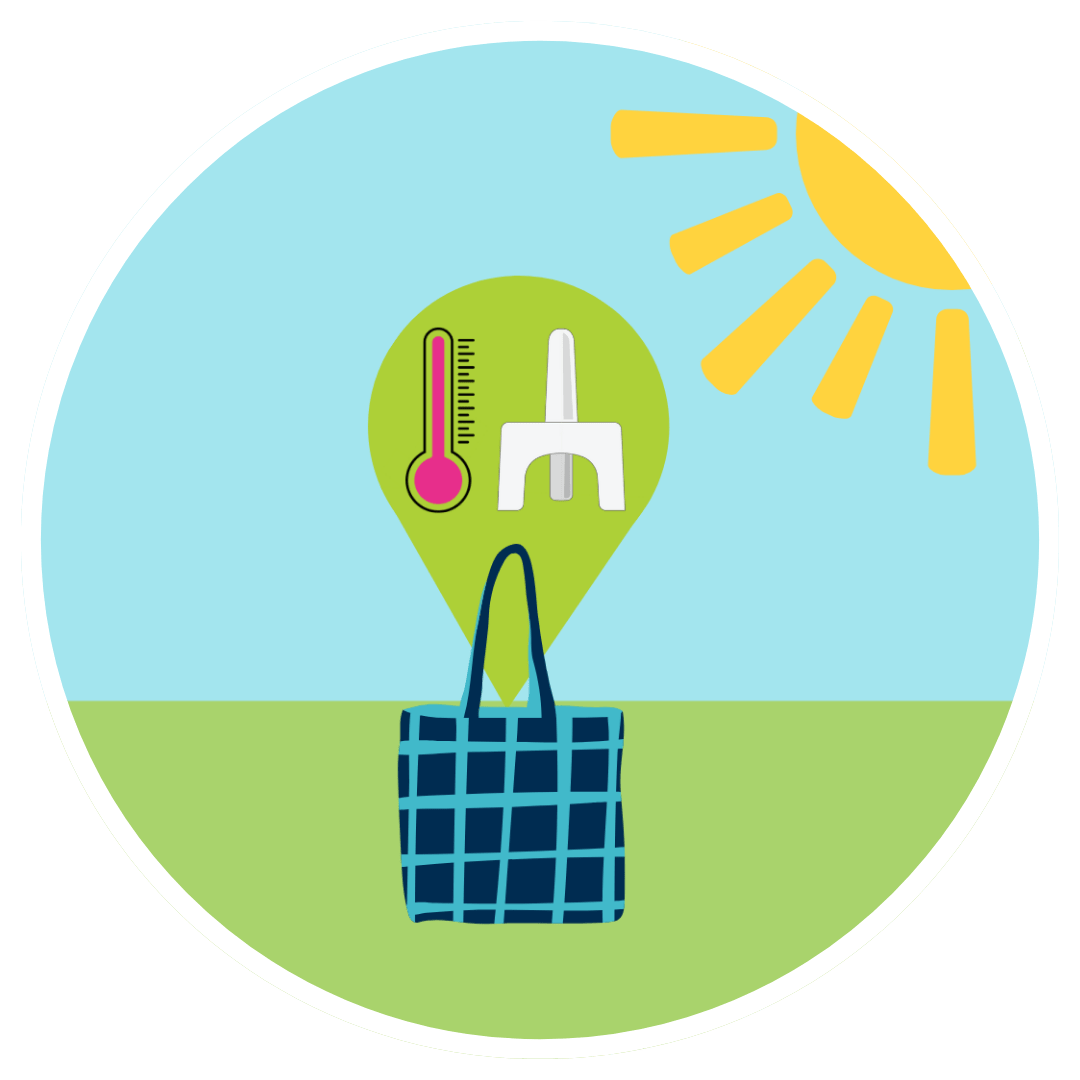
If neffy® is accidentally exposed to temperatures up to 50°C for a short time, it can still be used.
Please contact CSL Medical Information 1800 642 865 for further information.
neffy® expiry dates
From when it is made overseas, neffy® usually expires after:
- 24 months for 1 mg dose
- 30 months for 2 mg dose
The expiry date can be found on the neffy® box, on the neffy® blister pack and on the neffy® device.

Expired neffy® devices do not work as well as in-date devices and should not be relied upon to treat anaphylaxis. However, an expired neffy® should still be given if it is the only adrenaline device available.

Make a note of when your neffy® devices are due to expire and book an appointment for a new prescription with your health professional.
If you use your neffy® make sure you replace it as soon as possible.
neffy® trainer devices
It is important to know how to give neffy® in an emergency. Using a neffy® trainer is a great way to do this. The trainer contains no medication and can be reused (unlike the actual neffy® used in an emergency which contains only one dose of adrenaline and cannot be reused).
If your child is at risk of anaphylaxis, practising with them could help you think about how you may need to hold them if you had to give neffy® in an emergency. It may also help the child understand what would happen if they had anaphylaxis.
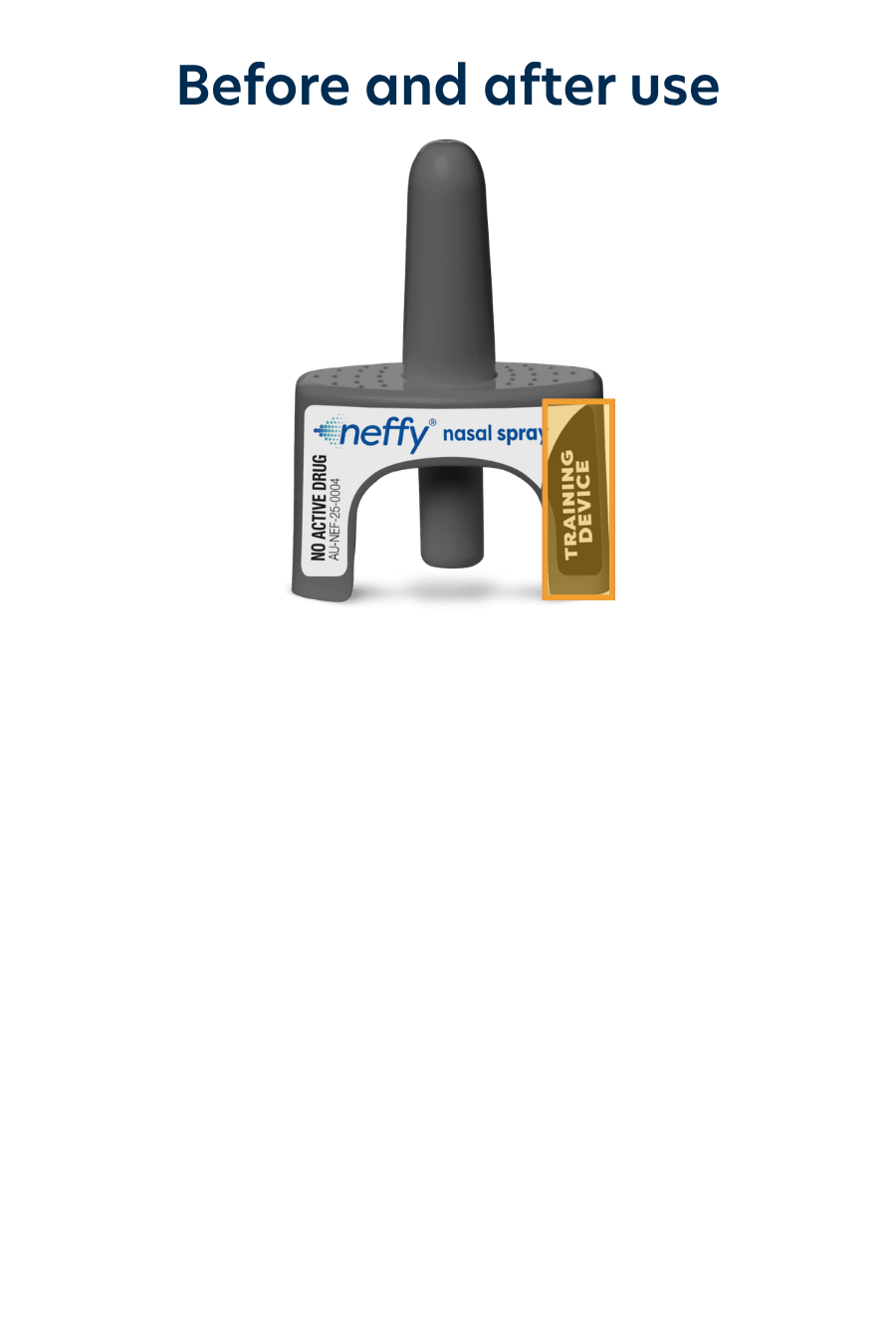
It is important to store the trainer away from the real neffy®. The neffy® trainer device is dark grey. The real neffy® device which contains adrenaline is white.
You can mark the trainer with tape or a sticker to highlight that it is not the real neffy® containing adrenaline.
It is very easy to press the plunger on the neffy® trainer. This is different to the real neffy® where the plunger must be pressed HARD.
The plunger on the real device stays up once it has been pressed and the dose has been given, however with the neffy® trainer the plunger does not stay up.
To avoid spreading infection from nose to nose when using the neffy® trainer, you should put the neffy® trainer on the outside of the nose instead of inserting it in the nose. Make sure you still point the neffy® trainer in the correct direction.
Remember the real neffy® must be inserted into the nose before use.
If you are a first aid trainer and have a manikin with nostrils available, you can practise using neffy® by placing the neffy® trainer in the manikin’s nose.
If the neffy® trainer has been put in a person’s nose, it must be cleaned before putting it in another person’s nose to reduce the chance of spreading infection. It should be wiped with 70% isopropyl alcohol. Allow the alcohol to dry before putting the neffy® trainer in the nose to avoid irritation.
Frequently asked questions (FAQ)
Allergy & Anaphylaxis Australia answers common questions about neffy®, an adrenaline nasal spray device.
neffy® device
-
When the plunger is pressed to give the neffy® dose, a click is heard. The plunger, once pressed hard, will shorten and stay in place. This makes it easy to see the adrenaline has been given.
-
1mg for children aged 4 years and over weighing 15kg to less than 30kg.

2mg for children and adults weighing 30kg and over
-
No. There were no children under the age of 4 years included in the neffy® registration studies and neffy® is not approved for use in children aged less than 4 years in Australia.
-

6.3cm x 4.3cm x 2.2cm.
-
No, neffy® does not have a window to check medication.
Adrenaline injector devices have a clear window so you can check the liquid inside for cloudiness.
-
Check the expiry date on neffy® before use.
neffy® 1mg expires 24 months after it is made overseas.
neffy® 2mg expires 30 months after it is made overseas.
-
Each neffy® contains 0.1ml of liquid. The dose will be sprayed into the nose once the plunger is pressed hard.
-
The plunger must be pressed hard to give neffy®, so it is unlikely neffy® can be accidentally sprayed.
DO NOT TEST or pre-spray as each neffy® only contains one dose of adrenaline.
Each neffy® comes in an individual blister pack. Keep neffy® in the blister pack or a neffy® carry case until use.
-
neffy® should be stored at room temperature below 25 degrees Celsius.
Do not store in the fridge as there’s a risk it may accidently freeze. If frozen, the device will not spray. Allow neffy® to thaw (defrost) for at least one hour at room temperature. It should not be used if the contents are still frozen or not completely thawed.
If someone is experiencing anaphylaxis and neffy® is frozen, use another adrenaline device if available. Do not wait for neffy® to thaw before treating anaphylaxis.
Freezing does not affect its shelf life.
neffy® can be exposed to temperatures up to 50 degrees Celsius for short periods. Please contact CSL Medical Information 1800 642 865 for further information.
-
Yes – see product information.
-
No, people do not need to blow their nose or sniff to have the neffy® nose spray.
-
Yes. Follow the instructions on your ASCIA Action Plan for Anaphylaxis or First Aid Plan for Anaphylaxis
LAY PERSON FLAT – do NOT allow them to stand or walk
If unconscious or pregnant, place in recovery position – on left side if pregnant.
If breathing is difficult allow them to sit with legs outstretched.
Hold young children flat, not upright.
-
Each neffy® device contains only one dose of adrenaline and is ready to use when it is removed from packaging.
Do not test spray or press the plunger unless the nozzle of the neffy® device is in the nose as the dose will be used.
-
Yes, you should call triple zero (000) for an ambulance and go to hospital for further treatment and observation for 4 hours from the time of your last dose of adrenaline. Follow your ASCIA Action Plan for Anaphylaxis until the ambulance arrives.
-
- Unused, expired neffy® should be taken to a pharmacy for safe disposal. Do not put it in the rubbish bin as it contains adrenaline
- Used neffy® should be given to the ambulance or hospital staff so they can record the dose given. It can then be put in the rubbish bin. Do not recycle.
-
People should travel with an ASCIA Action Plan for Anaphylaxis and ASCIA Travel Plan completed and signed by their doctor/nurse practitioner. Our Food Allergy Travel Hub has further information about travel with food allergy.
neffy® cost, availability and trainer devices
-
No. At present, both 1mg and 2mg neffy® are not available over the counter without a prescription.
-
The recommended retail price (RRP) of one box of neffy® 1mg or 2mg containing two nasal sprays is $194. RRP is a guide only and pharmacies may charge more, so you may choose to compare prices between pharmacies. If you only want to buy ONE neffy®, hopefully the pharmacist will sell you one device out of the box of 2, with a RRP of $97.
-
We anticipate that neffy® will be available OTC but there is no timeframe for this yet.
-
neffy® became available on PBS prescription on 1st July 2026.
-
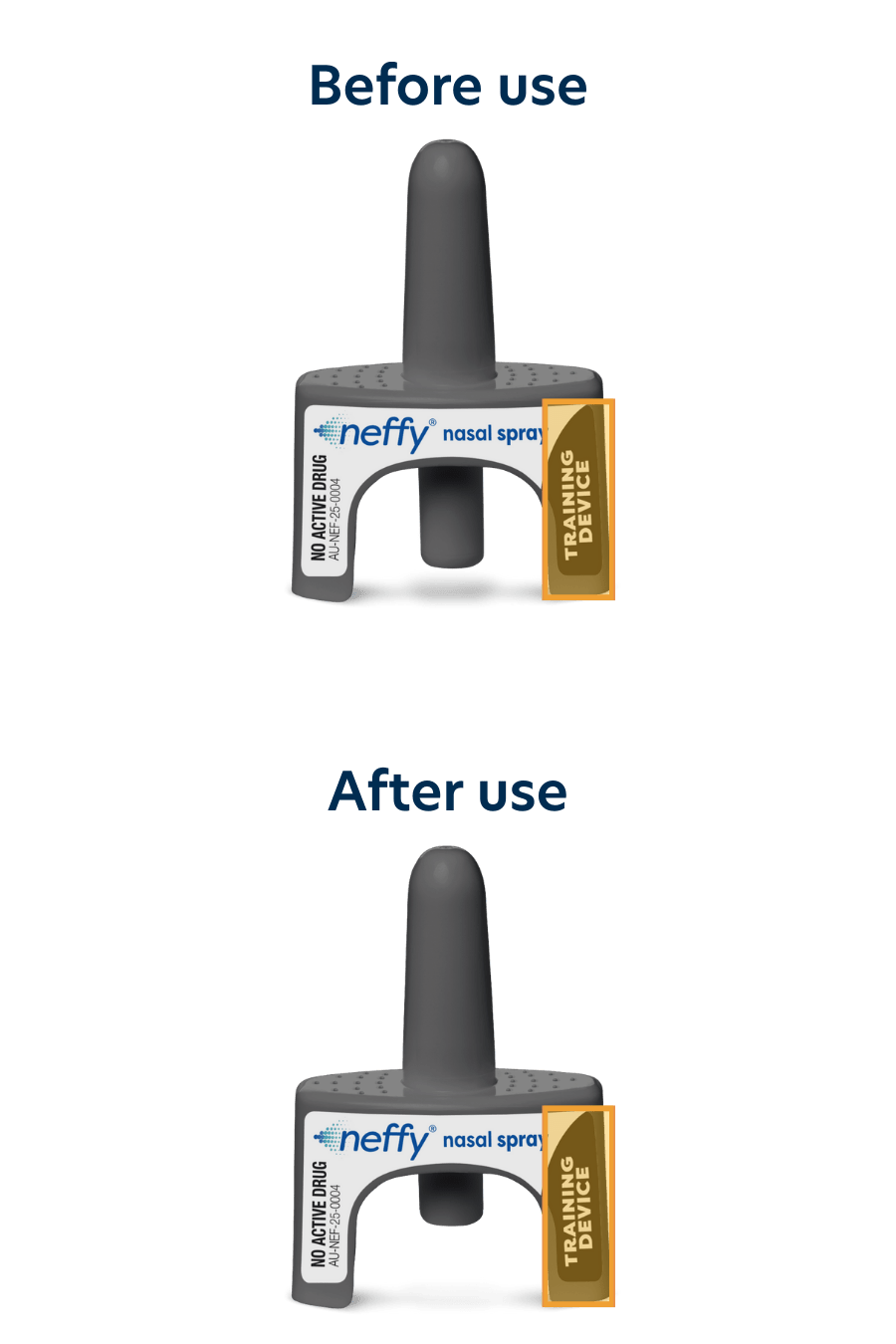
neffy® trainers contain no medication and are used for practise/training.
They can be reused (unlike the actual neffy® used in an emergency which contains only one dose of adrenaline and cannot be reused).
Trainers are dark grey compared to neffy® adrenaline devices which are white.
It is very easy to press the plunger on the neffy® trainer. This is different to the real neffy® where the plunger must be pressed HARD.
-
They can be purchased from Allergy & Anaphylaxis Australia.
-
The neffy® trainer must be cleaned if it has been put in a person’s nose. This will reduce the chance of spreading infection. It should be wiped with 70% isopropyl alcohol. Allow the alcohol to dry before putting the neffy® trainer in the nose to avoid irritation.
If you are concerned about spreading infection from nose to nose when using the neffy® trainer, you may choose to put the neffy® trainer on the outside of the nose instead. Make sure you still point the neffy® trainer in the correct direction. Remember when using the real neffy® it must be inserted into the nose.
neffy® safety and efficacy
-
neffy® is TGA (Therapeutic Goods Administration) registered in Australia. The TGA assesses medications for safety and effectiveness. In research studies neffy® has been shown to work in treating anaphylaxis
-
USA – August 2024.
Europe (called EURneffy) – August 2024.
UK (called EURneffy) – July 2025.
Japan – September 2025.
-
neffy® contains Intravail® (dodecyl-maltoside) which opens cells in areas such as the nose to increase the absorption of medication, including adrenaline. This ingredient is a safe food additive (sugar based not protein based) that helps adrenaline get into the body quickly.
Intravail® has been used for years in other nasal spray medications, some of which are used to treat other medical emergencies.
-
It is recommended to give a second dose of neffy® in the same nostril as the first dose. This is because the adrenaline is absorbed quicker due to the first dose containing Intravail®, which opens cells in the nose. However, if the second dose is given in the other nostril, neffy® will still be absorbed.
-
Research trials only included giving one or two doses of neffy®. As per the ASCIA Action Plan for Anaphylaxis, immediately after the first dose of neffy® an ambulance should be called. If symptoms do not start to improve after 5 minutes, another dose of neffy® (or another adrenaline device) can be given while waiting for an ambulance. Continue to follow your ASCIA Action Plan and take the advice of emergency services.
-
Yes. If there is no response after 5 minutes, further adrenaline should be given. This adrenaline can be via nasal spray device or injector device.
-
Yes, patients with a cold, runny or blocked nose can use neffy®. Research trials for neffy® included people with allergic rhinitis and upper respiratory tract infections (such as a virus or a cold).
-
Adrenaline should be used if a pregnant person is experiencing anaphylaxis. Their prescribed device or an available device should be given following instructions on the ASCIA Action Plan for Anaphylaxis or ASCIA First Aid Plan for Anaphylaxis.
-
neffy® can be given if someone is unconscious or is having trouble breathing because the medicine is absorbed through the lining of the nose and not breathed in to the lungs.
-
The research trials for neffy® did not include people with nasal conditions like polyps or a deviated septum (middle of inside of nose). These issues are not expected to affect how well the adrenaline is absorbed. Patients with these conditions should speak with their doctor for more information.
-
Research trials for neffy® did not include people with piercings in their nose. If someone has bulky nose piercings that stop a nasal spray from going into the nose neffy® will not work properly. Please contact CSL Medical Information 1800 642 865 for further information.
Note: In an emergency, if neffy® is the only device available and the piercing which blocks the nostrils can be removed quickly, remove it and then give neffy®.
-
The most common side effects reported in research trials were mild and included nose discomfort/pain, runny nose, headache, a fast heartbeat, and feeling shaky. Headache, fast heartbeat and feeling shaky are common after any dose of adrenaline.
-
No, neffy® does not affect your sense of smell.
-
This is a discussion for the patient to have with their treating doctor.
-
CSL Seqirus does not recommend using neffy® after its expiry date. However, ASCIA recommends that using an expired adrenaline device is better than using no adrenaline device at all.
neffy® in schools and childcare
-
No, the school cannot refuse, however it may take time for staff to complete anaphylaxis training that includes how to use neffy®.
-
Most children in childcare will not fit the age and weight limits for neffy® (1mg: for children 4 years and over who weigh 15kg to less than 30kg). However, if the child is prescribed neffy®, the childcare cannot refuse to have the device. It may take time for staff to complete anaphylaxis training that includes how to use neffy®.
-
No, OSHC cannot refuse, however it may take time for staff to complete anaphylaxis training that includes how to use neffy®.
-
Currently neffy® is not available over the counter, so schools and children’s services cannot purchase it as their general use adrenaline device. Once neffy® is available over the counter, schools and children’s services will have to follow the advice in their state or territory.
neffy® questions
-
If you would like to contact the National Allergy Helpline for advice or support from an Allergy Educator:
Call: 1300 728 000 or contact us online.
If you would like to contact the company who distributes neffy® in Australia:
CSL Seqirus Customer Service (for supply questions and product complaints)
- 1800 008 275
- [email protected]
CSL Seqirus Medical Information (for medical enquires and to report adverse events)
- 1800 642 865
- [email protected]
Using an adrenaline device FAQ
Allergy & Anaphylaxis Australia answers common questions about using an adrenaline (epinephrine) device.
Buying an adrenaline device FAQ
Allergy & Anaphylaxis Australia answers common questions about buying an adrenaline (epinephrine) device.
Learn more about adrenaline and adrenaline devices
Adrenaline Hub
Learn about how adrenaline works and how to store and use adrenaline devices like Anapen® and EpiPen®.
Anapen®
Learn about Anapen®, how adrenaline works, how to use Anapen® and more.
EpiPen®
Learn about EpiPen®, how adrenaline works, how to use EpiPen® and more.
Jext®
Learn about Jext®, how adrenaline works, how to use Jext® and more.
Preparing for an emergency
Learn more about preparing for a severe allergic reaction (anaphylaxis) and what to expect if you or a loved one experiences anaphylaxis.